Discover the Trend: Why Many Americans Are Opting for New iPhones
Ever wondered why many Americans are trading in old iPhones? Discover the enticing journey from swapping an outdated iPhone to experiencing the latest technology. While the benefits vary, exploring these tradeins can unlock unexpected value.
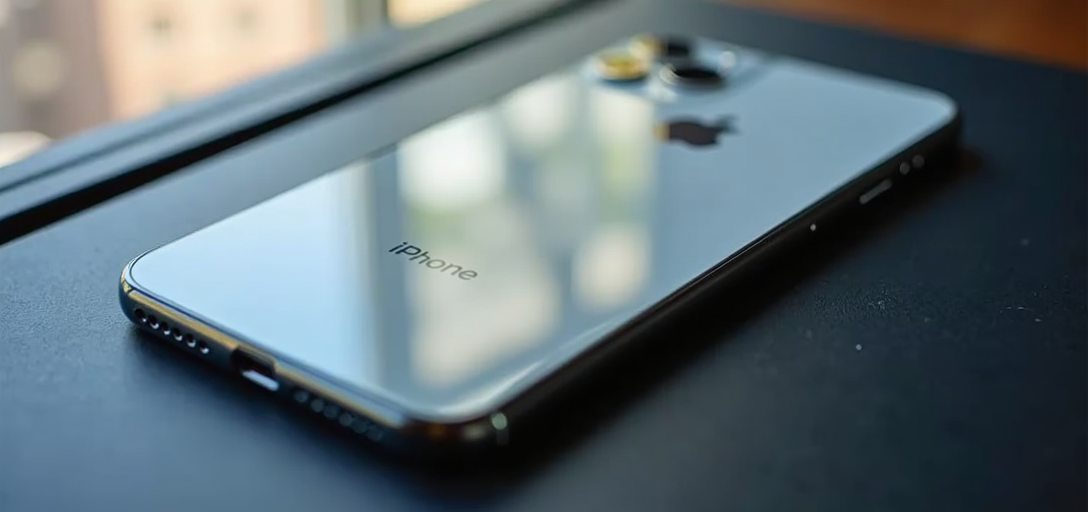
Understanding the Trend: Why Many Americans Are Trading In Old iPhones
In recent years, a growing number of Americans have opted to trade in their old iPhones. While some are driven by the desire for the latest features, others are motivated by financial incentives or environmental concerns. This article delves into the reasons behind this trend, the process involved in trading in an iPhone, and the broader implications for consumers and the smartphone market.
The Appeal of Upgrading: New Features and Specifications
The allure of the latest technology is a significant factor in why many Americans are choosing to trade in their old iPhones. Apple continues to push the envelope with each new release, introducing advanced camera systems, enhanced processing power, and improved battery life. For instance, the iPhone 15 Pro, released in 2026, boasts a revolutionary camera setup and an A18 Bionic chip, which offers a more seamless and efficient user experience.
For tech enthusiasts, these innovations are hard to resist. The new features not only offer improved functionality but also integrate seamlessly with other Apple devices, creating a more cohesive digital ecosystem.
Financial Incentives: Trade-In Programs and Offers
Trading in an old iPhone can significantly reduce the cost of purchasing a new model. Many service providers and retailers offer attractive trade-in programs. For example, Apple’s own trade-in program provides credit that can be applied towards the purchase of a new device. This makes upgrading more financially viable for consumers.
Additionally, carriers like Verizon and AT&T often provide exclusive deals, including the ability to trade in devices for substantial discounts on newer models. These incentives are a driving force for consumers who want to stay ahead of the technological curve without breaking the bank.
Environmental Awareness: Contributing to Sustainability
Another important aspect of the trade-in trend is environmental responsibility. By trading in their old iPhones, consumers are contributing to the reduction of electronic waste. Many of these devices are refurbished and resold, extending their lifecycle and decreasing the demand for raw materials required to produce new phones.
Apple, for instance, has committed to a recycling program that aims to recover valuable materials from old devices. According to their 2026 Environmental Progress Report, Apple has successfully recycled over 2,000 tons of materials through their trade-in program.
The Trade-In Process: What to Expect
For those considering trading in their old iPhone, understanding the process is crucial. The first step typically involves evaluating the phone's condition, including checking for physical damage or screen issues. Websites like Gazelle and Decluttr offer tools to assess and provide quotes on the potential trade-in value.
- Evaluation: Assess the iPhone’s condition for cosmetic and functional issues.
- Backup: Ensure all personal data is backed up using iCloud or iTunes.
- Wipe Data: Factory reset the device to erase all personal information.
- Trade-In: Send the device to the retailer or provider and receive credit or cash.
This straightforward process highlights how accessible and convenient trading in an iPhone has become.
The Broader Implications: Market Dynamics and Consumer Behavior
The increased rate at which American consumers are trading in their iPhones has broader implications for the smartphone market. The trend encourages manufacturers to innovate continuously, as consumers expect newer, more advanced products annually. Additionally, it has influenced the secondary smartphone market, making high-quality devices more accessible to those who opt for refurbished options.
Furthermore, trade-ins contribute to a more circular economy, helping to minimize waste and promote sustainable consumption patterns. As more consumers become environmentally conscious, companies are likely to enhance their sustainability efforts, which will have a lasting impact on both environmental health and corporate responsibility strategies.
Key Takeaways
The decision to trade in an old iPhone is driven by a combination of factors, including the desire for new features, financial savings, and environmental consciousness. As this trend continues, it will not only shape consumer habits but also influence the strategic directions of tech companies and the broader electronics industry.
Additional Resources
For further reading on smartphone trade-ins and consumer technology trends, you may visit the following sources: