Discover the U.S. States with the Highest Nursing Home Care Costs: Is Your State Among Them?
Discover which states have the highest nursing home care costs and find out if your state is listed. Nursing home care can be a significant expense, affecting families nationwide. Explore why prices vary and how this might impact your future planning.
Understanding Nursing Home Care Costs in the United States
When it comes to planning for the future, understanding the potential costs associated with nursing home care is crucial. As of 2026, these costs vary significantly across different states in the U.S., with some states reporting substantially higher rates than others. This article aims to shed light on these variations, helping you plan better for potential expenses based on your location.
Why Do Nursing Home Costs Vary by State?
Several factors contribute to the differences in nursing home care costs across various states. These include:
- Cost of Living: States with a higher cost of living generally have higher nursing home care prices. This includes regions such as New York and California.
- State Regulations: Different states have varying regulations regarding nursing home staffing, services, and quality, which can all influence costs.
- Insurance and Medicaid Reimbursements: The rate at which Medicaid reimburses nursing facilities plays a significant role. States with poor reimbursements tend to have higher out-of-pocket costs for private payers.
Which States Have the Highest Nursing Home Care Costs?
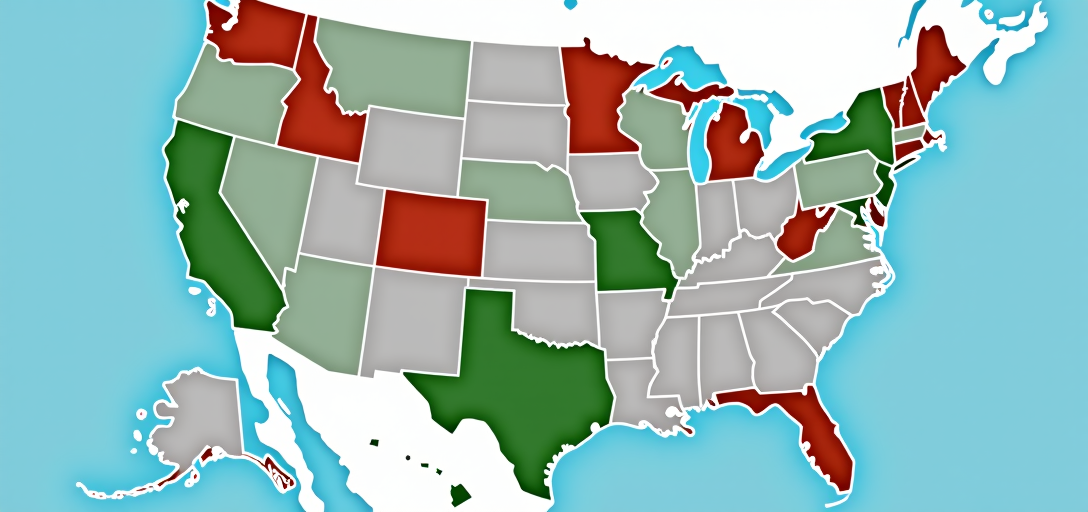
According to the latest data, the states with the most expensive nursing home care costs include:
- Alaska: Consistently at the top, with monthly costs averaging over $30,000 due to its challenging geographical location and high cost of living.
- Connecticut: With costs averaging around $15,600 per month, Connecticut's expenses are driven by high property taxes and living costs.
- New York: Known for its urban areas with high demand and limited space, monthly costs can exceed $14,500.
For more details, you can refer to credible sources such as the Genworth Cost of Care Survey 2026.
How Can You Prepare Financially for these Costs?
Given the high costs, it's important to plan ahead. Here are some strategies to consider:
- Long-term Care Insurance: Consider purchasing long-term care insurance, which can cover a good portion of nursing home expenses, albeit with its own costs and limitations.
- Medicaid Planning: Understanding Medicaid eligibility can potentially provide savings on out-of-pocket expenses. Be sure to consult with professionals who specialize in elder law for guidance.
- Savings and Investments: Investing in a diversified portfolio could offer financial growth, helping to shoulder future nursing home costs.
For more advice, you may find the AARP's Long-term Care Planning Resource invaluable.
The Impact of Inflation on Nursing Home Costs
Inflation is a critical factor affecting the future affordability of nursing home care. Over the last few years, the average cost of care has seen a steady increase of around 3-5% annually. It's essential to consider inflation when planning your finances, as this could dramatically alter the price landscape in the coming decades.
Real-world Implications: A Case Study
Take the example of Rhode Island, a state not typically associated with exorbitant costs. However, due to a sharp rise in the state’s average wages and real estate costs, nursing home care now averages about $12,500 a month. For families like the Johnsons, who moved from a lower-cost Midwestern state, the financial implications were significant, prompting them to seek both Medicaid support and delve into retirement savings.
State Assistance Programs
Fortunately, many states offer programs that assist in covering long-term care costs. For instance, California provides various Medi-Cal programs aimed at supporting elderly citizens in nursing homes. Similarly, Massachusetts offers several assistance options under MassHealth. It’s pivotal to understand and apply for these programs as part of your financial planning.
Evaluating Nursing Home Quality
While cost is a critical aspect, the quality of care should not be overlooked. It’s advisable to use resources like Medicare’s Nursing Home Compare tool to evaluate potential facilities. Factors such as staff-to-patient ratios, facility ratings, and state inspection results can provide essential insights affecting where and how care is administered.