Discover the Ultimate Guide to Choosing the Right Bicycle Gear
Explore the fantastic world of bicycle gear options to enhance your cycling adventures! Dive into our detailed guide where we discuss the latest accessories and upgrades, designed to boost your comfort and performance.
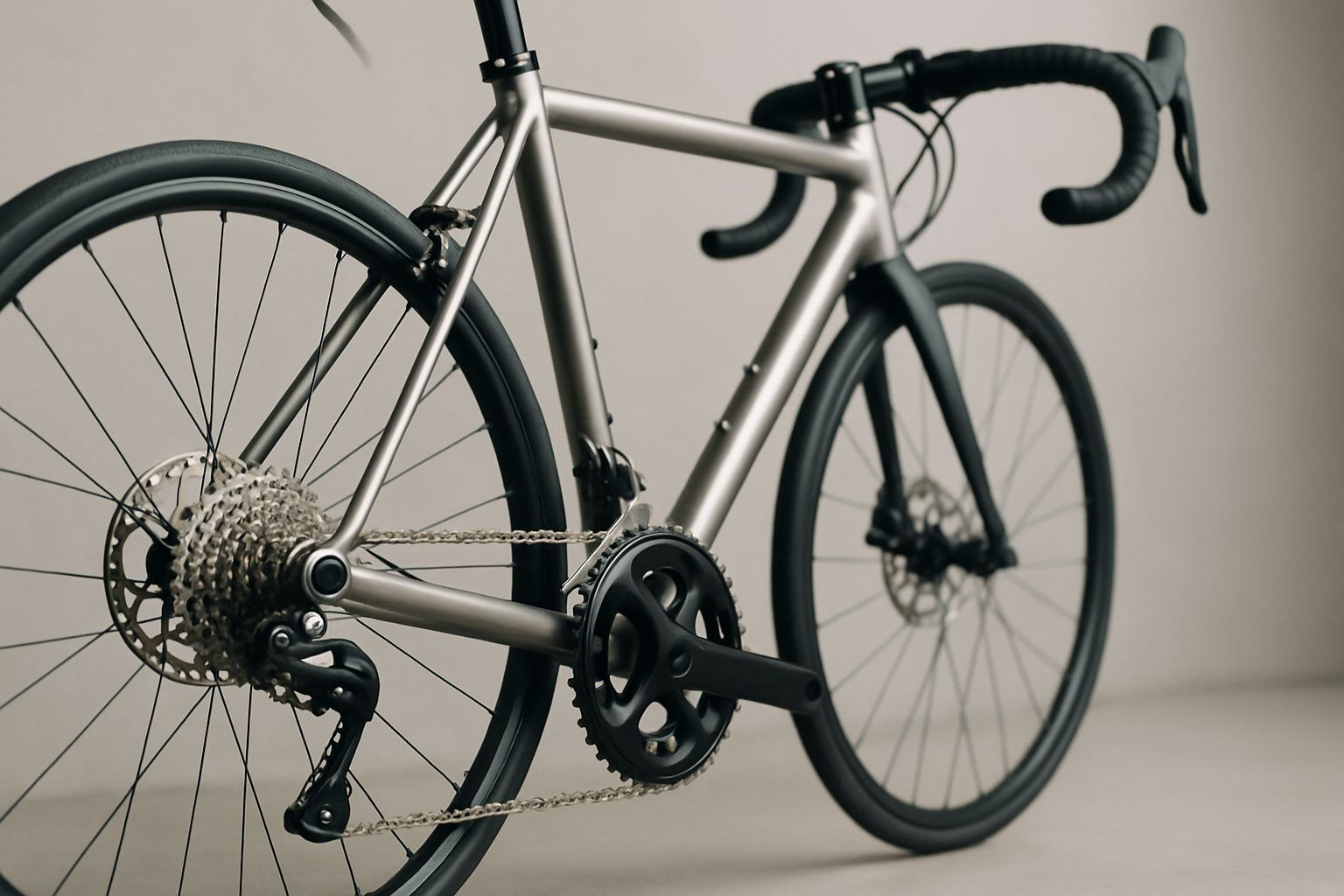
Understanding Bicycle Gear Options
Bicycle gears are an essential component of modern cycling, providing the flexibility to adjust your bike's pedaling difficulty to match various terrains and riding conditions. Whether you're a seasoned cyclist or a beginner, understanding the different gear options available can significantly enhance your riding experience.
What Are Bicycle Gears and How Do They Work?
Bicycle gears are a system of cogs (chainrings in the front and cassettes at the rear) that adjust the speed and torque of the bicycle. Gears help cyclists maintain a comfortable pedaling rhythm (cadence) regardless of the incline, wind, or cyclist's speed.
The basic setup includes a set of front chainrings operated by the front derailleur and a set of sprockets called a cassette, managed by the rear derailleur. The combination of these components allows riders to change gears to ease the pedaling effort or increase speed.
Types of Bicycle Gears
- Single-Speed Gears: These bikes have only one gear ratio. They are simple to use and require minimal maintenance, making them an ideal choice for city commuters or beginners who ride on flat terrain.
- Multi-Speed Gears: These bikes have multiple gear ratios, offering flexibility for various riding conditions. Most adult bicycles come with this setup, ranging from low-cost models with 7-9 gears to high-end bikes with up to 30 gears.
- Internal Hub Gears: Enclosed within the rear wheel hub, these gears are protected from external elements. They offer a clean look and less maintenance, and are popular in commuting and urban bicycles.
Choosing the Right Gear Ratios
Choosing appropriate gear ratios depends on your cycling needs. Gear ratio refers to the relationship between the number of teeth on the chainrings and the number of teeth on the cassette cogs.
- Low Gear (Easy): Ideal for climbing hills and terrains that require more pedaling power but less speed. This setup allows for high torque with minimal effort.
- Medium Gear: Best for riding on flat roads at moderate speeds. It provides a balance between power and speed.
- High Gear (Hard): Suited for descending slopes or for high-speed cycling on flat surfaces. It demands more effort but offers maximum speed.
Maintaining Bicycle Gears
For optimal performance, regular maintenance of your bike's gears is essential. Here are some tips:
- Keep Them Clean: Dirt and grime can accumulate in the gear system, affecting shifts. Regular cleaning with a suitable solvent and a soft brush can prevent this.
- Lubricate Regularly: To ensure smooth gear shifting, apply bicycle-specific lubricants on the chain and derailleurs. Avoid over-lubrication, which can attract dirt.
- Check Cable Tension: Proper tension in the gear cables ensures precise shifting. If the gears are slipping or shifting sluggishly, it might be time for an adjustment or replacement.
Current Gear Tech Innovations in 2026
Technology in bicycle gearing is continually evolving. Recent advancements include electronic shifting, which uses batteries to power precise gear changes by pressing buttons rather than traditional levers. These systems, like Shimano Di2 and SRAM eTap, have become popular for their performance and ease of use.
In addition, automatic shifting systems are gradually emerging. They adapt to real-time cycling conditions and adjust the gears seamlessly, enhancing efficiency and eliminating the need for manual gear changes.
According to a 2026 study published by Cycling Weekly, the adoption of electronic and automatic shifting systems has increased by 30% among professional cyclists (source: Cycling Weekly).
Understanding the Benefits of Proper Gear Usage
Proper use of bicycle gears does not only improve comfort but also boosts overall cycling performance:
- Increased Efficiency: Matching the right gear to your speed and terrain conditions minimizes energy waste and improves endurance.
- Improved Speed Control: Gears allow you to maintain a steady speed throughout your ride, making navigating different terrains more manageable.
- Enhanced Riding Comfort: Efficient gear shifting reduces the strain on your muscles and joints, promoting a more comfortable and pain-free riding experience.
Final Thoughts
Bicycle gear systems are integral to modern cycling. Whether you're riding for leisure, commuting, or professional racing, understanding and choosing the correct gear options can vastly enhance your cycling experience. Regular maintenance and keeping abreast of the latest technology will ensure that you get the most out of your bike, contributing to both enjoyment and safety on your rides.
For more detailed insights on bicycle gear maintenance and technology, consider visiting resources such as Bicycling (source: Bicycling.com) and local cycling clubs, which often host workshops and discussions on bike setup and gear optimization.
References