Discover Which Cars Might See Price Drops as New 2027 Models Hit the Market
Explore the fascinating landscape of the automotive market as 2027 models hit the scene. Discover which cars might become more affordable as these new models become available.
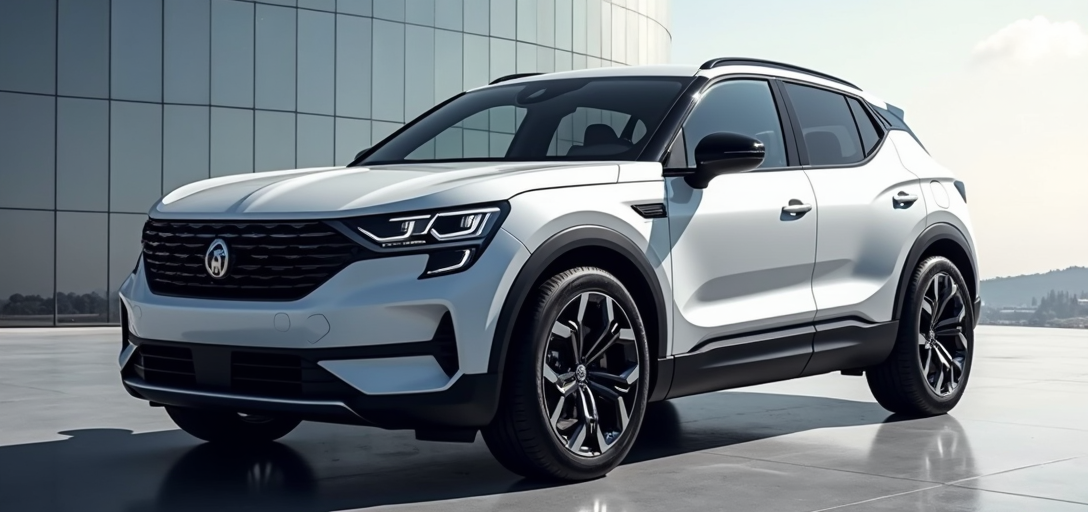
The Impact of New Model Releases on Car Prices
As the automotive industry evolves, consumers often wonder why prices fluctuate, especially with the arrival of new models. When manufacturers release new models, typically near the end of each year, the market dynamics shift considerably. The release of 2027 models is expected to influence prices across various categories, potentially making some cars more affordable. In this article, we'll explore how and why car prices may decrease with the introduction of fresh models and what this means for you, the consumer.
Why Do Car Prices Drop When New Models Arrive?
Each year, car manufacturers unveil new models with upgraded features, improved technology, and often, minor design tweaks. This cycle is part of the industry's push to stay competitive and meet evolving consumer demands. However, these new releases have a knock-on effect on current inventories.
- Liquidation of Older Models: Dealerships aim to clear their lots to make room for new inventory. As a result, pre-existing models, particularly those from the previous year, may see price cuts.
- Depreciation: Cars naturally depreciate over time, but as newer models hit the market, the depreciation rate often accelerates for older models.
- Consumer Perception: When a newer model becomes available, consumers often perceive the previous model as outdated, even if the changes are nominal. This shift in perception can compel dealerships to lower prices to stimulate demand.
Segments Likely to Experience Price Drops
While not all cars will see price reductions, certain segments are more vulnerable to price drops with the advent of new models. Understanding these can help you make informed purchasing decisions.
- Luxury Cars: Brands such as BMW, Mercedes-Benz, and Lexus usually release models with significant technological and design advancements. As a result, their previous models often see notable price reductions.
- Electric Vehicles: As technology rapidly advances, older electric vehicle models may experience price cuts as manufacturers introduce newer, more efficient batteries and systems.
- Midsize SUVs: A highly competitive segment, midsize SUVs often see substantial incentives on outgoing models to clear stock as popular brands vie for dominance.
How to Take Advantage of the Price Drops
If you're looking to purchase a car, timing can significantly impact your final price. Here are some strategies to leverage the opportunities created by the arrival of new 2027 models:
- Research Seasonal Trends: Many of the best deals occur at the end of each quarter, with dealership quotas pressing incentives.
- Negotiate Aggressively: Dealerships eager to offload older models may be more willing to negotiate. Use online platforms to review dealer costs and leverage this in discussions.
- Consider Certified Pre-Owned: With the influx of trade-ins, certified pre-owned vehicles often come with low mileage and warranties, offering an attractive alternative to new cars.
Potential Downsides to Older Models
While reduced prices are enticing, potential buyers should be aware of the possible downsides to purchasing older models:
- Missing Out on Latest Features: Newer models typically feature the latest safety upgrades, tech packages, and more efficient engines.
- Resale Value: Older models might not retain their value as well, increasing overall depreciation rates.
- Warranties and Maintenance: It's crucial to check warranty coverage and maintenance costs, as these could offset initial savings.
Recent Trends and Market Insights for 2026
In 2026, the US automotive market is projected to continue its fast-paced evolution, driven by technological advances and regulatory shifts. As of recent data:
- A significant increase in electric vehicle adoption is expected, with major manufacturers such as Ford and GM ramping up their EV offerings (MarketWatch).
- Consumer preference is leaning towards more sustainable and technologically advanced vehicles, impacting both current and future resale values (Forbes).
Conclusion: Is Buying in the Current Market a Good Idea?
Ultimately, whether you should purchase a car now or wait for further price drops depends on your personal needs and market conditions. If you need a vehicle urgently or find a deal that's hard to pass, taking advantage of current price reductions could be wise. However, if your needs are not immediate, tracking the market for better opportunities with the arrival of 2027 models may yield significant savings. Staying informed through reliable resources and industry trends will empower you to make the best decision for your circumstances.