Discover Why Drivers in These Oregon Zip Codes Face the Highest Insurance Rates
Curious about how your insurance rates compare? Discover which Oregon drivers in these zip codes pay the most in the state. With varying factors like local traffic patterns and accident rates influencing costs, find out how your area stacks up.
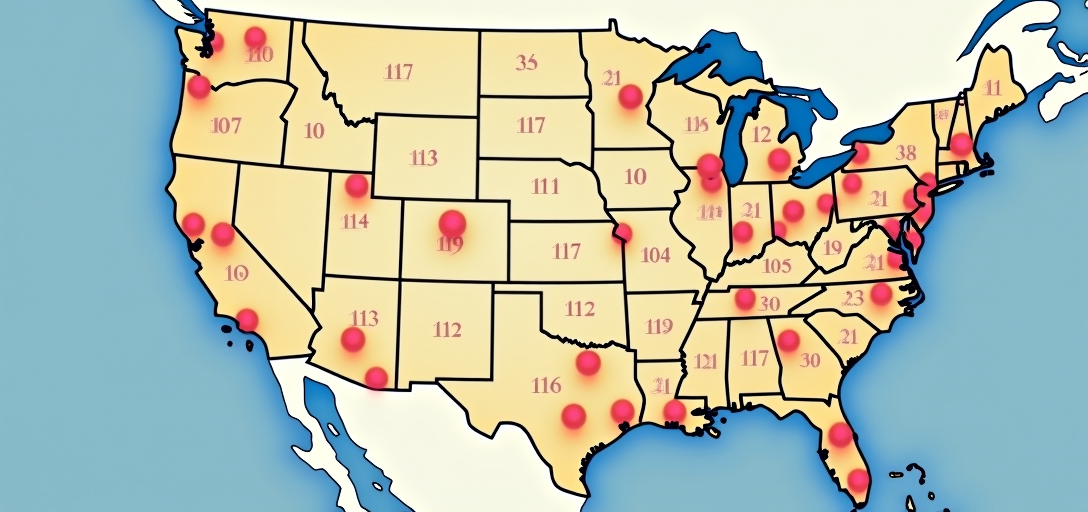
Understanding Oregon's Car Insurance Rates: Why Drivers in Certain Zip Codes Pay More
When you see an advertisement claiming "Oregon Drivers In These Zip Codes Pay The Most In The State," it prompts many questions. Why are rates different in specific areas? What factors contribute to these differences? Understanding these elements can help you make informed decisions about car insurance, potentially saving money in the process.
What Determines Car Insurance Rates?
Car insurance premiums are influenced by a variety of factors. While some are related to individual driver behavior, others are determined by broader demographic and geographic elements. Here are the key factors:
- Driver History: Your driving record, including accidents and traffic violations, is a primary determinant of your insurance rate.
- Vehicle Type and Usage: The make, model, and year of your car, as well as how often you drive, impact insurance premiums.
- Credit Score: In most states, including Oregon, insurers can use credit-based insurance scores to set premiums.
- Location: Where you live plays a significant role due to factors like traffic density, crime rates, and local weather conditions.
Geographic Disparities in Oregon
Oregon sees a variation in car insurance rates across different zip codes. Areas with higher population densities, increased traffic congestion, or elevated crime rates tend to have higher premiums. Zip codes within major cities like Portland often reflect these conditions.
In 2026, data from the Oregon Insurance Division highlighted a stark contrast in premiums between rural and urban areas. For example, drivers in Portland's 97202 zip code paid an average of 15% more than those in Bend.
The primary reasons for these disparities are:
- Traffic Risks: Urban areas see more traffic accidents, which increases risk for insurers.
- Theft and Vandalism: Higher crime rates in cities result in more claims for theft and vandalism.
- Weather-Related Claims: Regions more prone to adverse weather conditions may experience higher rates.
How Insurance Companies Calculate Risk in Oregon
Insurers use complex algorithms to assess risk. The geographical location tied to a particular zip code forms an integral part of their analysis:
- Accident Statistics: Zip codes with high accident rates lead to increased claims, resulting in higher premiums.
- Claim History: Past claims data, including the frequency and type of claims from an area, influence the risk assessment.
- Local Legislation: Specific state laws and regulations can also affect how rates are set.
How to Lower Your Car Insurance Premium
Regardless of zip code-related impacts, there are strategies to potentially lower your car insurance costs:
- Shop Around: Comparing rates from different providers can help you find more competitive offers. Websites like Insure.com are great resources for this.
- Bundle Policies: Many insurers offer discounts if you purchase multiple policies (e.g., home and auto) from them.
- Improve Your Credit Score: A better credit score can lead to better rates.
- Take Defensive Driving Courses: Some insurers provide discounts to drivers who complete approved safety classes.
The Impact of New Technologies
Technology is reshaping how insurance companies evaluate and assign rates. For instance:
- Telematics: Devices that monitor driving behavior can offer personalized rates based on your real-time driving habits.
- Data Analytics: Advanced data analysis allows insurers to assess risks more precisely, potentially leading to fairer pricing.
According to a 2026 report by the American Institute of Insurance, widespread use of telematics could reduce average premiums by up to 10% over the next five years.
Conclusion
Understanding why certain Oregon zip codes face higher car insurance premiums enables you to take control over what you pay. By being proactive—whether through improving your credit, exploring discounts, or leveraging new technologies—you can navigate these challenges more effectively. Keep abreast of local trends, continually compare policies, and tailor your coverage to your needs to ensure you get the best rates possible.
For more detailed information on car insurance in Oregon, consult the Oregon Division of Financial Regulation and consider speaking with a local insurance advisor to tailor your strategy further.