DIY Drain Cleaning: Clearing Clogged Main Lines Safely Without Professional Help
Worried about how to clear a stubbornly clogged main drain line without a plumber? Before calling a professional, understanding simple methods can save you time and money. This guide explores actionable techniques, from natural remedies to DIY tools, to help you address the issue safely.
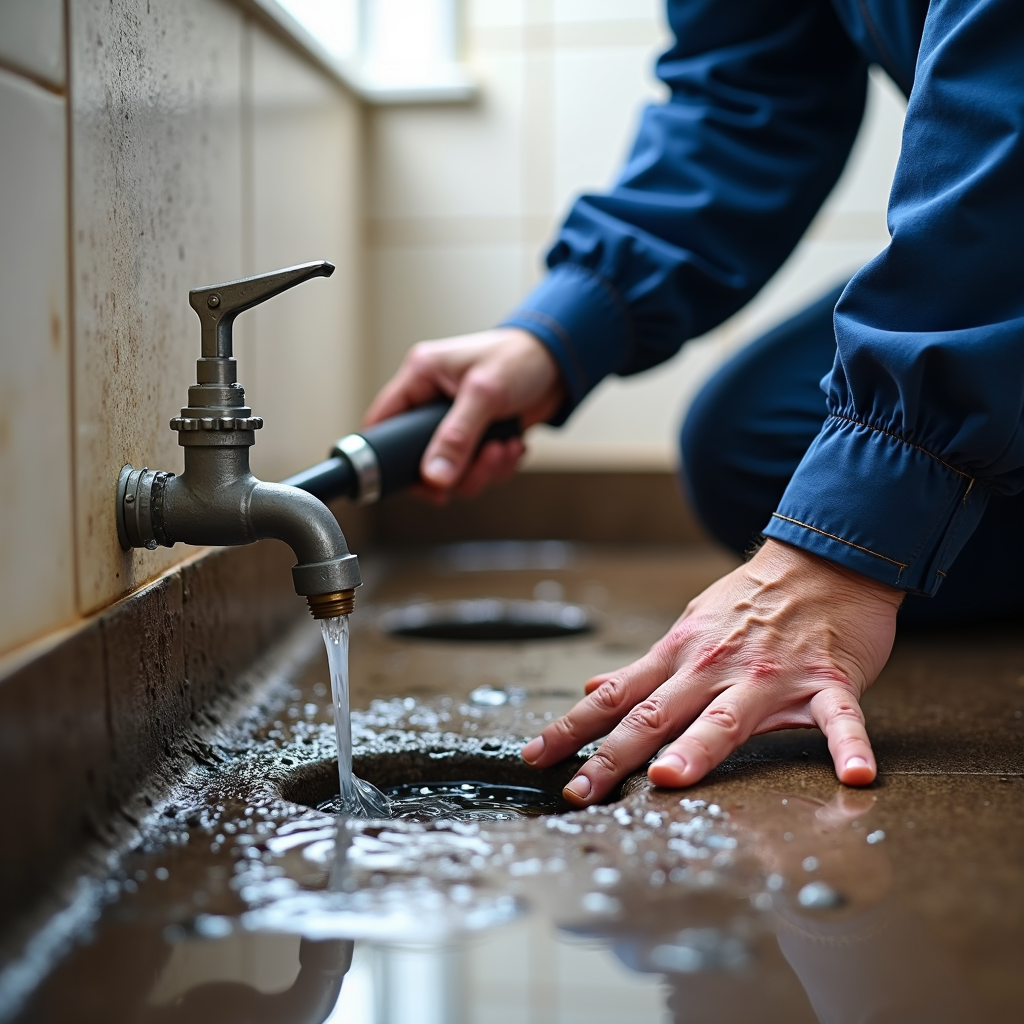
The Critical First Steps: Assessing a Stubborn Main Drain Clog
Encountering a backed-up sink, a gurgling toilet, or a slow drain in your main line is enough to turn a calm morning into a plumbing nightmare. When the clog seems insurmountable, and the initial attempts with a plunger or gentle heat haven't worked, it’s natural to feel panicked. However, before reaching for a chemical solution or panicking about calling an expensive emergency plumber, understanding the root cause and implementing systematic steps can often solve the problem yourself. The key to clearing a stubbornly clogged main drain line without professional help lies in diagnosis, not guesswork.
A main drain clog is different from a simple sink blockage. It means the issue is deep within the house's primary waste line, possibly involving tree root intrusion, years of accumulated grease, or a structural problem. Understanding the difference dictates your strategy.
🛑 Safety First: What NOT to Do
Before any physical intervention, safety must be your priority. Many desperate attempts can make the blockage worse, or worse, introduce hazardous materials into your home's plumbing system. Never:
- Pour harsh chemical drain openers into a visible leak or crack. These fumes can be extremely toxic and corrosive, risking internal injuries or structural damage.
- Attempt to plunge multiple times if you suspect a major break. Excessive pressure in an already compromised line can exacerbate leaks.
- Ignore foul smells. Persistent, strong, or sulfurous odors can indicate sewage gases or the presence of structural cracks that require immediate attention.
Deep Dive Into DIY Mechanical Clearing Methods
The mechanical approach involves physically breaking up or retrieving the material causing the blockage. These methods are significantly safer and more effective than chemical drain cleaners, which often just react with the organic matter, creating sludge further down the line.
The Proper Use of a Drain Auger (Plumber's Snake)
A drain auger, or plumber's snake, is your most reliable DIY tool for main line clogs. It is essentially a flexible metal cable designed to be fed into the drain, and then maneuvered to break up or hook onto the blockage. Different snakes are designed for different jobs:
- Handheld Spring Auger: Best for local, minor clogs in a single basin.
- Motorized/Electric Drain Auger: Recommended for main line issues, as the motorized torque allows you to push through harder, deeper clogs like those caused by grease or accumulated mineral scale.
How to use it effectively: Feed the snake into the drain opening until you meet resistance. Once blocked, turn the crank (or activate the motor) while maintaining steady, gentle forward pressure. You should hear a change in resistance as the snake bites into or breaks the clog material. Once resistance decreases, slowly retract the snake. The goal is not just to push through, but to mechanically disrupt the clog mass.
Hydro-Jetting Alternatives
While professional plumbing systems use high-powered hydro-jetting (which uses pressurized water to scour the pipe walls), a DIY approach can sometimes simulate this effect with extreme caution. High-flow flushing, using several large amounts of hot, but not boiling, water, can sometimes flush away minor debris. However, if the clog is solid (e.g., grease or tree roots), simply pouring more water will only increase the hydrostatic pressure and potentially cause backflow.
💡 Pro Tip: The best DIY "flush" is using a bucket of hot, diluted washing-up liquid (dish soap) followed by hot tap water. The soap acts as a mild surfactant, helping to emulsify grease rather than letting it just accumulate.
Understanding the Enemy: Why Are My Drains Clogged?
To solve the problem, you must understand the material causing the mess. Main drain clogs are rarely caused by a single item; they are usually a sticky cocktail of debris.
Grease and Oil Build-Up (FOG - Fats, Oils, Greases)
This is one of the most common culprits. Even if you rinse grease down the drain, it doesn't actually disappear. When the cooler drain environment encounters these materials, they solidify and adhere to the inner pipe walls. Over time, this creates a sludge layer that significantly reduces the pipe's diameter, making it vulnerable to a full clog.
Hair and Lint Accumulation
In bathroom lines, the combination of hair, soap scum, and cotton lint acts like a microscopic net. It catches other small debris, creating a tightly woven mass that is surprisingly difficult to dislodge, even with an auger.
The Danger of Root Intrusion
This is the most dreaded scenario. Tree roots, particularly those from large, mature landscaping trees, are opportunistic. They detect moisture and nutrients in your drain lines and will force their way through small cracks or joint seals (gaskets) to reach a steady food source. This process is slow and insidious, leading to structural damage over time. Root intrusion cannot be solved with a simple auger; it requires specialized root-cutting equipment or professional camera diagnosis.
Addressing the Underlying Structure: When DIY Fails
If the clog is caused by roots or significant structural deterioration, the DIY methods listed above will only be temporary fixes. You need professional help, and here is how to evaluate when it's time to call the experts.
The Diagnostic Camera Inspection (The Gold Standard)
The single most valuable service you can perform—or hire—is a comprehensive drain camera inspection. This non-invasive process uses a specialized camera and camera feed to relay images of the inside of your pipe. It allows a professional to:
- Identify the exact location of the blockage (e.g., "15 feet down in the main sewer lateral").
- Determine the nature of the blockage (e.g., "severe scale build-up" vs. "major root breach").
- Assess the integrity of the pipe structure, noting cracks, collapsed joints, or misplaced cleanouts.
A full camera assessment can save you thousands of dollars by preventing an expensive emergency repair based on speculation. Recent advancements in portable sewer camera technology (expected widespread availability by 2026) are making this diagnostic tool more accessible to qualified homeowners.
Recognizing Major System Failure Signs
These signs mean the problem is beyond simple mechanical clearing:
- Backing Up into the House: When sinks, tubs, and toilets are all draining slowly or backing up simultaneously, the blockage is almost certainly in the main sewer lateral line, requiring specialized equipment.
- Visible Damp Soil Smell: While all drains smell, an overwhelming, persistent, or highly metallic smell often suggests a sewer gas issue or a structural break allowing gases into the crawl space.
- Water Backing Up from Outside Sources: If water from your backyard drains or street drains appears in your home's drains, it indicates a severe municipal or main line break.
Prevention is the Ultimate Solution: Maintaining Your Main Line
The best way to deal with a stubborn clog is to prevent it. Maintenance is not an optional luxury; it is an essential part of home ownership. Regular preventative care extends the life of your pipes and prevents catastrophic failures.
The Daily Habits
- Use Grease Traps (or Catch Pans): Never pour grease down the sink. Allow it to cool and solidify in a container, then scrape it into the trash.
- Strain Everything: Use mesh drain strainers in all sinks and shower drains. Clean these regularly.
- Low-Impact Flushing: Occasionally flushing with diluted baking soda and vinegar can help maintain internal pH balance and remove minor scale buildup, but this is not a substitute for professional cleaning if a major issue is suspected.
Semi-Annual Professional Services
For homes with high-risk drain characteristics (old plumbing, large tree canopy, septic systems), consider scheduling a professional plumbing service every 1-3 years. These services often include a camera inspection and a high-pressure jetting cleanout. This preventative maintenance proactively clears buildup before it becomes a crisis.
By approaching drain maintenance with education and caution, understanding the difference between minor clogs and structural failures, and prioritizing safety, you can significantly reduce the panic associated with a backed-up main drain. Remember that DIY tools are powerful, but structural integrity demands respect, and knowing when to call in expert eyes (the camera inspection) is the smartest investment you can make in your home's plumbing.
Sources and Further Reading:
- EPA Guidelines for Residential Sewage Disposal System Maintenance (Focuses on structural integrity and environmental best practices).
- Plumbing Journals: Advanced Techniques for Root Intrusion Mitigation (Industry standard for advanced diagnostics).
- Consumer Report: Comprehensive Home Plumbing Maintenance Checklist (Review of modern DIY tools and safety standards).