Early Signs and Symptoms to Look Out for in Chronic Myeloid Leukemia
Discover some initial signs that might relate to Chronic Myeloid Leukemia. This article explores potential early indicators that could help in identifying Chronic Myeloid Leukemia. While we delve into these clues, it's essential to approach the information as a general guide rather than a diagnosis.
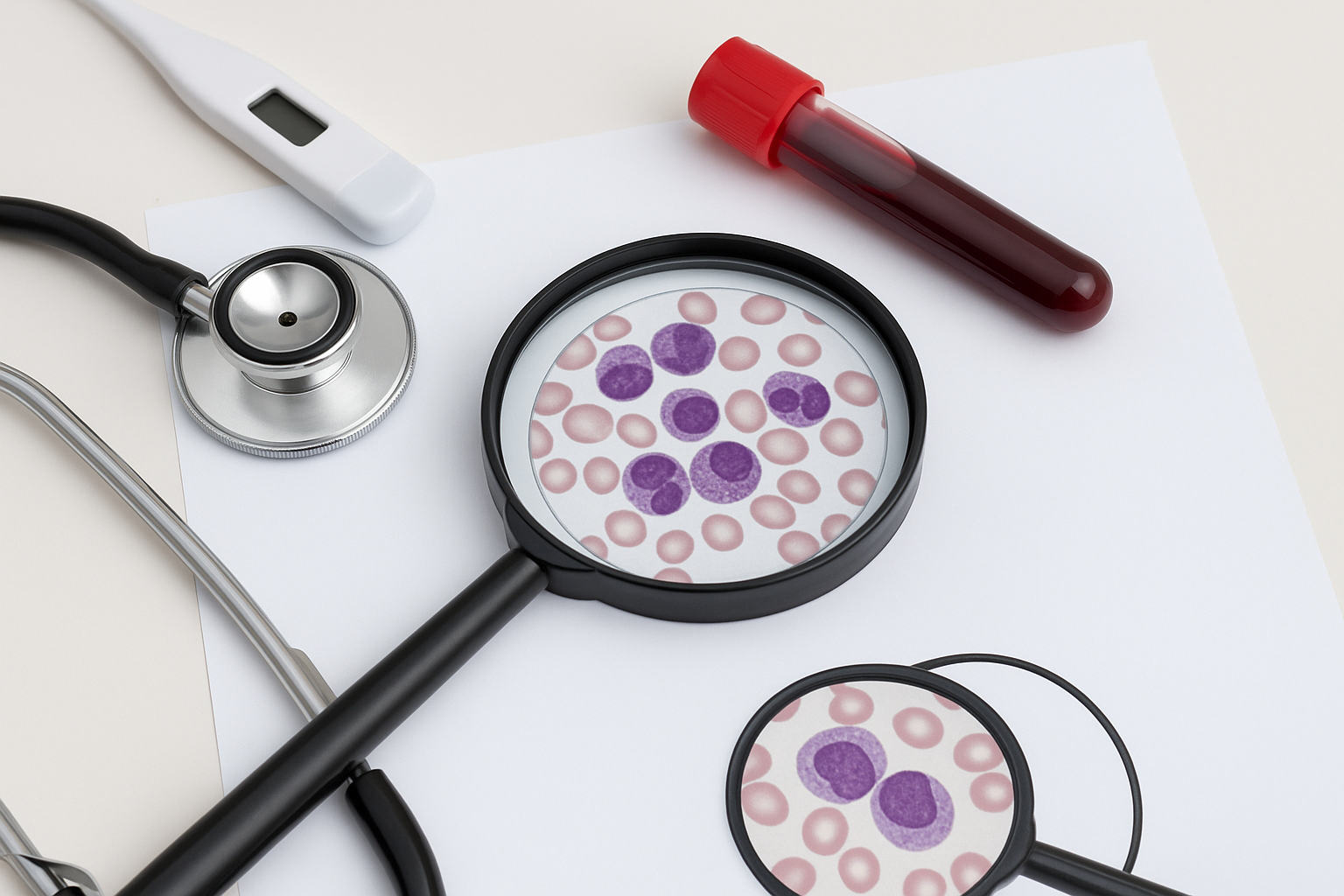
Understanding Chronic Myeloid Leukemia (CML)
Chronic Myeloid Leukemia (CML) is a type of cancer that affects the blood and bone marrow. This condition is caused by a genetic mutation in the blood-forming cells. CML is characterized by the overproduction of white blood cells, which can lead to various health issues if not properly managed. It's crucial to identify early clues that might suggest the onset of CML, as early detection can greatly influence the effectiveness of treatment.
Early Clues Which May Be Connected To Chronic Myeloid Leukemia
Recognizing the early signs of CML can be challenging, as symptoms can be vague or overlap with other conditions. However, there are specific symptoms and risk factors to consider. Below, we outline the key clues that may suggest the presence of CML:
1. Fatigue and Weakness
One of the most common early indications of CML is persistent fatigue. Patients may feel exhausted despite adequate rest. This fatigue is due to the body's resources being depleted as it tries to manage the abnormal increase in white blood cells.
2. Unexpected Weight Loss
Unexplained weight loss is another potential clue. If you're losing weight without trying, particularly when combined with other symptoms, it's important to seek medical advice to rule out serious conditions like CML.
3. Frequent Infections
The overproduction of immature white blood cells in CML can impair the body's ability to fight infections. Patients may experience frequent or prolonged infections, which warrant further investigation.
4. Abdominal Discomfort or Fullness
The spleen, an organ involved in blood cell production and breakdown, often becomes enlarged in CML patients. This can cause discomfort or a feeling of fullness in the abdomen, even after eating small amounts.
5. Night Sweats
Experiencing night sweats can be another early clue. These may be drenching and are not necessarily related to the room temperature or physical activity levels.
Causes and Risk Factors of CML
Understanding the causes and risk factors of CML can help in identifying individuals who might be more susceptible. Here's an overview:
- Genetic Mutation: The primary cause of CML is a genetic mutation known as the Philadelphia chromosome. This mutation causes the bone marrow cells to produce an abnormal enzyme that triggers the overproduction of abnormal white blood cells.
- Age: CML is more commonly diagnosed in older adults; the average age of diagnosis is around 64 years.
- Radiation Exposure: In rare cases, exposure to high doses of radiation increases the risk of developing CML.
Diagnosis and Treatment
Correct and timely diagnosis is crucial for the management of CML. Typically, diagnosis is confirmed through blood tests and bone marrow biopsies. Treatment options have vastly improved over the years, making CML a manageable condition:
Targeted Therapy
Targeted therapy is the frontline treatment for CML. Tyrosine kinase inhibitors (TKIs) are drugs that specifically target the BCR-ABL protein produced by the Philadelphia chromosome, helping to control the disease.
Stem Cell Transplant
In certain cases, a stem cell transplant may be considered, particularly for patients who do not respond to TKIs. This procedure involves replacing diseased bone marrow with healthy stem cells from a donor.
Clinical Trials
Ongoing research and clinical trials continue to explore new treatment options for CML. Patients are encouraged to discuss the possibility of participating in clinical trials with their healthcare providers, as these studies offer access to cutting-edge therapies.
Coping with CML
Living with CML involves managing both the physical and emotional aspects of the disease. Support is crucial:
Emotional Support
Joining support groups or counseling can be beneficial for patients and families. Sharing experiences with others who understand the challenges of CML can alleviate feelings of isolation.
Lifestyle Adjustments
Adopting a healthy lifestyle by maintaining a balanced diet, exercising regularly, and avoiding tobacco can improve overall well-being and treatment outcomes.
Regular Monitoring
Regular medical follow-ups and monitoring of blood cell counts are vital. These help in assessing the effectiveness of the treatment plan and making necessary adjustments.
Staying Updated with Recent Research
It's important to stay informed about recent developments in CML research and treatment options. Dedication to ongoing education can empower patients and caregivers by offering insights into the latest therapeutic advances.
For more information, readers can refer to credible sources such as National Cancer Institute, Leukemia & Lymphoma Society, and recent research publications in the Blood Journal.