Earn Money Responsibly: Steps for Selling Unused Diabetic Supplies
Discover how you can turn your unused diabetic supplies into extra cash without any hassle. Whether you have surplus glucose strips or lancets, find out the best practices for exchanging unwanted diabetic supplies legally and safely.
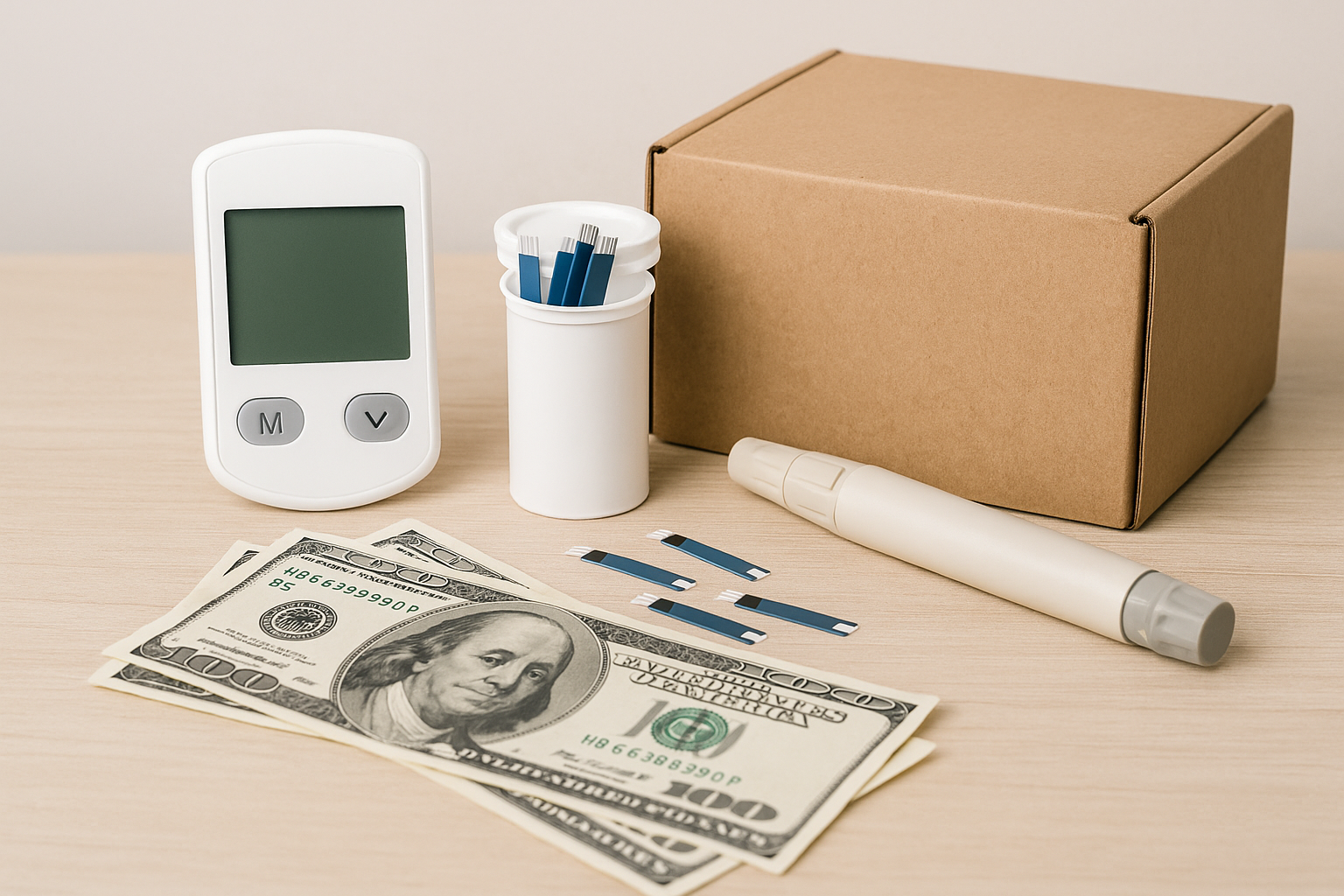
Understanding the Market for Diabetic Supplies
If you've recently encountered advertising suggesting that you can get paid for unwanted diabetic supplies, you might be wondering how this market works. Understanding the dynamics of this secondary market can help you make informed decisions about selling your supplies and ensure you're compliant with regulations.
Diabetic supplies, such as test strips, lancets, and meters, are crucial for managing diabetes effectively. However, it's not uncommon for these supplies to go unused for various reasons. People might switch to different products upon a doctor's recommendation, experience changes in their diabetic condition, or receive more supplies than necessary through insurance.
Why There is Demand for Unwanted Diabetic Supplies
The Cost Factor
Diabetes management can be costly, particularly in regions where healthcare policies result in high out-of-pocket expenses for necessary supplies. According to the Diabetes Research Institute, the annual medical cost of diabetes in the U.S. is over $327 billion, with patients spending nearly $9,600 yearly on average for diabetes-related expenses. This cost burden creates a demand for more affordable sources of diabetic supplies.
Access Issues
In addition to cost, some individuals face barriers to accessing their required diabetic supplies due to geographical or logistical challenges. The secondary market for diabetic supplies provides people who might otherwise struggle to obtain these products a more accessible option.
Is It Legal to Sell Diabetic Supplies?
The legality of selling diabetic supplies varies depending on your location and the type of product. In the United States, selling products obtained through governmental programs like Medicare or Medicaid is illegal. Additionally, prescription-only items should not be sold by individuals.
However, over-the-counter supplies such as test strips are legal to sell in many contexts. It's critically important to adhere to local laws and regulations and remain informed regarding items that are legally permissible for resale.
Steps to Selling Your Unwanted Diabetic Supplies
Research and Verify Buyers
Before deciding to sell your supplies, it's crucial to research potential buyers. Here’s how you can start:
- Verify Legitimacy: Confirm that the buyer is a legitimate business. Check for online reviews and Better Business Bureau ratings.
- Understand Pricing: Get a sense of the going rate for your supplies by contacting multiple buyers and comparing offers.
Ensure Product Integrity
To maintain the quality and marketability of your supplies:
- Check expiration dates to ensure they are still valid.
- Make sure packaging is unopened and in good condition.
- Store supplies in a cool, dry place until sold.
Complete the Transaction Securely
Protect yourself during the transaction process by:
- Using reputable shipping methods with tracking to ensure safe delivery.
- Never providing personal banking information; legitimate buyers will have a secure payment process, often offering methods like PayPal or checks.
The Moral and Ethical Considerations
While selling diabetic supplies can be legally permissible, it's ethical to consider the broader impact of your actions. Ensure that your efforts are genuinely helping those in need and not inadvertently contributing to improper distribution practices.
Conclusion
Selling unused diabetic supplies can be a viable means to both clear out excess products and assist others who may struggle with access or cost issues. However, it's crucial to navigate this market thoughtfully and legally. By understanding the market, verifying buyers, and ensuring ethical transactions, you can contribute responsibly to those in need of these essential medical supplies.
For more information on the legal aspects and best practices for selling diabetic supplies, consider consulting platforms like the Centers for Disease Control and PreventionCDC Diabetes Management and recent articles from the National Institutes of Health.NIH Website