Effective Management Strategies for Chronic Sinusitis with Nasal Polyps
Explore effective strategies for managing chronic sinusitis with nasal polyps. Understand the symptoms, treatment options, and lifestyle changes that can help alleviate discomfort.
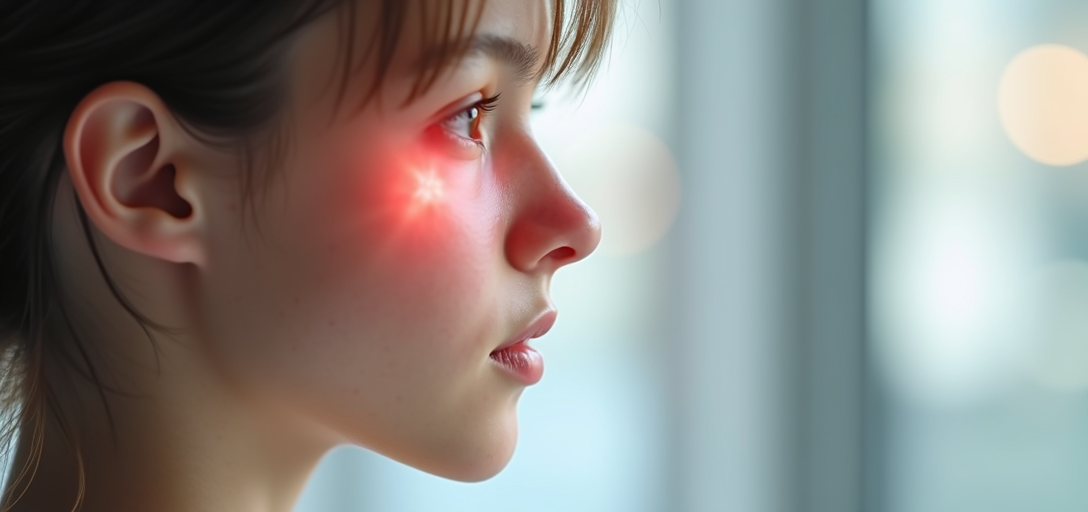
Understanding Chronic Sinusitis with Nasal Polyps
Chronic sinusitis with nasal polyps is a complex and often frustrating condition that impacts numerous individuals in the United States. It is characterized by prolonged inflammation of the sinuses and the presence of painless polyps on the nasal lining or sinuses. These polyps can lead to persistent symptoms such as nasal congestion and loss of smell, significantly affecting a person's quality of life. In this management guide, we aim to demystify the condition, provide management strategies, and answer key questions that may arise for individuals facing this condition.
What Causes Chronic Sinusitis with Nasal Polyps?
The exact cause of chronic sinusitis with nasal polyps remains unknown, but a combination of factors can contribute to its development:
- Inflammatory conditions: Conditions like asthma and allergic rhinitis may predispose individuals to build-up of polyps.
- Immune system responses: Abnormal responses by the immune system to infections or environmental triggers may play a role.
- Genetic predisposition: Genetic factors may increase the likelihood of developing nasal polyps.
Common Symptoms and Diagnosis
Symptoms of chronic sinusitis with nasal polyps can include:
- Prolonged nasal congestion
- Decreased sense of smell
- Postnasal drip
- Facial pain or pressure
- Recurrent sinus infections
Diagnosis commonly involves a physical examination by an ENT (Ear, Nose, and Throat) specialist, who may perform nasal endoscopy to assess the presence of polyps. In some cases, a CT scan might be recommended to evaluate the extent of inflammation.
Management and Treatment Options
Medical Treatments
There are several medical treatment options available:
- Corticosteroid Nasal Sprays: These reduce inflammation and the size of polyps. Ongoing use is often necessary for lasting relief.
- Oral Corticosteroids: In short periods, these can shrink polyps quickly, but they are not recommended for long-term use due to potential side effects.
- Biologics: Recent advancements like monoclonal antibodies (e.g., Dupilumab) have shown promise in targeting inflammatory pathways specifically associated with nasal polyps. According to a 2026 report from NCBI, biologics are proving effective in reducing polyp size and recurrence.
- Saline Nasal Irrigation: Regular use can help clear nasal passages, reduce irritation, and improve breathing.
- Antibiotics: If a bacterial infection is present, antibiotics may be prescribed.
Surgical Interventions
If medications do not alleviate symptoms, surgery may be considered. Endoscopic sinus surgery is a common minimally invasive procedure where the ENT surgeon uses an endoscope to remove the polyps and any obstructions. It's often coupled with ongoing management since polyps can return.
Innovations in surgical techniques, such as image-guided sinus surgery, have improved precision and outcomes for patients.
Lifestyle and Home Remedies
In addition to medical treatments, lifestyle modifications and home remedies can support management:
- Humidifiers: Maintaining a humid environment can prevent nasal passages from drying and can relieve congestion.
- Allergen Control: Minimizing exposure to allergens can help manage symptoms, especially if allergies are a contributing factor.
- Avoiding Irritants: Smoking and pollutants can exacerbate inflammation and should be avoided.
- Dietary Considerations: Some evidence suggests that a diet rich in omega-3 fatty acids and low in inflammatory foods could aid in reducing symptoms.
Recent Research and Future Directions
Research in 2026 continues to explore new frontiers in the treatment of chronic sinusitis with nasal polyps. Advances in biologics and personalized medicine are spearheading a more tailored approach to treatment. Innovations in gene therapy and stem cell research also promise potential future breakthroughs, offering hope for more effective and enduring solutions.
The complexity of this condition underscores the importance of ongoing research and patient involvement in managing their health. Collaborative care involving specialists, nutritionists, and personal initiatives often yields the best outcomes.
Real-world Experiences
Many individuals have found relief with a combination of treatments. Consider the case of John, a 45-year-old from California, who managed his condition through a mix of biologic therapy and regular saline irrigations. His story mirrors that of many patients who, by actively engaging with healthcare providers and embarking on personalized treatment plans, have managed to regain a sense of well-being and normalcy.
Conclusion
Chronic sinusitis with nasal polyps poses ongoing challenges but can be managed with an informed approach. Patients are encouraged to seek out specialized healthcare providers to tailor a treatment plan to their unique needs. Staying abreast of the latest treatment innovations and adopting supportive lifestyle strategies are equally crucial in battling this chronic condition. For those navigating options, resources like the American Academy of Allergy Asthma & Immunology offer valuable guidance and continuing updates in this ever-evolving field.