Effective Natural Methods to Boost Leg Circulation: A Comprehensive Guide
Discover practical ways to boost blood circulation in legs naturally. Simple lifestyle changes can make a noticeable difference in your leg health. Techniques like regular exercise, staying hydrated, and incorporating certain foods into your diet can support your circulation goals.
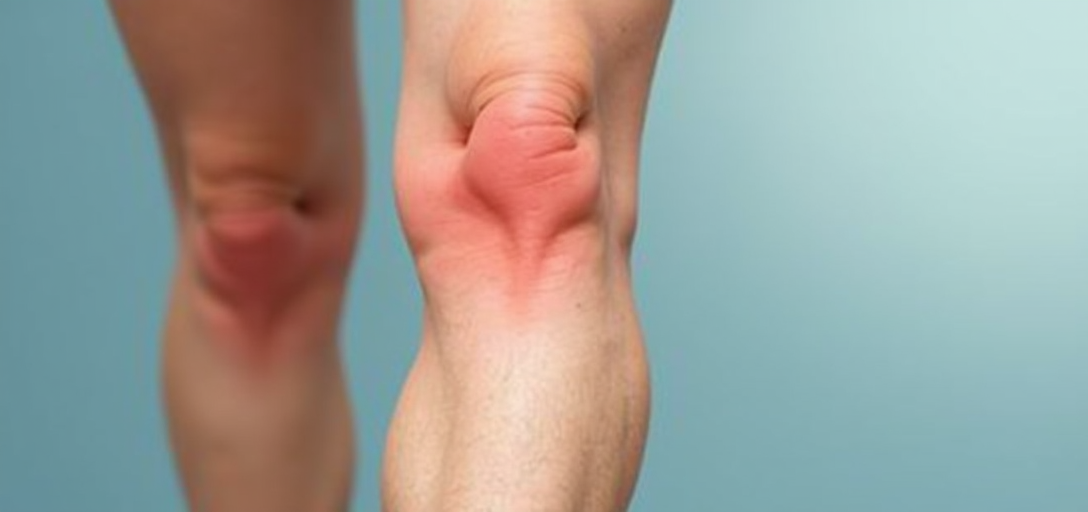
Understanding Blood Circulation in Legs
Blood circulation is a crucial function of the cardiovascular system, essential for transporting oxygen and nutrients to various parts of the body. In particular, good circulation in the legs is vital for mobility, overall health, and preventing potential complications. Poor leg circulation can lead to discomfort, swelling, and even more severe health issues like deep vein thrombosis (DVT) or peripheral artery disease (PAD).
Increasing blood circulation naturally involves lifestyle modifications, exercises, dietary changes, and possibly natural supplements. These strategies can be particularly beneficial for individuals in the United States, where sedentary lifestyles and high rates of obesity often contribute to circulation problems.
Key Factors Affecting Blood Circulation in Legs
- Sedentary Lifestyle: Prolonged sitting or lack of physical activity can weaken muscles and hinder proper blood flow.
- Poor Diet: High intake of processed foods and saturated fats can lead to arterial blockage, reducing circulation.
- Smoking: Tobacco use is known to damage blood vessels, affecting overall circulation.
- Obesity: Excess weight puts additional pressure on blood vessels and circulatory functions.
Natural Ways to Improve Blood Circulation in Legs
Exercise Regularly
Engaging in regular physical activity is one of the most effective ways to enhance circulation. Activities like walking, cycling, and swimming can significantly boost blood flow in the lower extremities.
- Walking: A simple daily walk for at least 30 minutes can stimulate blood flow and strengthen leg muscles. [Mayo Clinic]
- Leg Elevation: Elevating the legs above heart level can help facilitate blood return to the heart.
- Stretching/Yoga: Practices that focus on flexibility can also improve circulation by reducing tension in the legs.
Healthy Dietary Choices
Adopting a heart-healthy diet can positively influence circulation. Incorporating foods rich in essential nutrients is key.
- Omega-3 Fatty Acids: Found in fish, flaxseeds, and walnuts, omega-3s help improve blood flow. [American Society for Nutrition]
- Antioxidant-rich Foods: Berries, spinach, and dark chocolate are high in antioxidants, supporting vascular health.
- Hydration: Drinking sufficient water helps maintain optimal blood viscosity.
Herbal Supplements and Natural Remedies
Some herbal supplements can complement a diet focused on improving circulation.
- Ginkgo Biloba: Known to enhance blood flow and improve circulation, especially in extremities. However, consult a healthcare provider before use.
- Horse Chestnut: Widely used for treatment of chronic venous insufficiency, it can help reduce swelling and improve blood flow.
Maintain a Healthy Weight
Simple steps to maintain a healthy weight include following a balanced diet and engaging in regular physical activity. This reduces pressure on your legs, improving overall circulation.
Quit Smoking
Avoiding tobacco products is essential because smoking constricts blood vessels and inhibits proper blood circulation.
Wear Compression Stockings
For individuals with more serious circulation concerns, wearing compression stockings can provide additional support to veins and enhance blood flow back to the heart by applying pressure to the legs.
Conclusion
Improving blood circulation in the legs naturally is an achievable goal with a combination of lifestyle modifications, dietary changes, exercise, and potentially some herbal supplements. For those dealing with significant circulation issues, it's important to consult with a healthcare provider to develop a tailored plan. These strategies not only enhance circulation but also improve overall health and prevent long-term complications associated with poor blood flow. By taking these steps, individuals across the US can enjoy better mobility and health outcomes.