Effective Strategies for Firming Saggy Skin Post-Weight Loss
Discover tips and insights on addressing saggy skin after weight loss. While everyone's body responds differently, supportive practices and lifestyle adjustments can promote skin firmness.
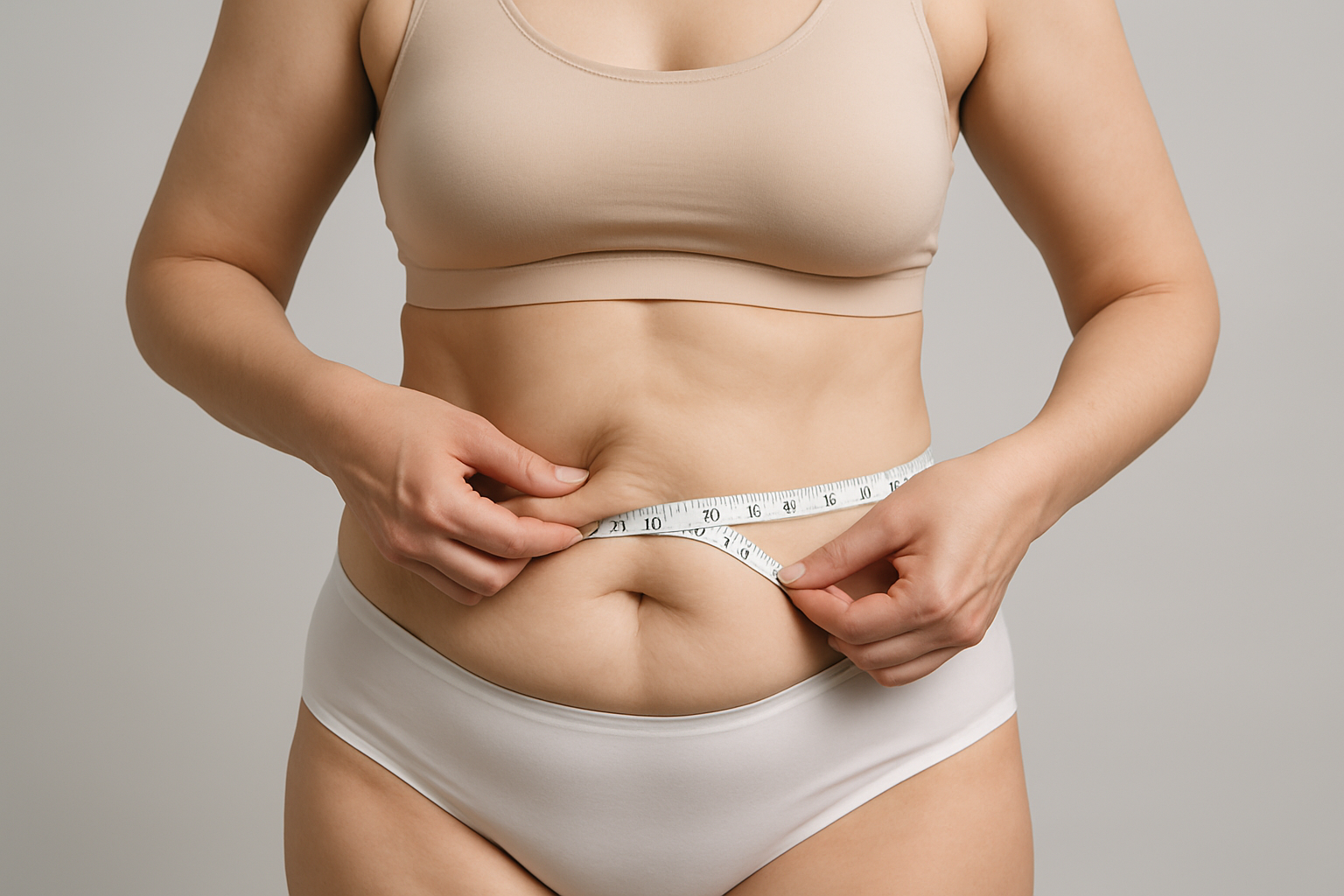
Understanding Saggy Skin After Weight Loss
Achieving significant weight loss is a commendable milestone but can sometimes leave behind saggy skin, impacting self-esteem and comfort. Understanding how saggy skin occurs is the first step towards addressing it effectively.
Saggy skin after weight loss often results from the loss of fat that stretches the skin and connective tissues under the surface. When the fat is lost, the skin might not be able to shrink back fully due to the damage or reduction in skin elasticity, which tends to decrease as we age.
Factors Affecting Skin Elasticity
- Age: As you age, your skin loses two important proteins — collagen and elastin — which significantly affect skin elasticity.
- Duration of Obesity: Long durations of carrying excess weight can damage the skin's elastic elements more permanently.
- Magnitude of Weight Loss: More substantial weight loss often results in more sagging skin.
- Genetics: Your skin's natural elasticity is partly determined by your genetic makeup.
- Sun Exposure: Prolonged exposure to UV rays can deteriorate the skin's collagen and elastin.
Natural Methods to Tighten Saggy Skin
While saggy skin might seem unavoidable after dramatic weight loss, there are natural methods to help tighten and improve skin appearance.
Regular Exercise
Building muscle mass through resistance and strength training can help improve the appearance of saggy skin. Exercises like weightlifting, pilates, and yoga increase muscle tone, making the skin appear tighter.
Hydration and Nutrition
Staying well-hydrated is crucial for maintaining skin elasticity. Drinking plenty of water aids in keeping the skin plump. Additionally, a diet rich in antioxidants and protein supports collagen production, which is vital for skin elasticity. Consume foods high in vitamins C and E, zinc, and omega-3 fatty acids.
Topical Treatments
Creams and lotions containing collagen and elastin can help tighten skin. While they won't solve the issue entirely, they can improve skin appearance when combined with other methods. Consult dermatologists for recommendations tailored to your skin type.
Clinical Procedures for Tackling Saggy Skin
When natural methods aren't enough, several medical and cosmetic procedures can help tighten saggy skin. Consult with healthcare professionals to choose the best option for you.
Non-Invasive Treatments
- Laser Therapy: Laser treatments can stimulate collagen production in the skin, improving skin elasticity and reducing sagging.
- Radiofrequency Treatments: These use energy waves to heat the deep layers of the skin, stimulating collagen production.
Invasive Procedures
- Abdominoplasty (Tummy Tuck): This procedure removes excess skin and fat, helping to tighten the abdomen.
- Body Contouring Surgery: Often recommended after massive weight loss, these surgeries remove extra skin from areas like arms, thighs, and buttocks.
These procedures involve risks and require downtime, so careful consideration and consultation with a certified plastic surgeon are essential.
Psychological Impact and Support
The presence of saggy skin can have a significant psychological impact, affecting self-confidence and body image. It's important to address these feelings and seek support if needed.
Seeking Support
Consider joining support groups for individuals who have experienced significant weight loss. Sharing experiences can provide emotional comfort and practical advice. Additionally, consulting with a mental health professional can be beneficial for addressing self-esteem or body image issues.
Conclusion
While saggy skin after weight loss can be challenging, there are multiple avenues for improvement, ranging from natural methods to clinical interventions. It's essential to adopt a comprehensive approach, including lifestyle changes and professional guidance, to achieve desired results. Remember to be patient with your body as it adjusts to the new changes.