Effective Strategies for Firming Up Loose Skin After Weight Loss
Discover practical tips to address loose, crepey skin after weight loss, incorporating expert insights for optimal results. While there are various methods to help you tighten up skin naturally and noninvasively, it's essential to set realistic expectations.
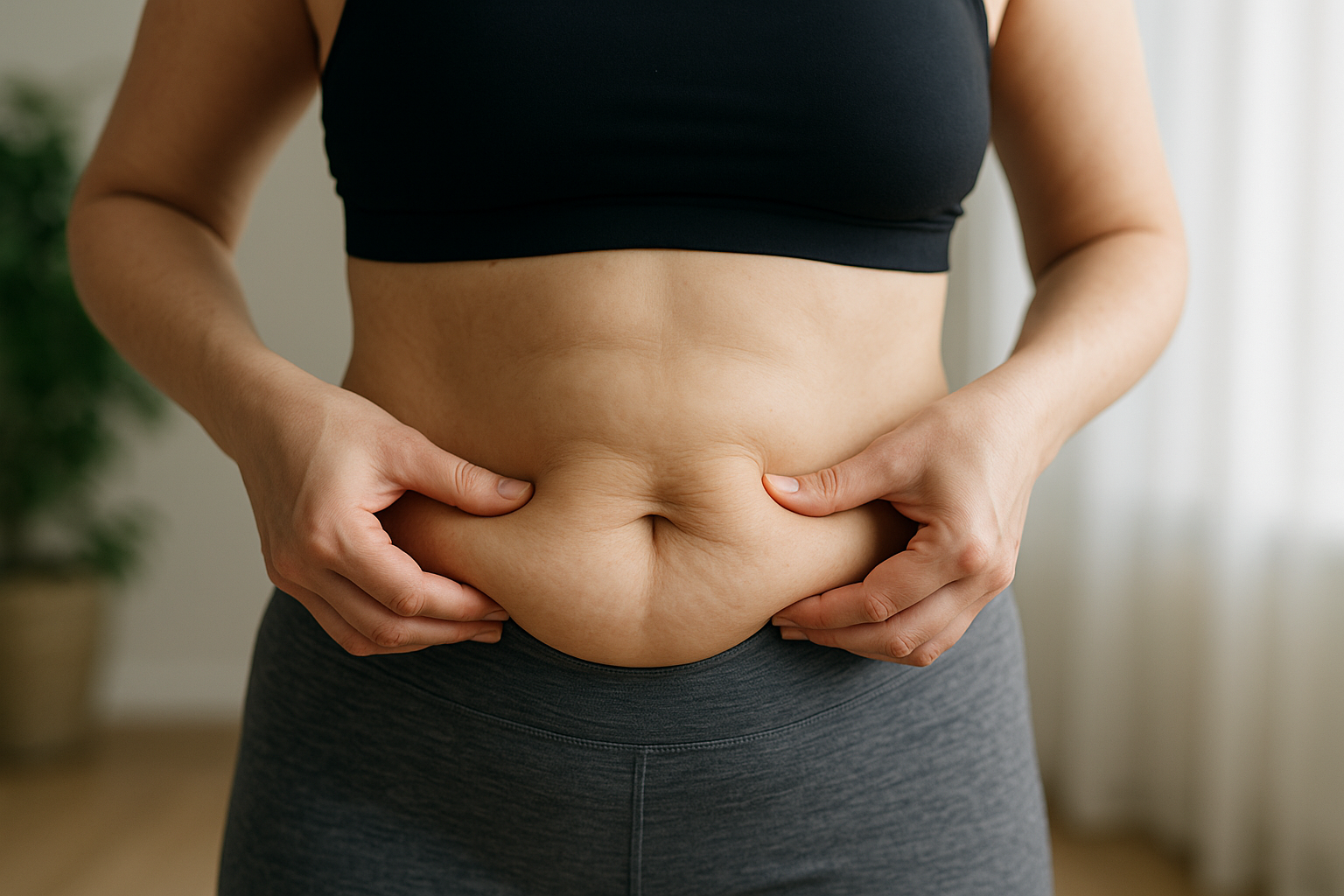
Understanding Loose, Crepey Skin After Weight Loss
Losing weight is an incredible achievement that benefits your overall health. However, one common concern that may arise after significant weight loss is dealing with loose, crepey skin. This issue can affect your appearance and, in some cases, even your confidence. Understanding why skin appears loose and crepey after weight loss is the first step towards addressing it.
As we gain weight, our skin stretches to accommodate the extra volume. After weight loss, especially if the weight loss is rapid or significant, the skin might not fully retract, resulting in a loose or crepey appearance. Factors such as age, genetics, how quickly weight was lost, and how much weight was lost all play crucial roles in how your skin responds.
Factors Affecting Skin Recovery Post-Weight Loss
Age and Skin Elasticity
As we age, our skin naturally loses elasticity. This is due to decreased production of collagen and elastin—two critical proteins for skin firmness and elasticity. People in their 40s or older may experience more noticeable skin sagging than younger individuals after weight loss.
Duration and Amount of Weight Lost
The amount of weight lost and the time period over which it was lost play a significant role. Gradual weight loss tends to give skin more time to adjust to changes, reducing the likelihood of loose skin. On the other hand, rapid weight loss often leaves insufficient adjustment time for the skin, leading to a crepey appearance.
Genetics
Your genetics can significantly influence how your skin responds to weight loss. Some people naturally have more elastic skin that rebounds better, while others may be predisposed to looser skin due to their genetic makeup.
Effective Strategies to Tighten Loose, Crepey Skin
Healthy Nutrition
A balanced diet is crucial in maintaining and improving skin health. Consuming foods rich in vitamins C and E, zinc, and omega-3 fatty acids can enhance collagen production and improve skin elasticity.
- Citrus fruits like oranges and lemons, rich in Vitamin C, help boost collagen synthesis.
- Almonds and avocados provide Vitamin E, protecting the skin from oxidative stress.
- Fatty fish, such as salmon, provide omega-3s, which are vital for maintaining skin's moisture and thickness.
Regular Exercise
Incorporating strength training exercises into your routine can help build muscle mass under the skin, providing a more toned appearance. Resistance exercises such as weight lifting can promote muscle growth, potentially minimizing the appearance of sagging skin.
Topical Treatments
Topical treatments can provide additional support in tightening the skin. Look for creams or lotions containing retinoids, which help boost collagen production and improve skin texture. Hyaluronic acid is another beneficial ingredient that helps hydrate and plump the skin. For example, a study published in the Journal of Dermatological Treatment in 2026 showed improved skin elasticity with consistent use of hyaluronic acid-based creams.
Professional Skin Treatments
When lifestyle changes and topical treatments aren't enough, professional dermatological treatments can offer more significant results. Options include:
- Laser Therapy: Helps stimulate collagen and elastin production.
- Radiofrequency Treatments: Work by heating the skin to promote collagen production that tightens the skin over time.
- Ultrasound Skin Tightening: Uses sound waves to stimulate deep skin tissue layers leading to firmer skin.
Before opting for professional treatments, it is important to consult with a certified dermatologist to determine the best solution for your individual needs. According to Dermatology Data, these treatments are increasingly safe and effective, showing significant improvements in skin texture and appearance in 2026.
When to Consider Surgical Options
For some individuals, non-invasive methods might not be sufficient, particularly if there is a large amount of excess skin. In such cases, surgical procedures, such as tummy tucks or body lifts, might be considered. These procedures can dramatically improve the contour of the body by removing excess skin, but they involve recovery time and potential risks, which should be thoroughly discussed with a qualified plastic surgeon.
Embrace Self-Care and Patience
Patience is vital when dealing with loose, crepey skin post-weight loss. The skin is a living organ, constantly regenerating and often requiring time to adjust to new body shapes. Implementing healthy lifestyle choices, staying hydrated, and maintaining a consistent skincare routine can gradually improve the appearance of your skin. Remember, every body is unique, and embracing and celebrating your achievements is an important part of the journey towards long-term health and wellness.