Effective Strategies for Hip and Knee Pain Relief: Non-Surgical Approaches Explored
Discover effective methods for managing hip and knee pain without resorting to surgery. In our comprehensive guide, we explore various pain relief techniques that aim to enhance mobility and comfort. Learn about lifestyle changes and therapies that can help alleviate hip and knee discomfort.
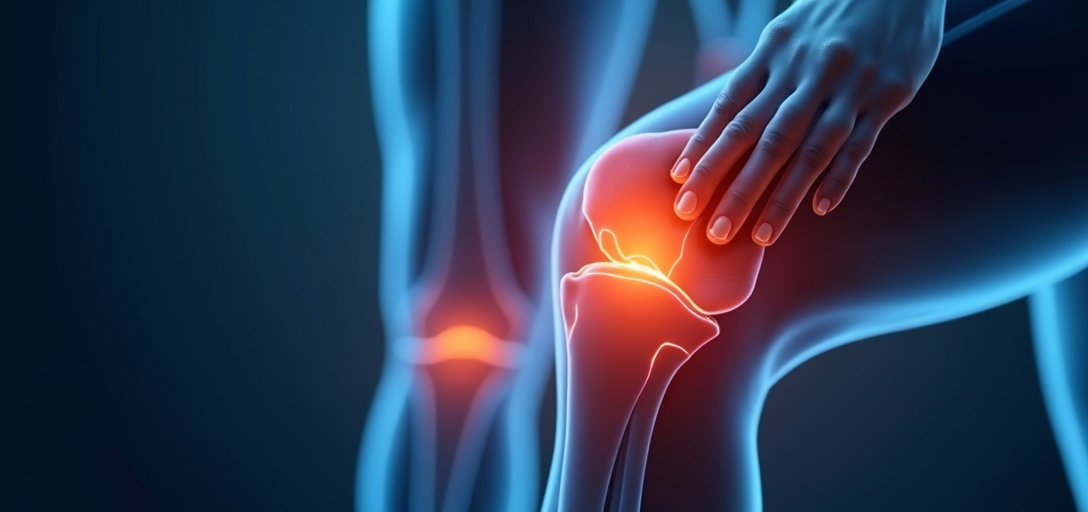
Understanding Hip and Knee Pain
Hip and knee pain are common complaints, especially as people age or engage in strenuous physical activities. The pain can range from mild to debilitating, making everyday tasks challenging. According to a 2026 report from the American Academy of Orthopaedic Surgeons, nearly 30% of adults in the US experience chronic pain in these joints. Understanding the root causes and exploring non-surgical options for relief is crucial.
Common Causes of Hip and Knee Pain
The causes of hip and knee pain can vary widely and may include:
- Osteoarthritis: This degenerative joint disease is the most common type of arthritis, leading to pain and stiffness.
- Bursitis: Inflammation of the small fluid-filled sacs that cushion bones, tendons, and muscles.
- Tendinitis: Inflammation or irritation of the tendons, often due to overuse.
- Meniscal Tears: These are injuries to the knee's cartilage that can be caused by sports, accidents, or age-related wear.
- Labral Tears: Damage to the cartilage in the hip joint can lead to pain and instability.
Non-Surgical Pain Relief Methods
While surgery is often seen as a last resort, there are many non-surgical approaches to managing hip and knee pain effectively. In 2026, advancements in physical therapy and alternative therapies have provided relief for many without the risks associated with surgery.
Physical Therapy
Customized physical therapy programs can enhance joint function and reduce pain. These programs typically include:
- Strengthening Exercises: Targeting specific muscles to support joints better.
- Flexibility Exercises: Improving range of motion to reduce stiffness.
- Balance and Coordination Activities: Helping prevent falls and injuries.
Research by the National Institute of Health in 2026 shows that patients participating in structured physical therapy programs report a 40% reduction in pain within four weeks.
Medication
Over-the-counter and prescription medications are often used to manage pain and inflammation.
- NSAIDs: Nonsteroidal anti-inflammatory drugs like ibuprofen can help reduce inflammation and pain.
- Topical Analgesics: Creams and patches applied directly to the skin can mitigate pain locally.
- Corticosteroid Injections: These are used in cases of severe inflammation but are not a long-term solution.
Always consult with a healthcare provider before starting any medication regimen to ensure it is safe and appropriate for your condition.
Alternative Therapies
Several alternative treatments can complement traditional methods:
- Acupuncture: This ancient practice can promote pain relief through strategic needle placement.
- Chiropractic Care: Adjustments can improve joint alignment and function.
- Massage Therapy: This can relieve tension, reduce stress, and improve circulation.
A study from the Journal of Pain Management in 2026 indicates that combining these therapies can enhance overall pain management effectiveness by up to 50%.
Home Remedies and Lifestyle Changes
Incorporating simple lifestyle modifications can significantly impact pain levels:
- Weight Management: Maintaining a healthy weight reduces stress on joints.
- Regular Low-impact Exercise: Activities like swimming or cycling can keep joints mobile without excessive strain.
- Dietary Adjustments: Consuming anti-inflammatory foods such as omega-3 fatty acids, fruits, and vegetables can reduce pain.
- Hot and Cold Therapy: Alternating between heat and cold packs can alleviate pain and swelling.
Integrating these changes into daily life can help maintain joint health and prevent further deterioration.
When to Consider Surgery
While non-surgical treatments are effective for many, surgery might be necessary in certain circumstances. Conditions that might require surgical intervention include severe osteoarthritis, significant trauma, or irreparable tears.
According to the Orthopaedic Research Society's 2026 data, about 15% of patients eventually require surgery after exhausting other options. It's essential to work with a healthcare team to determine the best course of action.
Conclusion
Managing hip and knee pain effectively is possible without immediately resorting to surgery. By understanding the causes and options for non-surgical interventions, individuals can make informed decisions about their health. Always consult professionals and consider a multi-faceted approach combining physical therapy, medication, alternative therapies, and lifestyle changes for optimal results.