Effective Strategies for Keeping Your Livestock Hydrated During Summer Heat
Discover the best practices to keep your livestock hydrated this summer, reduce heat stress and promote well-being. With temperatures soaring, ensuring livestock hydration is essential for their health.
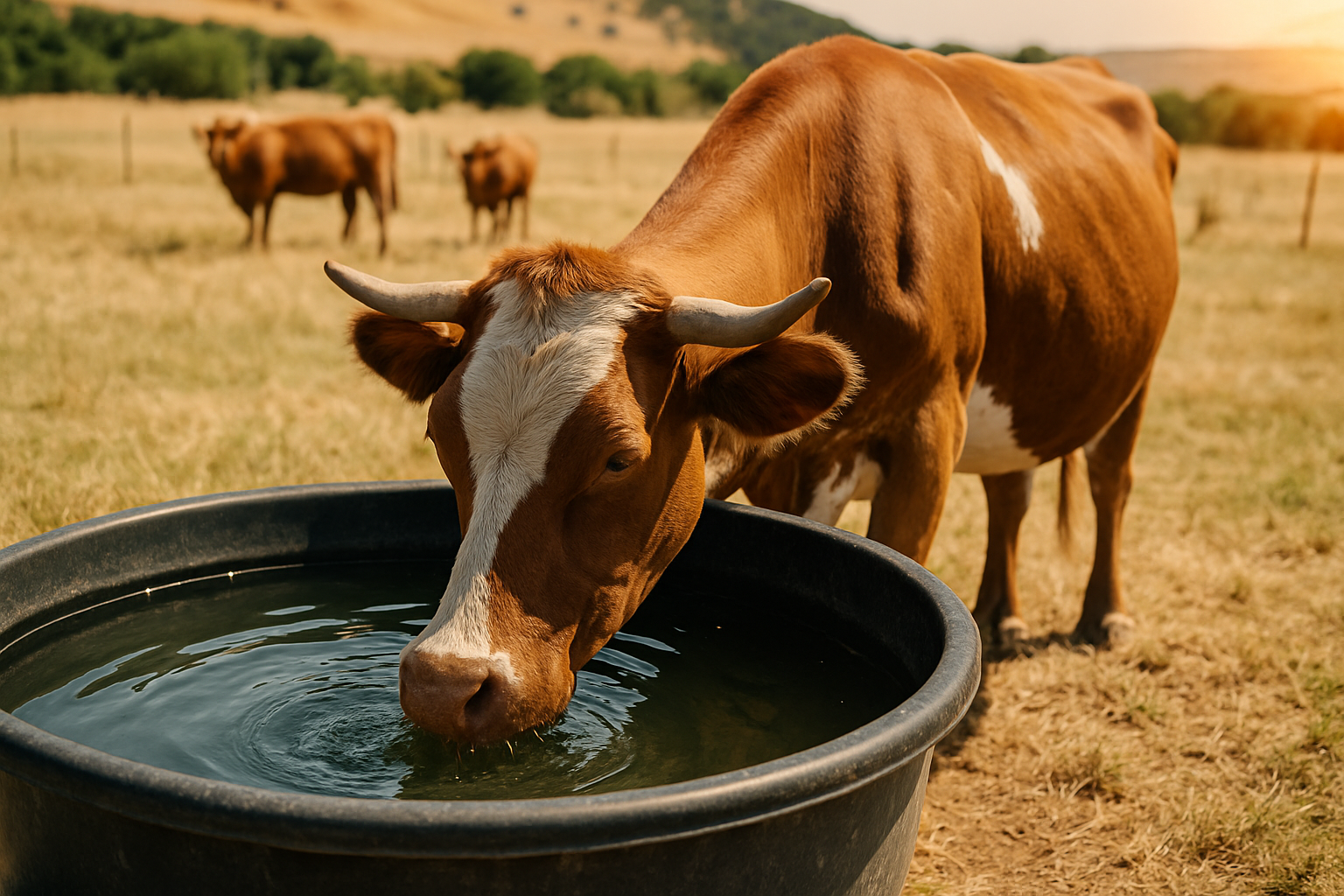
The Importance of Livestock Hydration
Keeping your livestock hydrated during the hot summer months is critical to ensuring their health and productivity. Most livestock diseases are linked to water intake issues, highlighting the need for adequate hydration when temperatures rise. Dehydration not only affects the overall wellbeing of animals but also impacts their growth, milk production, and reproductive capabilities. To avoid these issues, it’s important for farmers and livestock managers to have a solid understanding of hydration needs.
Signs of Dehydration in Livestock
Recognizing dehydration early can prevent severe health problems. Key signs to watch for include:
- Decreased feed intake
- Sunken eyes
- Poor coat condition
- Increased heart and respiration rates
- Dry mucous membranes
- Reduced milk yield in dairy animals
How Much Water Do Different Livestock Need?
Different types of livestock have varying hydration requirements. Here are some general guidelines based on current standards:
- Cattle: On average, beef cattle require about 5 to 10 gallons of water per day, while dairy cows may need as much as 20 gallons, depending on their size and productivity.
- Sheep and Goats: Typically need about 1-2 gallons of water daily. During lactation, requirements may increase.
- Pigs: On average, pigs need about 2 to 5 gallons of water per day.
- Poultry: Chickens usually require about 5 ounces of water daily, but this can increase under hotter conditions.
Strategies to Keep Livestock Hydrated
Providing Adequate Water Sources
One of the primary strategies for keeping livestock hydrated is ensuring easy access to fresh, clean water. This means maintaining water troughs and tanks, checking for debris, and preventing algae growth. Automatic waterers can be very effective for this purpose.
Encouraging Regular Drinking
Encourage livestock to drink by placing water sources in shaded areas to keep the water cool. During peak heat, animals are less likely to drink warm water, so adding ice or implementing a cooling system can improve consumption rates.
Monitoring and Maintenance
Regularly check water sources for cleanliness and functionality. Water quality is paramount; contamination can reduce intake or lead to disease. Installing filtration systems can ensure high-quality water.
Innovative Solutions in Livestock Hydration
Innovation in agricultural technology is playing a crucial role in livestock hydration. Current advancements include:
- Smart Water Sensors: These devices monitor water levels and quality, alerting farmers of any deviations from the norm, ensuring proactive water management.
- Automated Drinking Systems: Systems that dispense water based on preset schedules or animal demand, found effective in several agricultural studies.
- Weather Forecast Integration: Using weather data, farmers can anticipate hotter periods and adjust hydration strategies in advance.
Conclusion
Understanding and addressing the hydration needs of livestock during the summer months is a foundational aspect of livestock management. With climate predictions suggesting hotter, longer summers, proactive strategies and harnessing technology will be paramount in ensuring livestock health and productivity. As innovations continue to emerge, staying informed and adaptive will help farmers successfully manage their livestock hydration requirements, safeguarding their livelihoods and animal welfare.