Effective Strategies for Managing Inflammation in Ulcerative Colitis
Discover effective ways to manage inflammation in ulcerative colitis. Explore dietary adjustments and lifestyle tips that may help soothe symptoms without promising miracles.
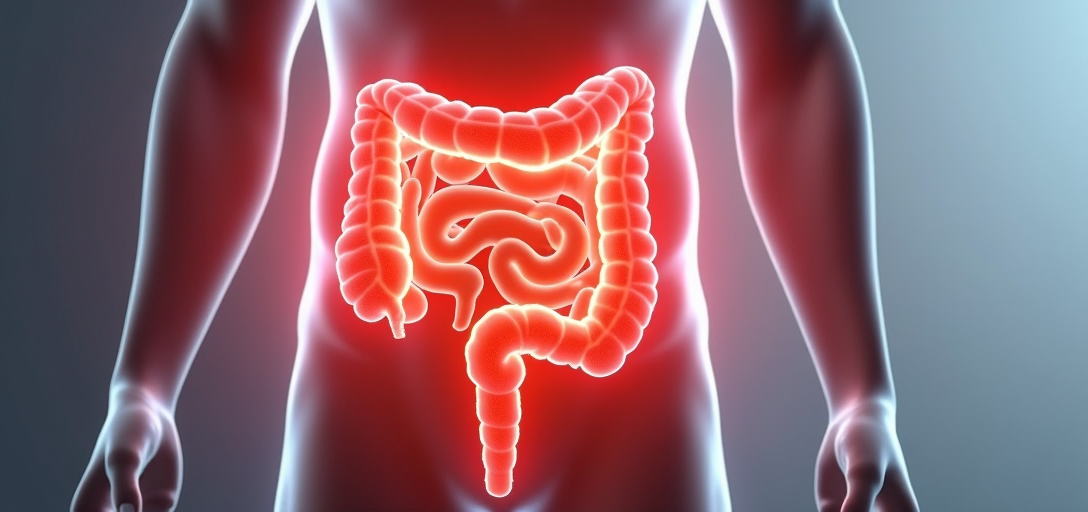
Understanding Ulcerative Colitis and Its Inflammatory Nature
Ulcerative colitis is a chronic inflammatory bowel disease (IBD) that primarily affects the colon and rectum. This condition is characterized by the inflammation of the innermost lining of the large intestine, leading to painful ulcers and a host of other symptoms. Managing inflammation in ulcerative colitis is crucial because chronic inflammation can lead to more severe complications, such as an increased risk of colon cancer.
What Causes Inflammation in Ulcerative Colitis?
While the exact cause of ulcerative colitis remains unknown, researchers believe it is linked to a combination of genetic, environmental, and immune system factors. When a person with ulcerative colitis is exposed to certain triggers such as diet, stress, or infections, their immune system may overreact, leading to inflammation. Understanding and identifying these triggers can help in managing the condition more effectively.
Lifestyle Modifications to Manage Inflammation
Adopting an Anti-Inflammatory Diet
One of the most effective ways to manage inflammation in ulcerative colitis is through dietary changes:
- Incorporate Omega-3 Fatty Acids: Found in fish like salmon and mackerel, these healthy fats can help reduce inflammation.
- Eat Fiber-Rich Foods: Soluble fiber found in foods like oats, apples, and carrots can help improve bowel health.
- Avoid Trigger Foods: Common triggers include dairy, spicy foods, and processed foods.
Regular Physical Activity
Engaging in regular exercise can help reduce inflammation by improving overall health and reducing stress levels, which are known to exacerbate UC symptoms. Activities such as walking, swimming, and yoga are particularly beneficial for individuals with ulcerative colitis.
Medication and Treatment Options
Medications to Control Inflammation
Various medications are available to help manage ulcerative colitis. Their primary goal is to reduce inflammation and maintain remission:
- Aminosalicylates: These are typically the first line of treatment for mild to moderate ulcerative colitis.
- Corticosteroids: Used for short-term relief of severe symptoms, these drugs can quickly reduce inflammation.
- Immunomodulators: These are used to modify the immune system and can be effective in achieving long-term remission.
- Biologics: Advanced therapies targeting specific pathways of the immune system, providing targeted treatment for inflammation.
Innovative Treatments in 2026
As of 2026, innovative treatments such as Janus kinase (JAK) inhibitors have shown promise. These drugs work by blocking specific enzymes that contribute to the inflammatory process. Recent studies published in the Nature Journal highlight the success of clinical trials showcasing positive outcomes in reducing inflammation with these newer medications.
Role of Mental Health in Managing Ulcerative Colitis
Mental health plays a significant role in managing ulcerative colitis. Stress and anxiety can exacerbate symptoms and trigger flare-ups, which in turn can impact a person’s quality of life. Strategies for managing stress include:
- Cognitive Behavioral Therapy (CBT): Proven to help patients develop coping strategies and manage their emotional response to the disease.
- Mindfulness and Meditation: Practices that can reduce stress and promote relaxation.
- Support Groups: Joining groups provides emotional support and shared coping strategies among individuals facing similar challenges.
Regular Health Monitoring and Check-ups
Continuous monitoring and regular check-ups with healthcare providers are essential for managing ulcerative colitis. This includes routine colonoscopy to monitor disease progression and detect any complications early. According to a report from the CDC, early detection and regular monitoring present the best chance for maintaining health and minimizing inflammation.
Future Outlook
The future of managing inflammation in ulcerative colitis appears hopeful with advancements in medication and a better understanding of lifestyle factors that can aid in symptom control. Collaboration between healthcare professionals and patients to personalize treatment and engage in proactive management strategies is crucial. As research continues to evolve, staying informed and adapting to new insights will be key to living well with ulcerative colitis in the coming years.