Effective Strategies to Help You Fall Asleep When You've Been Awake Too Long
Struggling to fall asleep after 20 minutes can be frustrating, but there are helpful steps you can take. When you can't fall asleep after 20 minutes, it might be time to try a new bedtime routine or relaxation techniques. Explore gentle activities like reading or meditation to encourage sleepiness.
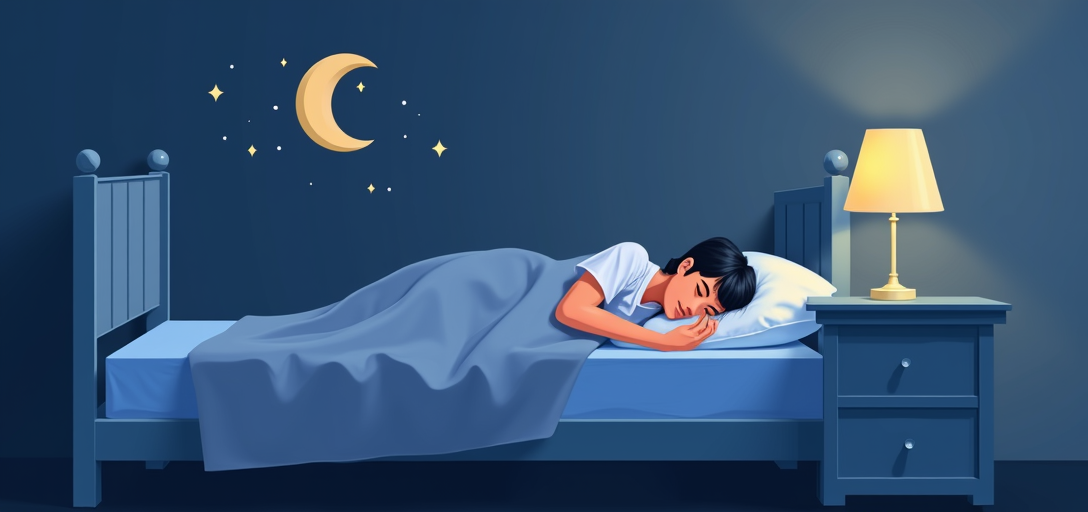
Understanding Sleep: Why Can't You Fall Asleep?
Falling asleep is not just about laying your head on the pillow and closing your eyes. Various factors, such as stress, environment, and lifestyle, play a significant role in sleep quality. According to the American Sleep Association, about 50-70 million US adults have a sleep disorder. Before we delve into solutions, let's understand why falling asleep can be challenging for some individuals.
- Stress and Anxiety: Stress and anxiety trigger the release of cortisols, awakening hormones that prepare the body for fight or flight. High cortisol levels can hinder the ability to relax and fall asleep.
- Stimulation from Electronics: The National Sleep Foundation highlights that screens emit blue light, disrupting melatonin production, an essential hormone for sleep regulation.
- Inconsistent Sleep Schedules: Our bodies thrive on routine. Irregular sleep times disturb the body’s natural circadian rhythm, making it difficult to fall asleep quickly.
- Caffeine and Nicotine: Both substances are stimulants and can delay sleep if consumed too close to bedtime.
What To Do If You Can't Fall Asleep After 20 Minutes
The common advice is to get out of bed if you can't fall asleep after 20 minutes. This prevents a negative association between the bed and sleeplessness. But what should you do during this time? Here are some recommendations that may help reset your mind and promote relaxation.
Engage in a Relaxing Activity
Choose an activity that calms your mind and body. Consider doing gentle stretches or meditation. Activities like these help redirect focus from racing thoughts to the present moment.
Read a Book
Pick up a physical book or an audiobook. Opt for genres that are calming or at least not too stimulating. Reading is a great distraction that can tire your eyes and make you feel more sleepy.
Practice Deep Breathing or Visualization
Deep breathing exercises can slow down the heart rate and promote relaxation. An easy method is the 4-7-8 breathing technique. Inhale for four seconds, hold for seven, and exhale for eight. Addition to this, try visualization techniques like imagining a peaceful scene to divert your attention from stressors.
Write in a Sleep Journal
Keep a sleep journal by your bed. Write down any worries or to-dos that might be lingering in your mind. This act can reduce nighttime anxiety and act as a mental release.
Creating an Ideal Sleep Environment
The sleep environment significantly influences the ability to fall asleep and remain asleep. According to a 2026 study published in the Journal of Clinical Sleep Medicine, optimizing sleep settings can improve sleep quality by up to 75%. Here are some practical ways to craft the optimal sleeping environment:
- Comfortable Mattress and Pillows: Invest in a mattress and pillows that provide proper support and comfort. Assessing your sleep position preferences can guide you in selecting what fits best for you.
- Temperature Control: Maintain a cool room temperature, ideally between 60-67°F, which is conducive to sleep.
- Minimal Light Exposure: Use blackout curtains or eye masks to eliminate light, supporting melatonin production.
- White Noise Machines: These can block out disruptive noises from the outside and promote relaxation.
- Aromatherapy: Utilize essential oils such as lavender or chamomile, known for their calming effects, to create a relaxing atmosphere.
The Importance of a Sleep Routine
Developing a consistent sleep routine is vital for signaling the body that it's time for bed. Research from the Sleep Foundation in 2026 shows that individuals with regular sleep patterns have better overall well-being and cognitive function. Here’s how to build an effective sleep routine:
Set a Bedtime and Wake Time
Go to bed and wake up at the same time every day, even on weekends. This consistency strengthens your body's circadian rhythm, enhancing the quality of your sleep.
Establish a Pre-Sleep Wind-Down
Develop a series of calming activities before bed, such as taking a warm bath, practicing yoga, or reflecting on the day’s positive aspects. These rituals can cue your body for rest.
When to Seek Professional Advice
If sleep issues persist despite adopting better habits, it may be time to consult a professional. Chronic insomnia or other sleep disorders can adversely affect health. The Mayo Clinic emphasizes seeking medical guidance if sleep difficulties disrupt daily life.
- Sleep Apnea: Symptoms include loud snoring or waking up gasping for air.
- Insomnia: Characterized by persistent difficulty falling or staying asleep.
- Restless Leg Syndrome: An uncontrollable urge to move your legs, often disrupting sleep.
Sleep specialists can offer comprehensive assessments and tailored treatment plans, potentially including cognitive behavioral therapy or prescribed medications.
Conclusion
Achieving better sleep starts with understanding the elements that contribute to difficulties and taking proactive steps to enhance your environment and routines. While resolving sleep problems takes dedication and may involve some trial and error, the rewards of improved mental and physical health are well worth the effort. Remember, if you're still facing challenges, don't hesitate to seek professional help. Prioritizing sleep means prioritizing your well-being.