Effective Strategies to Keep Common Household Pests at Bay
Looking to keep common household pests at bay? Our latest article shares insightful tips to help reduce the likelihood of pesky invaders settling in your home. Discover preventative strategies and learn what steps you can take to minimize their presence.
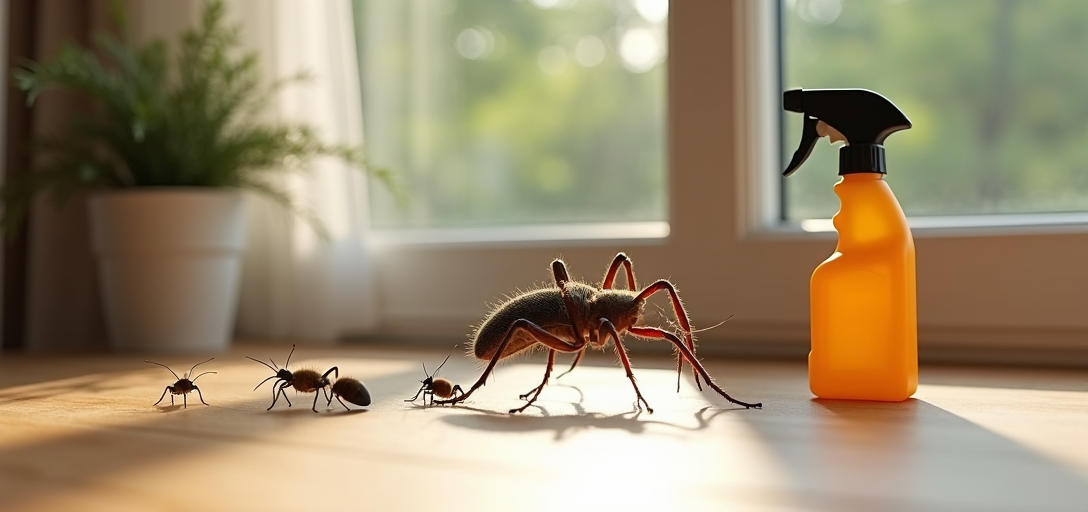
Understanding Common Household Pests and Their Prevention
The presence of pests in homes is not just a minor inconvenience; it can pose significant health and safety risks. As we delve into 2026, it's crucial to note that pest control requires continuous vigilance, especially as some pests have adapted to traditional methods of control. This guide will address common household pests typically found in the United States, explain why they appear, and offer effective prevention strategies.
What are the Most Common Household Pests in the US?
Before we can prevent pests effectively, it is important to know which ones commonly invade homes across the United States. According to the National Pest Management Association (NPMA), the most prevalent pests in 2026 include:
- Ants
- Bed Bugs
- Roaches
- Rodents
- Termites
Why Do Pests Invade Homes?
Pests enter homes primarily in search of food, shelter, and water. Various factors can attract pests to your home, such as:
- Unsealed food containers
- Crumbs and spills
- Standing water
- Unsealed entry points such as cracks and gaps
- Clutter that provides hiding spots
Climate change has also played a role in altering pest behaviors and life cycles. This has led to increased sightings of certain pests at unexpected times of the year.
Preventing Ant Infestations
Ants are social insects that can easily infiltrate homes in large numbers. The most effective prevention strategies include:
- Sealing all food containers and cleaning up food spills promptly.
- Using weather stripping to seal gaps around doors and windows.
- Maintaining a clean kitchen environment.
An ounce of prevention is worth a pound of cure when dealing with ants. Regularly inspect your property for signs of ant trails and treat them immediately with safe, non-toxic sprays or baits.
Strategies to Keep Bed Bugs at Bay
Bed bugs have become a particularly challenging issue in urban areas. These pests are excellent hitchhikers and can be brought into any home via luggage, clothing, used furniture, or bedding. Prevention includes:
- Inspecting hotel rooms for signs of bed bugs during travel.
- Washing and drying luggage and clothes on high heat after traveling.
- Regularly examining second-hand items before bringing them indoors.
Unfortunately, bed bugs often require professional extermination. It's advisable to contact a pest control professional if an infestation is suspected.
Controlling Cockroach Populations
Cockroaches are notorious for being resilient and difficult to eradicate. Effective prevention measures include:
- Removing food sources, especially overnight.
- Fixing leaks and eliminating excess moisture.
- Regularly taking out the garbage and using tight-fitting lids on trash cans.
Regular cleaning and maintenance can help keep these pests under control. Consider using gel baits around areas prone to infestations.
Keeping Rodents Out
Rodents not only cause damage but are also carriers of many diseases. Keeping them at bay involves:
- Sealing entry points larger than a dime with steel wool or caulk.
- Eliminating food sources by storing supplies in metal or glass containers.
- Keeping attics, basements, and crawl spaces well-ventilated and clutter-free.
Regular inspections and traps can help manage minor rodent issues, but larger infestations might require professional intervention.
Preventing Termite Damage
Termites are silent destroyers of wood structures and can cause significant damage before detection. Prevention advice includes:
- Removing wood debris and organic material from around the home's foundation.
- Ensuring proper drainage to avoid water accumulation around the foundation.
- Conducting annual termite inspections by a professional.
Implementing a proactive approach can save homeowners thousands of dollars in repair costs and multiple headaches down the line.
Final Thoughts: Your Role in Pest Prevention
While professional pest control efforts can eradicate existing problems, homeowners play a crucial role in ensuring pests do not become permanent residents. By maintaining cleanliness, sealing entry points, and staying vigilant, you can create an inhospitable environment for pests. For more in-depth studies and preventive tactics, consider visiting CDC's Pest Management Page or the EPA’s site on pest management.
Remember, prevention is an ongoing process, and adjusting practices as necessary will help protect your home from unwanted guests.