Effective Strategies to Pay Off Credit Cards and Reduce Debt Quickly
Learn realistic strategies for managing credit card debt and speeding up your path to financial freedom. In this guide, we explore practical tips on how to pay off credit cards more efficiently without overpromising quick fixes.
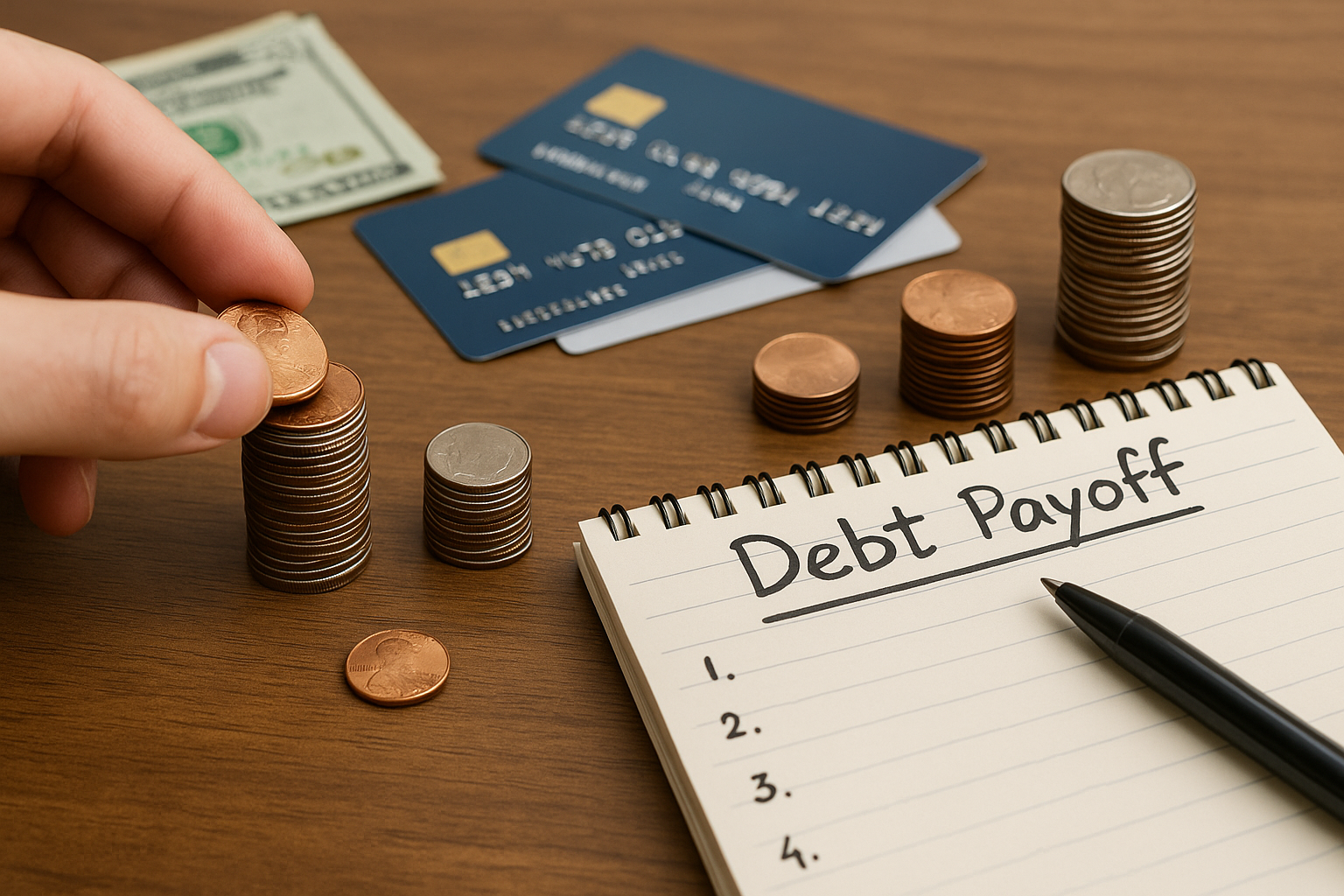
Understanding Your Debt and Credit Cards
Credit card debt can be overwhelming, but with a solid plan, you can learn how to pay off credit cards and get out of debt faster. The first step is understanding the nature of your debt and how credit cards work.
Credit card debt is a type of unsecured debt, meaning it's not backed by any collateral. This is why credit card companies often charge higher interest rates compared to other types of loans. According to a 2024 report by the Federal Reserve, Americans owe over $1 trillion on credit cards. Understanding the implications of this is critical.
Analyze Your Debt Situation
Begin by listing all your credit cards, including the balance, interest rate, and minimum payment due for each one. Use this information to analyze your overall debt situation.
- Total Balance: How much do you owe in total across all cards?
- Interest Rates: Which card has the highest interest rate? Are there any promotional rates about to end?
- Payment History: Are you making just the minimum payments, or are you able to pay more?
This evaluation will help you prioritize which debts to tackle first.
Strategies to Pay Off Credit Card Debt Faster
Once you have a clear picture of your debt, it's time to focus on strategies to pay it off faster. Implementing an effective plan can save you time and money.
Debt Snowball Method
The debt snowball method involves paying off your smallest debt first, then rolling the amount you were paying into the next smallest debt, and so on. This can be motivating and help build momentum.
Debt Avalanche Method
Conversely, the debt avalanche method strategizes paying off the debt with the highest interest rate first, saving you money on interest over time.
Balance Transfers and Consolidation
Consider a balance transfer card with a 0% introductory rate or consolidation loan. These can lower your interest payments, allowing you to pay off the principal faster. Be mindful of fees and the terms for when the promotional rate ends.
For instance, a recent 2026 study by Bankrate reveals that only 55% of balance transfers lead to timely repayment due to unplanned expenses. It's crucial to have a repayment strategy before the promotional period ends.
Creating and Sticking to a Budget
A budget is your roadmap to financial freedom. By tracking expenses and savings, you can allocate more funds towards debt repayment.
Establish a Realistic Budget
To effectively manage your finances, you need a realistic budget:
- Track Spending: Use tools or apps to monitor where your money goes each month.
- Set Priorities: Prioritize essential spending and trim unnecessary expenses.
- Allocate Funds: Dedicate a specific amount to debt repayment, increasing it whenever possible.
Creating a budget isn't just about restriction; it's about informed spending and making your money work for you.
Emergency Fund
Building a small emergency fund of $1,000 can prevent unexpected expenses from derailing your debt repayment plan. A 2026 report by Consumer Financial Protection Bureau (CFPB) found that having a small buffer reduced the likelihood of needing to take on new debt significantly.
Behavioral Shifts and Lifestyle Changes
Your mindset and lifestyle play critical roles in managing and eliminating debt.
Adopt Frugal Living Habits
Adopting frugal living habits can free up more cash for debt repayment:
- Shop with a list and avoid impulse purchases.
- Seek discounts, coupons, and cash-back options.
- Entertain at home rather than spending on costly outings.
Increase Your Income
Consider ways to increase your income, such as a side hustle or freelancing. Even a modest increase can accelerate debt repayment. According to the Bureau of Labor Statistics, the gig economy continues to offer numerous opportunities for supplementary income.
Seeking Professional Help
Sometimes, professional advice can help you devise a tailored debt repayment plan.
Credit Counseling
Nonprofit credit counseling agencies offer free or low-cost services that can help you understand and manage your debt. They can provide guidance on budgeting, debt management plans, and financial education.
Debt Settlement vs. Bankruptcy
If your debt is overwhelming, debt settlement or bankruptcy might be considered. Both options have serious repercussions and should only be taken as a last resort. Debt settlement can affect your credit score, and bankruptcy has long-lasting credit consequences.
Using these strategies, you can pay off credit cards and get out of debt faster. Change won't happen overnight, but with persistence and dedication, financial freedom is achievable.