Effective Tips for Managing and Preventing Eyelash Mites
Discover practical tips to help manage eyelash mites and promote healthier lashes. While eyelash mites are common, understanding how to keep them in check is key. Learn about simple habits and hygiene practices that can reduce the presence of these mites around your eyes.
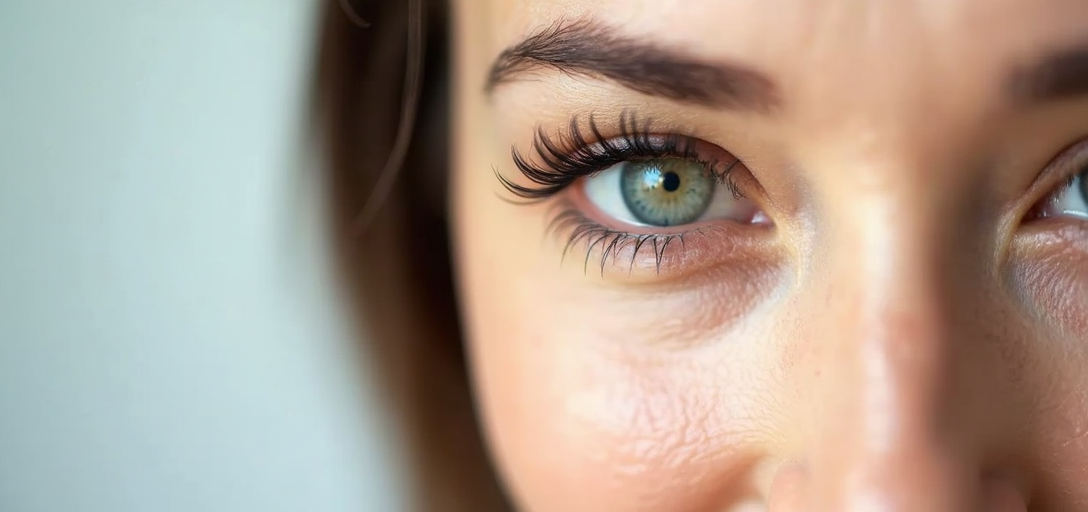
Understanding Eyelash Mites
Eyelash mites, scientifically known as Demodex, are tiny parasitic creatures that inhabit the hair follicles of your eyelashes. While they might sound alarming, these mites are quite common and, in small numbers, generally harmless. Most people have them, yet remain oblivious to their presence.
These mites feed on dead skin cells and naturally occurring oils produced by hair follicles. When their population grows excessively, you might experience irritation, itching, or even more severe skin conditions such as rosacea or blepharitis.
Types of Eyelash Mites
- Demodex folliculorum: Primarily inhabits the facial areas and often nests in the eyelashes and eyebrows.
- Demodex brevis: Lives deeper in the skin's oil glands and typically affects the sebaceous glands of hair follicles.
Symptoms of Eyelash Mite Infestation
Most of the time, eyelash mites do not cause any noticeable symptoms. However, when they multiply uncontrollably, you might observe:
- Itching and irritation around the eyes
- Redness or swelling of the eyelids
- Crusting or flakiness along the lashes
- Blurred vision or sensitivity to light
If you experience these symptoms persistently, it's wise to consult a healthcare professional to rule out other potential issues.
Causes and Risk Factors
The proliferation of eyelash mites is often linked to several factors:
- Poor hygiene: Failing to clean the face regularly can contribute to an increase in mite populations.
- Oily skin: An overproduction of oil can provide a more suitable habitat for these parasites.
- Age: Older adults tend to have a higher likelihood of mite infestation.
- Immune system: A weakened immune system could make you more susceptible to severe infestations.
Understanding these factors can help in both preventing and managing mite infestations effectively.
How to Get Rid of Eyelash Mites
Now that you are aware of what eyelash mites are and the symptoms they cause, it's important to learn how to address the issue. Here are some steps you can take:
1. Maintain Proper Eyelid Hygiene
Regular cleaning of the eyelids using gentle cleansers can significantly reduce mite populations:
- Use an eyelid scrub specifically designed to clean the lashes without causing irritation.
- Certain oils such as tea tree oil have shown effectiveness against mites; however, ensure the oil is diluted and safe for use near the eyes.
2. Consult a Dermatologist or Ophthalmologist
If over-the-counter solutions don’t seem effective, professional medical treatments may be necessary. Doctors may prescribe topical or oral treatments, depending on the severity of the infestation.
3. Improve Overall Skin Health
Adopt a skincare routine that supports skin health to prevent mite proliferation:
- Ensure a balanced diet rich in vitamins and minerals that promote healthy skin.
- Consult a dermatologist for products recommended for your skin type.
Prevention Strategies
Prevention is always better than a cure, and there are several steps you can follow to keep eyelash mites at bay:
- Regular Cleaning: Ensure nightly facial cleansing to remove oils and dirt.
- Replace Bedding: Change pillowcases and sheets regularly to reduce mite transfer.
- Avoid Sharing: Do not share mascaras, brushes, or other eye makeup tools.
- Wash Makeup Tools: Clean brushes and applicators frequently to prevent contamination.
Conclusion
While the presence of eyelash mites may sound unsettling, understanding and managing them can prevent potential discomfort or skin conditions. Maintaining good hygiene and seeking professional help when required are the most effective ways to control mite populations.
For further reading and resources, consider visiting reputable dermatological websites and guidelines from professional health organizations.