Effective Tips for Seniors to Improve Sleep Naturally
Struggling to get a good night's rest? Explore simple ways seniors can fall asleep faster without much hassle. While everyone's sleep needs differ, these strategies could help improve your nightly routine.
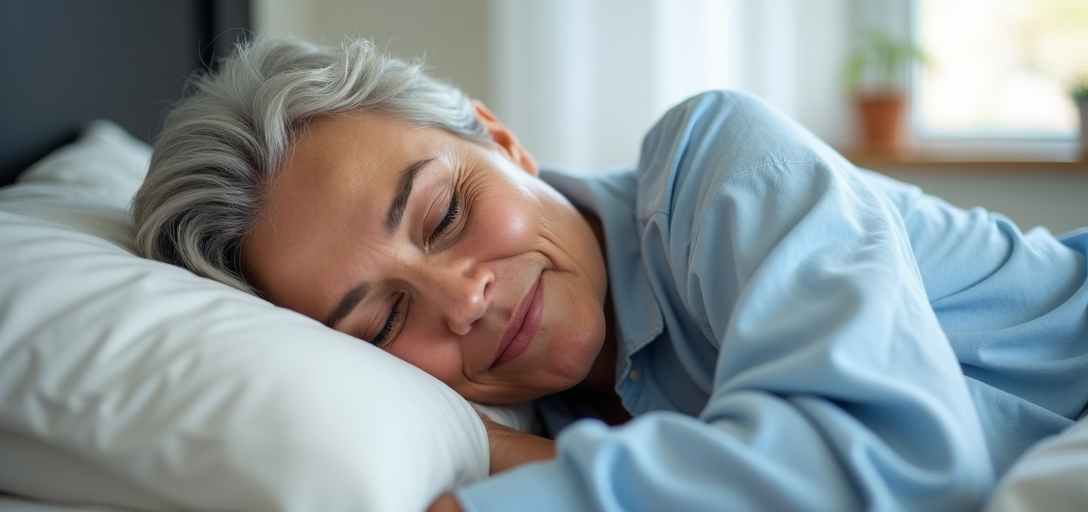
Understanding Sleep Challenges in Seniors
As people age, changes in their sleeping patterns are a common occurrence. According to recent studies conducted in 2026, around 50% of adults aged 65 and older have reported experiencing sleep disturbances. These can vary from difficulty in falling asleep, staying asleep, to waking up earlier than desired. The reasons behind these challenges can be multifaceted, often stemming from physical health issues, side effects of medications, and lifestyle changes commonly associated with older adulthood.
Why Do Seniors Struggle With Sleep?
Several factors contribute to sleep difficulties among seniors:
- Health Conditions: Conditions such as arthritis, chronic pain, diabetes, depression, and anxiety are common in seniors and can significantly hamper sleep quality.
- Medications: Many seniors are on daily medications that may have stimulating effects or other side effects that interfere with sleep.
- Changes in Sleep Architecture: Natural biological changes may cause lighter sleep and reduced time spent in the deep sleep stages.
- Lifestyle Changes: Retirement and reduced physical activity can disrupt the body's natural sleep-wake cycle.
Understanding these underlying causes is crucial in addressing sleep issues effectively.
Simple Ways Seniors Can Fall Asleep Faster
Establish a Consistent Sleep Routine
One of the most effective ways to enhance sleep quality is establishing a regular sleep schedule. Going to bed and waking up at the same time each day helps regulate the body's internal clock, making it easier to fall asleep and wake up naturally. To optimize this routine:
- Avoid napping during the day, or limit naps to 20-30 minutes early in the afternoon.
- Create a relaxing bedtime ritual, such as reading a book or taking a warm bath.
Create a Sleep-friendly Environment
The sleep environment plays a vital role in how easily one can fall asleep. Seniors should pay attention to their bedroom environment:
- Keep it Cool: Maintain a comfortable temperature, ideally around 65°F, as a cooler room is more conducive to sleep.
- Block Out Light: Use blackout curtains or a sleep mask to create a dark sleeping environment.
- Reduce Noise: Use earplugs, white noise machines, or ambient sound apps to mask disruptive sounds.
- Comfortable Bedding: Invest in supportive mattresses and pillows that cater to individual comfort needs.
Nutrition and Sleep: What to Eat and Avoid
Diet can significantly impact sleep patterns. Seniors should aim for a balanced diet and be aware of how specific foods affect their sleep:
- Limit Caffeine and Alcohol: Reduce consumption of caffeine and alcohol, especially in the afternoon and evening.
- Avoid Heavy Meals Before Bed: Large meals or spicy foods can cause discomfort and interfere with sleep.
- Include Sleep-inducing Foods: Foods like almonds, kiwis, and chamomile tea can help promote restful sleep.
The Role of Physical Activity and Relaxation Techniques
Regular Exercise
According to a 2026 survey, seniors who engage in regular physical activity are 50% more likely to report improved sleep quality. Exercise helps in reducing stress and anxiety, while also promoting deeper sleep stages. Activities like walking, swimming, or tai chi can be particularly beneficial for seniors.
Mindfulness and Relaxation
Practices like meditation and deep breathing exercises can help calm the mind and body, facilitating quicker and more restful sleep. Consider these relaxation techniques:
- Guided Meditation: Apps like Headspace or Calm provide tailored sessions for sleep.
- Progressive Muscle Relaxation: This involves tensing and then slowly relaxing each muscle group to ease physical tension.
When to Seek Professional Help
If sleep problems persist despite making lifestyle changes, it may be necessary to seek professional advice. Conditions like sleep apnea or restless legs syndrome require medical evaluation and management. Sleep specialists can offer personalized treatment plans.
Seniors and Sleep Aids
Some seniors may consider over-the-counter sleep aids or supplements like melatonin. However, it's advisable to consult with a healthcare provider before using these, as they may interact with other medications or conditions.
Conclusion
While sleep challenges are common among seniors, there are numerous simple and effective strategies to help fall asleep faster. By understanding the individual causes and implementing these lifestyle changes, seniors can significantly improve their sleep quality and overall well-being.