Effective Treatments for Eye Bags: Discover How Clinics Transform Your Look in Just 30 Minutes
Discover how US clinics are tackling eye bags swiftly and efficiently. Although results can vary, innovative procedures are making it possible to noticeably reduce eye bags in just 30 minutes. This guide explores the latest advancements and what to realistically expect from such treatments.
Understanding the Common Causes of Eye Bags
Before diving into how US clinics are tackling the issue of eye bags, it's essential to understand what causes them. Eye bags, also known as periorbital puffiness, are a common cosmetic concern among both men and women. They're usually the result of a combination of age, genetics, lifestyle factors, and several other contributors.
Age and Genetics
As we age, the supporting muscles and tissues around our eyes weaken. This can cause fat that normally helps support the eyes to form a noticeable bulge. Genetics play a significant role too. If your parents have eye bags, chances are that you might develop them as well. A 2026 study by the American Society for Dermatologic Surgery found that age-related factors account for the majority of eye bag cases in individuals over 40.
Lifestyle Factors
Lifestyle choices such as poor diet, lack of sleep, and stress can contribute to the development of eye bags. Consuming too much salt can also lead to fluid retention, making eye bags more prominent. Adequate sleep and a balanced diet are essential in minimizing these puffy eyes.
Effective Clinical Treatments for Eye Bags
In recent years, clinics across the US have developed advanced treatments that promise to reduce eye bags in as little as 30 minutes. These procedures range from non-invasive therapies to minor surgeries. Let's explore some of the most common options.
Non-Invasive Options
- Laser Therapy: This method involves using lasers to tighten the skin and improve skin texture. It's popular because it has no downtime and offers gradual, natural-looking results.
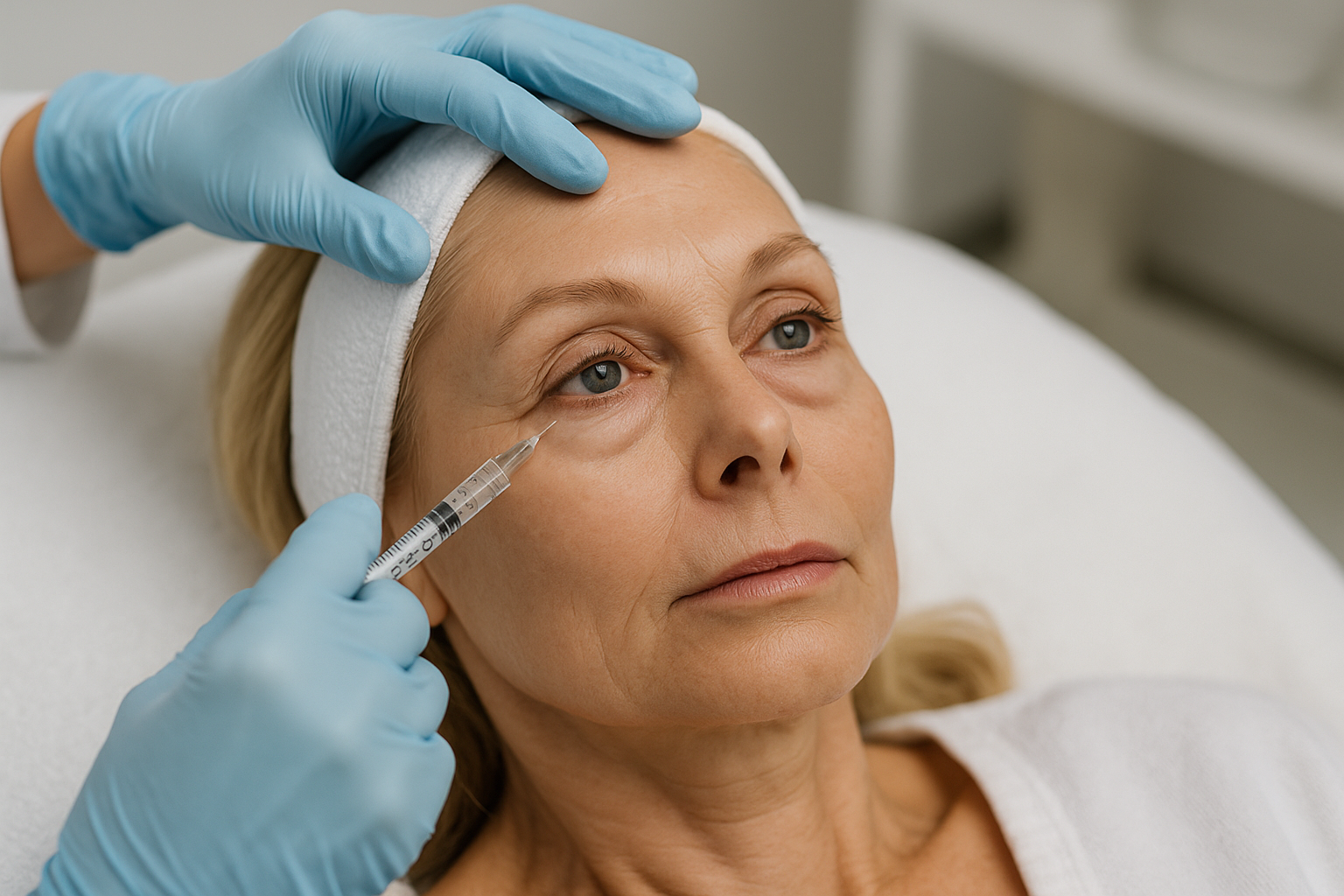
- Filler Injections: Fillers like Restylane or Juvederm are used to add volume under the eyes, smoothing out the area and reducing the appearance of bags. The process is quick, and the results can last for several months.
Surgical Options
- Blepharoplasty: This surgical procedure involves removing or repositioning fat along with the removal of excess skin and muscle. It’s more invasive than other treatments but offers longer-lasting results. According to the American Academy of Facial Plastic and Reconstructive Surgery, blepharoplasty is among the top three cosmetic surgical procedures performed in 2026.
Real-world Examples and Success Stories
Take the case of Emily S., a 45-year-old from San Diego who struggled with eye bags for years. After exploring different treatments, she opted for a combination of laser therapy and filler injections at a local clinic. Within a month, she noticed a significant reduction in puffiness, leading to increased confidence and satisfaction.
Similarly, John D., a retired teacher from Chicago, underwent blepharoplasty. John saw a dramatic change in his appearance, which helped him feel rejuvenated. John stated, “The procedure made me look more awake and I have strangers telling me I look ten years younger.”
What to Consider Before Undergoing Treatment
Deciding to undergo treatment for eye bags is personal and should involve thorough research and consultation with qualified specialists. Here are some factors to consider:
- Health Conditions: Ensure you do not have underlying health issues that could affect your recovery process.
- Cost: Treatment costs can vary significantly depending on the method and location. While non-invasive treatments might be more affordable, surgical options tend to be more expensive.
- Recovery Time: Consider how much downtime you can afford post-procedure. Non-invasive treatments typically require less recovery time compared to surgical options.
Conclusion
The advances in cosmetic treatments for reducing eye bags have made it easier to achieve refreshed, youthful eyes without extensive surgery or downtime. Understanding the causes, the available treatments, and what to expect can help you make an informed decision. Always ensure you consult with board-certified professionals to discuss your needs and find the best solution for you.
For updated statistics and more information on the effectiveness of these treatments, refer to resources like the American Society for Dermatologic Surgery and the American Academy of Facial Plastic and Reconstructive Surgery.