Effective Ways to Eliminate Fleas on Pets and Carpets Quickly
Discover effective tips to manage and reduce flea infestations on your pets and carpets. Learn safe and practical strategies to improve your home environment while keeping your pets happy and healthy. Find out what steps you can take today to minimize fleas on your pets and in your carpets.
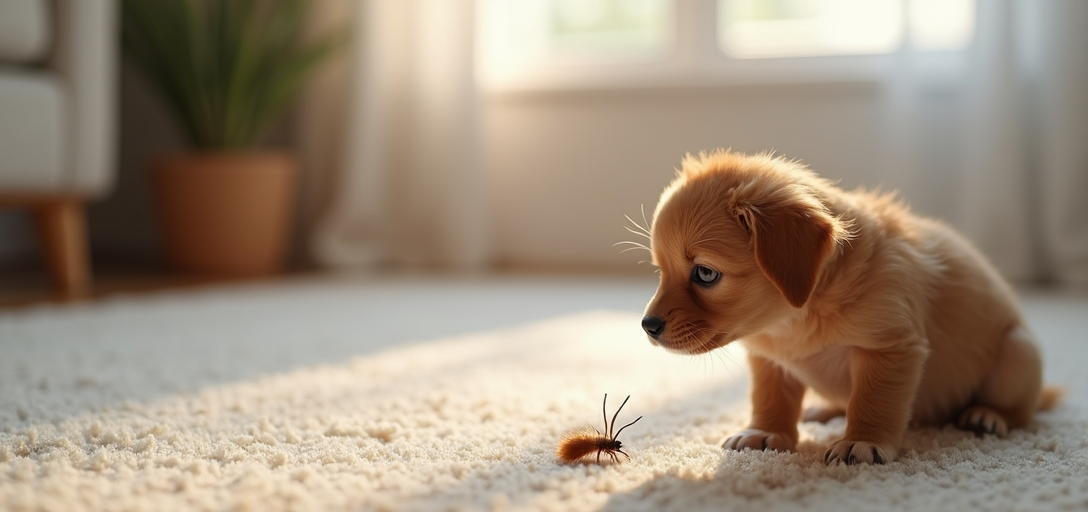
Understanding Fleas: The Unwanted Guests
Fleas are tiny, wingless insects that survive by feeding on the blood of their hosts, primarily pets such as dogs and cats. They are notorious for causing discomfort due to their itchy bites, and they can also be carriers of various diseases. Understanding how fleas operate and thrive is crucial to determining the best methods for getting rid of them instantly.
The Life Cycle of Fleas
Fleas have a complex life cycle consisting of four stages: egg, larva, pupa, and adult. Understanding this cycle can help in effectively targeting and eliminating fleas at each stage:
- Egg Stage: Female fleas can lay up to 50 eggs per day, and these eggs fall off your pet into the environment, such as carpets and bedding.
- Larva Stage: After hatching, larvae feed on organic material in the environment, including adult flea feces.
- Pupa Stage: In this stage, fleas are cocooned and can remain dormant for months.
- Adult Stage: Adult fleas emerge ready to find a host and begin the cycle anew.
Identifying Flea Infestations
Signs Your Pet Has Fleas
Pets with fleas may scratch excessively or bite at their skin. You might notice red, inflamed spots, or hair loss in areas your pet can reach to scratch or bite. A keen eye might also spot adult fleas or flea dirt (which looks like small black pepper flakes) in your pet’s fur.
Fleas in Carpets and Household Areas
Fleas can hide in carpets, upholstery, and along baseboards. You might see adult fleas jumping around, especially in areas where your pet frequent. Inability to address these hidden areas can lead to persistent infestations.
How to Get Rid of Fleas on Pets & Carpets Instantly
Treating Your Pets
There are several reliable methods to address flea infestations on your pets:
- Flea Combs: Using a fine-toothed flea comb can help remove fleas and their eggs from your pet’s fur. It's best to do this on a white sheet or towel to catch any falling fleas.
- Medication: Consult your veterinarian for effective flea treatments, including topical solutions, oral tablets, and flea collars. Modern treatments like isoxazoline-based products are very effective according to a 2026 study in pet health (source: Pet Health Source 2026).
- Baths: Bathe your pet with a flea shampoo specifically designed to kill fleas on contact. Ensure you follow the product's instructions for maximum effectiveness.
Treating Carpets and Home
Addressing fleas in the home environment is essential to prevent reinfestation:
- Vacuuming: Regularly vacuum floors, carpets, and upholstery, paying special attention to areas where your pet spends time. Empty the vacuum bag or canister frequently to prevent fleas from escaping back into your home.
- Laundering: Wash pet bedding and other washable fabric regularly in hot water to kill fleas and their eggs.
- Insecticides: Consider using a flea spray for carpets and upholstery. Products containing insect growth regulators (IGRs) can help break the flea life cycle by preventing larvae from maturing into adults (source: Pest Control Insights 2026).
- Steam Cleaning: Steam cleaning carpets and furniture can effectively kill fleas and their eggs due to the use of high temperatures.
Preventing Future Flea Infestations
Regular Maintenance Tips
Prevention is key to avoiding future flea problems:
- Consistent Pet Check-Ups: Regular vet appointments ensure your pet remains flea-free. Your vet can recommend ongoing preventive products that suit your pet’s lifestyle.
- Maintain a Clean Environment: Stick to a regular vacuuming and cleaning schedule, and keep your home clutter-free, limiting places for fleas to hide.
- Outdoor Control: Keep your yard tidy to reduce flea habitats. Trim grass and shrubs, and consider applying pet-safe outdoor flea treatments if necessary.
Conclusion
Getting rid of fleas from your pets and home is essential for your well-being and your pet's comfort. By understanding flea behavior, treating infestations effectively, and maintaining preventive measures, you can keep these persistent pests at bay. Stay informed about the latest in flea control methods and consult with veterinary experts to devise the most effective strategy for your situation.