Effective Ways to Relieve Blocked Bowel Naturally and Safely
Discover practical insights on dealing with a blocked bowel in our latest article. Understand potential causes and explore various methods to help ease symptoms associated with blocked bowel issues.
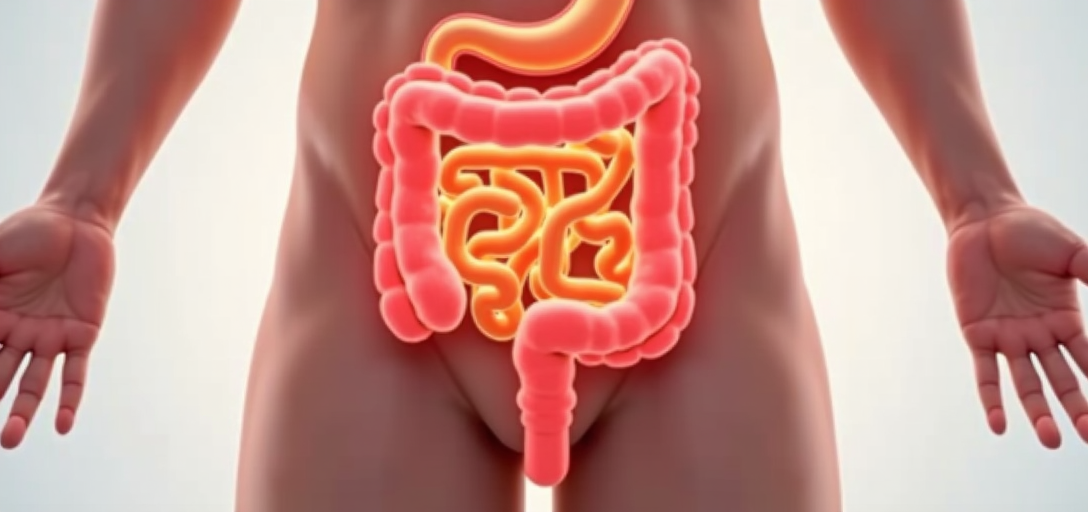
Understanding Blocked Bowels: An Overview
The human digestive system is an intricate network that plays a vital role in our overall health. A blocked bowel, also known as a bowel obstruction, is a serious condition that occurs when there's a blockage preventing the regular movement of the contents of the intestines. This can lead to severe discomfort and potentially life-threatening complications if not addressed promptly.
According to the American Gastroenterological Association, bowel obstructions are responsible for approximately 300,000 hospital admissions annually in the United States. Given the prevalence and potential risks associated with this condition, it's essential to understand its causes, symptoms, and treatment options. Let's delve deeper into how one can clear a blocked bowel and prevent further complications.
Causes of Blocked Bowels
Bowel obstructions can result from various factors, and their identification is crucial for effective treatment. Here are some common causes:
- Adhesions: These are fibrous bands of tissue that can form after surgery. They're the most common cause of small intestinal obstructions.
- Hernias: When a segment of the intestine protrudes through an area of weakened abdominal muscle, it can create an obstruction.
- Tumors: Both benign and malignant growths can block intestinal pathways.
- Diverticulitis: This condition involves inflamed pouches in the digestive tract, which can become blocked.
- Foreign bodies: Ingested objects, particularly in children, can cause a physical blockage.
Identifying the cause of an obstruction is the first step toward determining the appropriate treatment regimen.
Symptoms of Bowel Obstruction
Recognizing the symptoms of a blocked bowel can prompt timely medical intervention. Common symptoms include:
- Severe abdominal pain and cramping
- Nausea and vomiting
- Inability to pass gas or have a bowel movement
- Swelling or bloating of the abdomen
- Loss of appetite
- Constipation or diarrhea
If you experience these symptoms, especially in combination or with increasing severity, it's crucial to seek medical attention promptly.
Diagnosing a Blocked Bowel
Medical Examination and Imaging
Diagnosis usually begins with a physical examination to assess symptoms and medical history. A doctor may perform a digital rectal examination and listen for bowel sounds.
Diagnostic Tests
To confirm a blockage, healthcare providers often use various imaging tests. These include:
- X-rays: A quick and effective way to see intestinal blockages.
- CT Scans: Offers a more detailed view of the intestines and helps identify the blockage location and cause.
- Ultrasound: Frequently used for diagnosing conditions in children and pregnant women.
Such diagnostic tools help in crafting an effective treatment plan for the patient.
Treatment Options for Blocked Bowels
Non-Surgical Treatments
Depending on the severity and cause of the blockage, non-surgical interventions may be sufficient:
- Fluid Therapy: Roduces dehydration and balances electrolytes.
- Nasogastric Tube: Used to relieve pressure by removing excess gas and gastric secretions.
- Enemas: Sometimes employed to clear a blockage, especially in cases of constipation.
Surgical Intervention
For severe cases or when non-surgical methods fail, surgery may be necessary. Surgical procedures could involve removing obstructions, repairing hernias, or excising scar tissues (adhesiolysis). The type of surgery varies with the obstruction's nature and location.
Preventive Measures and Lifestyle Modifications
Dietary Adjustments
Diet plays a pivotal role in maintaining healthy digestive function. Here are some tips:
- High-Fiber Foods: Incorporate fruits, vegetables, and whole grains to promote bowel regularity.
- Adequate Hydration: Ensure sufficient water intake to prevent constipation and maintain smooth digestion.
- Avoid Trigger Foods: Certain foods may exacerbate symptoms or increase risks, particularly those high in fat and low in fiber.
Regular Physical Activity
Engaging in regular physical activity can aid digestion and prevent bowel irregularities. Aim for at least 30 minutes of moderate exercise most days of the week, as recommended by the Centers for Disease Control and Prevention (CDC).
Real-World Example: Managing Bowel Health
Consider the case of Jane, a 45-year-old office worker who recently underwent a non-invasive treatment for partial bowel obstruction. By incorporating daily walks, a high-fiber diet, and routine medical check-ups, she effectively managed her condition, ensuring that her busy lifestyle remained uninterrupted while maintaining her digestive health.
For more detailed information on bowel obstruction and treatment options, please refer to reputable sources such as the Mayo Clinic and the Merck Manuals.