Effective Ways to Remove Clover from Your Lawn While Preserving Your Grass
Discover natural and effective methods to reduce clover in your lawn without harming the grass. Managing clover can be challenging, but with the right approach, you can protect your grass while minimizing clover growth. Our guide offers tips to help you find the perfect balance for a healthier lawn.
Understanding Clover and Its Place in Your Lawn
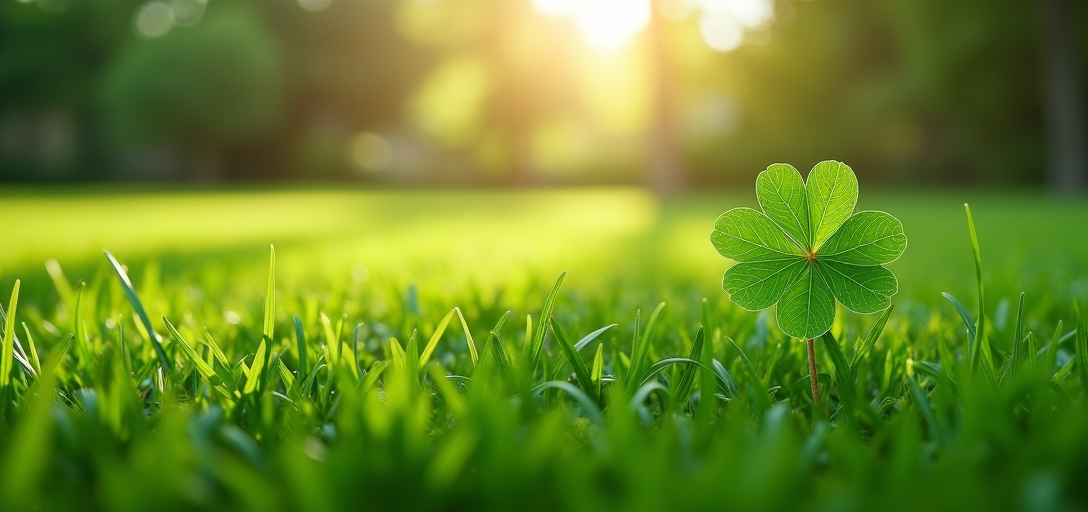
Clover, particularly white clover (Trifolium repens), is a common sight in many American lawns. While some homeowners embrace its presence for its natural aesthetic and ecological benefits, others seek ways to remove it to ensure a uniform grass lawn. Before diving into methods of elimination, it's important to understand what clover is, its benefits, and why it might be thriving in your lawn.
Clover is a resilient perennial weed that is known for its ability to fix nitrogen in the soil, a trait that benefits nearby plants by enriching the soil. However, its rapid spread and dense growth can crowd out grass, leading to patches. Clover often thrives in lawns with nutrient deficiencies, particularly nitrogen. Thus, understanding clover's preferences and the conditions under which it flourishes is key to effectively managing it.
Why Is It Important To Remove Clover Without Harming Grass?
Manual removal or chemical treatments that indiscriminately target weeds can also damage grass, leading to bare patches and soil erosion, which can be counterproductive to maintaining a healthy lawn. Hence, strategies that specifically target clover without harming grass are crucial for sustainable lawn care. Such strategies not only preserve the aesthetic value of your lawn but also maintain its ecological balance.
Benefits of Grass Over Clover
- Consistent Aesthetic: Grass provides a smoother, more uniform appearance that many homeowners prefer.
- Durability: High-quality grass varieties are durable and can withstand foot traffic better than clover.
- Invasive Growth Control: Grass blends often include varieties that form a dense root network, preventing the invasion of weeds or clover.
Natural Methods to Eliminate Clover
Using natural methods is a preferred approach for environmentally-conscious homeowners. These methods avoid the scattergun effects of chemicals and promote lawn health.
Increasing Soil Fertility
As clover thrives in low-nitrogen environments, improving soil fertility is one of the most effective ways to discourage its growth. Regular fertilization with a nitrogen-rich fertilizer can promote grass growth to outcompete clover. The use of organic fertilizers is strongly recommended as they provide a slow release of nutrients over time, reducing the chances of run-off and further environmental impact.
Manual Removal Techniques
Hand pulling clover is effective for smaller infestations. This approach involves pulling the plant from the base, ensuring to remove the entire root system to prevent regrowth. It is advisable to conduct manual removal when the soil is moist to prevent roots from breaking. This labor-intensive method is best for those dedicated to hands-on lawn care.
Using Chemical Interventions Wisely
When natural methods aren't enough, chemical interventions can be employed, but they require careful application to avoid damaging your lawn.
Selective Herbicides
Selective herbicides are designed to target broadleaf plants like clover while sparing most types of grass. Products containing Dicamba, Mecoprop, or 2,4-D can be effective against clover. When applying, follow instructions meticulously to ensure safety and effectiveness. It is recommended to apply in early spring or fall when clover is actively growing but not yet too established.
Preventative Measures and Maintenance
Prevention is better than cure. Ongoing lawn maintenance can prevent clover from taking hold in the first place, ensuring a lush, healthy lawn.
Aeration and Overseeding
Aerating your lawn helps to improve soil compaction, allowing grass roots to grow deeper and stronger. This can discourage clover, which lacks the deeper root systems of grass. Following aeration with overseeding introduces more grass species, creating a dense network that can outcompete clover for nutrients and sunlight. The best time for this is late spring when temperatures are rising, giving grass the optimal growth conditions.
Proper Mowing Techniques
Raise your mower's blade to keep grass around three inches high. Taller grass shades the soil, preventing clover and other sunlight-dependent weeds from thriving. Additionally, rather than raking up clippings, use a mulching mower to return them to the lawn, recycling nutrients naturally.
Conclusion: Balancing Beauty and Ecology
Eliminating clover from your lawn without harming grass involves a delicate balance of cultural practices, proper maintenance, and selective interventions. By understanding clover's nature and the benefits of a balanced approach, you can enjoy a healthy, vibrant lawn that meets both your aesthetic and ecological goals. Whether you're a dedicated DIY gardener or prefer the guidance of professional services, these strategies offer a blueprint for lawn success in the changing climate and changing times of 2026.