Effective Ways to Tackle Stubborn Grease and Oil Stains in Your Laundry Routine
Struggling with stubborn, setin grease and oil stains? Discover practical tips that could help tackle these common laundry challenges. With the right approach, you might find a way to reduce or minimize the appearance of these pesky stains on fabrics, maintaining your clothes' freshness.
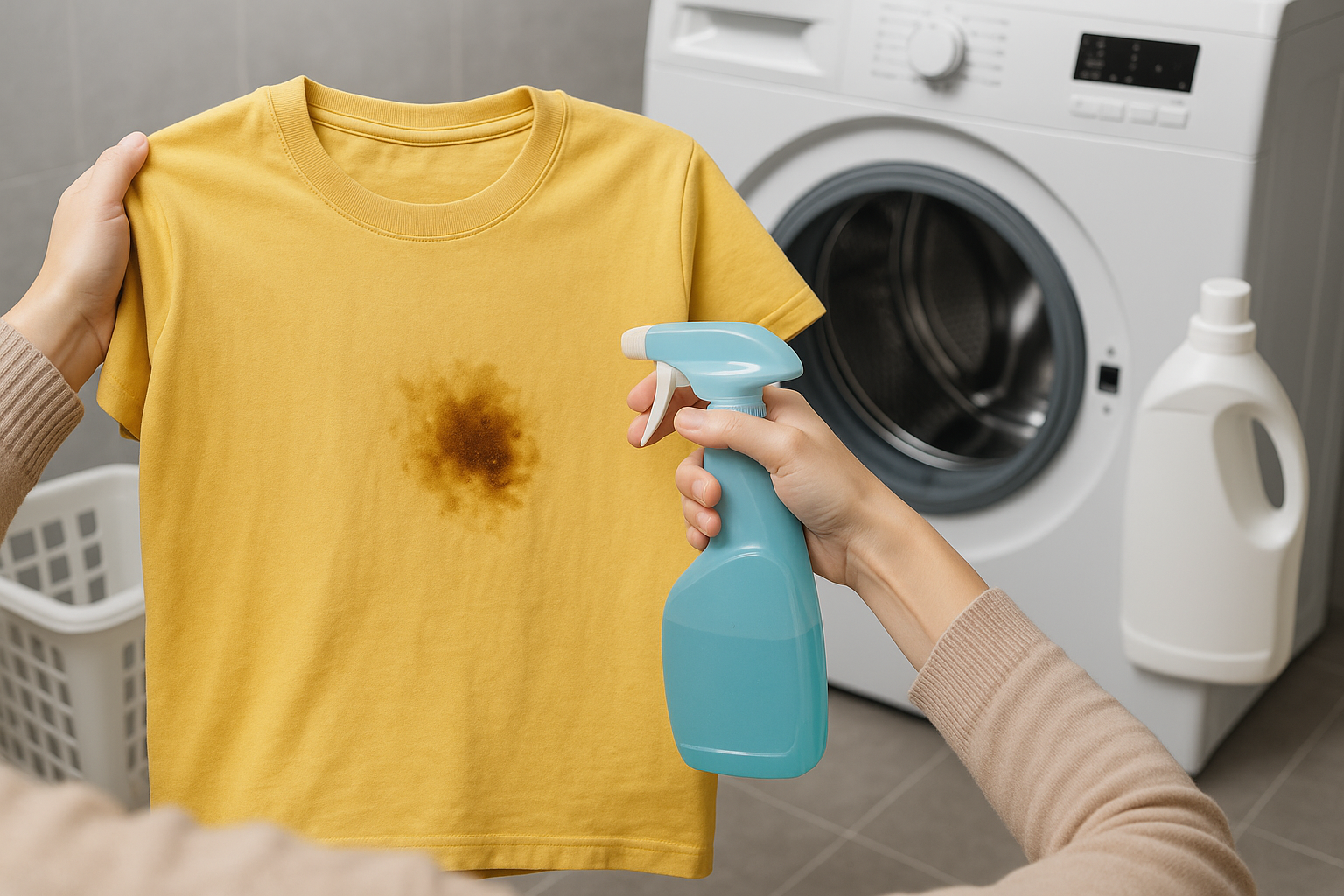
Understanding Stubborn, Set-in Grease and Oil Stains
Grease and oil stains are among the most challenging types of stains to remove. Originating from food splatters, cooking mishaps, or mechanical work, these stains are notorious for binding tightly to fabric fibers. The composition of grease and oil—consisting of lipophilic molecules—means they have an affinity for other oily substances, which makes them difficult to wash out with just water and standard detergents.
When these stains are set-in—meaning they’ve been exposed to heat or time—they become even more challenging and require a strategic approach to removal.
Identifying Stubborn Grease and Oil Stains
Identifying whether a stain is grease or oil-based involves asking three questions:
- Does the stain have a glossy or wet appearance?
- Is there a noticeable darkening of the fabric?
- Did the stain come from a known oily or fatty source?
If you answered "yes" to these questions, you likely have a grease or oil stain that needs careful treatment.
Tools and Materials Needed for Stain Removal
Essential Materials
Before tackling these stubborn stains, gather the following items:
- Dish Soap: Known for its grease-cutting properties, dish soap can penetrate oil molecules and lift them from fabric fibers.
- Baking Soda: A natural abrasive and absorbent, baking soda helps in scrubbing away stains and absorbing excess oil.
- White Vinegar: Acts as a mild acid, which helps to break down oils and remove any remaining residue.
- Rubbing Alcohol (Isopropyl): Known for its evaporative and dissolving properties, making it suitable for removing oils.
- Laundry Detergent: A robust cleaner for general dirt and to wash away loosened stains.
Step-by-Step Guide to Removing Grease and Oil Stains
Step 1: Act Quickly
If possible, treat the stain immediately. Fresh stains are significantly easier to remove than those that have set over time. Begin by blotting excess oil with a paper towel without rubbing, which could spread the stain.
Step 2: Pre-treat with Dish Soap
Apply a few drops of dish soap directly onto the stain. Using a soft brush or your fingers, work the soap into the fabric gently. Allow it to sit for at least 5 minutes to penetrate the fibers.
Step 3: Apply Baking Soda
Sprinkle a generous amount of baking soda over the soaped area. Baking soda will absorb the oil and soap mixture. Let it sit for about 15 minutes before brushing it off.
Step 4: Use Rubbing Alcohol
Pour a small amount of rubbing alcohol onto a clean cloth and dab it onto the stain. Isopropyl alcohol will dissolve the leftover oil particles that have penetrated deeply into the fabric.
Step 5: Wash with Laundry Detergent
Finally, launder the garment in the hottest water safe for the fabric using a high-quality laundry detergent. Hot water will help dissolve residual oils more effectively.
Tips for Preventing Set-in Grease and Oil Stains
To further reduce the hassle of dealing with these persistent stains, consider the following preventive measures:
- Wear an apron or protective clothing while cooking or working with greasy materials.
- Use absorbent materials like paper towels immediately to soak up excess oil before it soaks deeper into the fabric.
- Regularly wash clothing or textiles that are exposed to oils to prevent buildup over time.
Frequently Asked Questions
Can I use a dryer after treating the stain?
After treating a grease or oil stain, it's advisable to air dry the fabric first. The heat from the dryer can cause any untreated remnants to set further into the fabric, making them much more challenging to remove.
What if the stain isn't fully removed after one wash?
If the stain persists, repeat the treatment process. Sometimes, multiple applications are necessary, especially for deep or large stains.
Are there specific materials more prone to oil stains?
Naturally absorbent fabrics like cotton and linen tend to show oil stains more prominently and can be more challenging to clean than synthetic fibers.
Conclusion
Tackling stubborn, set-in grease, and oil stains from clothes may seem daunting, but with the right approach and tools, it is entirely achievable. By understanding the nature of these stains and using a step-by-step method, you can restore your clothes to their former glory.
For additional expert cleaning advice, check sources like the American Cleaning Institute or consumer reports that cover stain removal techniques and product reviews for the latest cleaning solutions in 2026.