Electricians Expose the Top 7 Electrical Hazards in Older Homes
Discover the top electrical problems commonly found by electricians in older homes. Aging wiring, outdated circuits, and insufficient grounding can pose significant safety risks. Learn what experts recommend to keep your home safe and efficient.
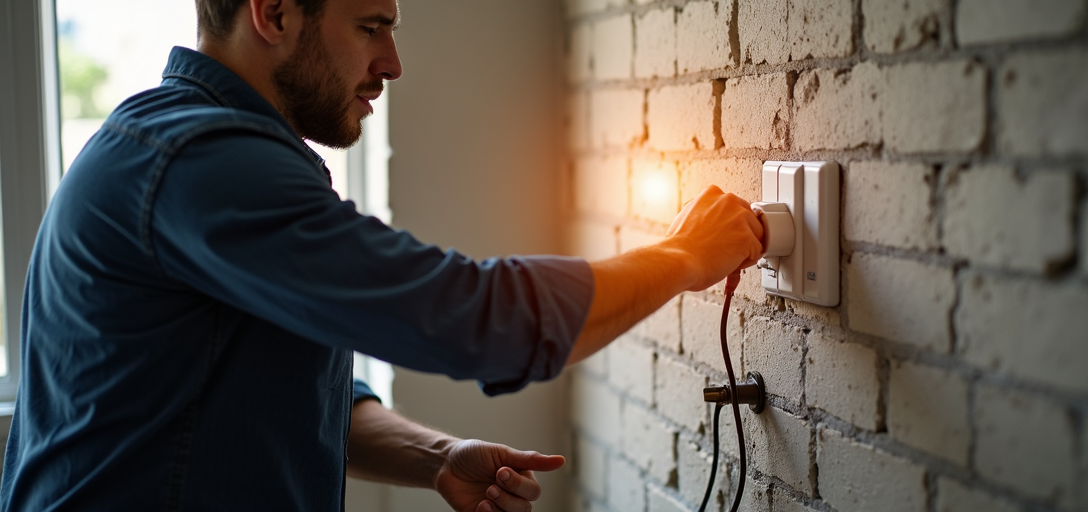
Understanding Common Electrical Problems in Older US Homes
Older homes possess a unique charm, but they often come with their own set of electrical challenges that can pose risks to safety and functionality. This article delves into common electrical issues found in these older structures and provides insights into how homeowners can address them effectively.
The Rise of Electrical Problems in Older Homes
As electrical demands grow with technological advancement, many older homes in the US are left struggling to keep up. Homes built before the 1970s often have outdated electrical systems that are not equipped to handle modern appliances and electronics.
- Outdated Wiring: Many older homes contain knob-and-tube or aluminum wiring, which can degrade over time, leading to electrical hazards.
- Insufficient Power Supply: Originally designed with fewer circuits, older houses often lack the capacity for today’s energy-hungry appliances, causing frequent breaker trips and overloads.
Key Electrical Problems in Older US Homes
Knob-and-Tube Wiring
Mostly found in homes built before the 1940s, knob-and-tube wiring lacks the capacity to handle modern electrical loads safely. The insulation used can become brittle, risking short circuits and fires. Although not a direct cause of fires, these systems are unsafe under current electrical standards due to their inability to ground modern devices.
According to the Electrical Safety Foundation International, older wiring like this is more prone to faults, which annually causes 50,000 residential fires and results in $1.3 billion in property damage in the United States. Transforming these outdated systems with modern wiring can significantly reduce risks.
Aluminum Wiring
In the 1960s and 1970s, aluminum wiring was used extensively due to copper shortages. However, aluminum expands more than copper when heated, which can cause connections to loosen over time, potentially leading to fires. Homeowners should consider retrofitting these wires with copper connectors or replacing them entirely.
Outdated Electrical Panels
Older electrical panels may lack sufficient circuit breakers and are likely incapable of handling today’s electricity demands. Homes often run at risk with panels that are antique and have become obsolete, like those produced by Federal Pacific. Modern panels with adequate breakers and safety switches are essential for the prevention of overloading circuits.
Inadequate Grounding
Grounding is crucial for ensuring electrical safety. Without proper grounding, occupants are at risk of electrical shock, and appliances can be damaged by a power surge. Many older homes lack ground wire systems or have been altered by unlicensed electricians, creating unsafe conditions.
Solutions for Modernizing Older Home Electrical Systems
Upgrading Electrical Wiring
Homeowners should prioritize hiring certified electricians to replace old knob-and-tube or aluminum wiring with modern copper wiring. This investment not only enhances safety but can also improve energy efficiency.
Installing a New Electrical Panel
A modern electrical panel accommodates more circuit breakers, improving a home's overall electrical capacity and safety. Panels should be evaluated every 10 to 15 years to ensure they meet current standards and requirements.
Proper Grounding Techniques
Upgrading an older home's grounding system involves installing new ground rods and wiring where necessary. Ensuring that all outlets are grounded will protect inhabitants and appliances from electrical faults.
Using Certified Electrical Professionals
Professional electricians are integral in diagnosing and rectifying complex electrical issues. Licensed professionals follow appropriate regulations and ensure compliance with the National Electrical Code (NEC), enhancing house safety.
Signs Your Older Home Might Need Electrical Updating
Frequently Tripped Breakers
If your circuits are constantly tripping, it may signify overloaded circuits, a common problem in older homes not designed for modern electrical loads.
Flickering or Dimming Lights
Lights that flicker or dim unexpectedly can be symptoms of loose wiring, overloaded circuits, or insufficient electrical capacity.
Warm or Sparking Outlets and Switches
Should you notice warmth, discoloration, or sparking around outlets or switches, it's crucial to seek immediate professional evaluation as these indicators can predict electrical fires.
Conclusion
Understanding and addressing these prevalent electrical issues in older homes can significantly enhance safety and efficiency. Modernizing an old electrical system is an invaluable investment, protecting not only your property but also those who live in it.
For further reading and professional advice, you might check resources like the Electrical Safety Foundation International and the National Fire Protection Association.