Empower Yourself: A Step-by-Step Guide to Performing a Breast Exam at Home
Learning how to perform a breast exam at home is an empowering step towards understanding your body better. While it's not a substitute for professional screenings, a home breast exam allows you to notice changes early.
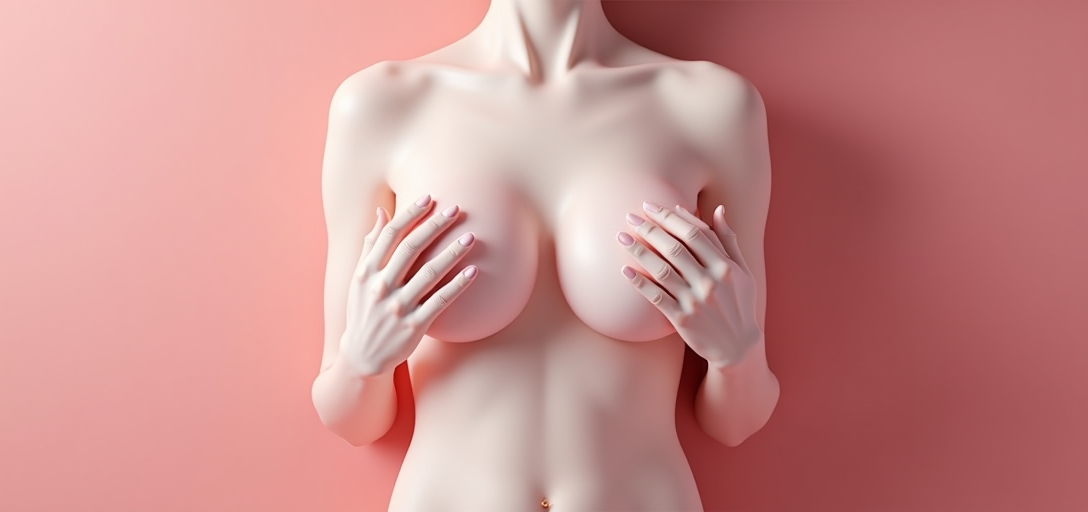
Understanding the Importance of Breast Self-Exams
Breast self-exams are an essential part of personal health care for individuals with breasts. With breast cancer being the most commonly diagnosed cancer in women in the US, as reported by the American Cancer Society, being proactive about breast health is crucial. Regular self-exams can help in early detection, a vital step in successful treatment outcomes.
Why Perform a Breast Self-Exam?
Performing a breast self-exam helps you become familiar with how your breasts normally look and feel. By doing so, you can better identify any abnormalities or changes, such as lumps, thickening, or unusual discharge, which should be evaluated by a healthcare professional.
Step-by-Step Guide to Performing a Breast Exam at Home
Step 1: Visual Inspection
Stand undressed from the waist up in front of a mirror. Look at your breasts with your arms by your sides, then with your arms raised, and finally with your hands pressed on your hips. Check for changes in shape, contour, and skin texture (dimpling or puckering), as well as any visible swelling or changes in nipples.
Step 2: Manual Inspection While Lying Down
To examine your right breast, lie down and place a pillow under your right shoulder. Put your right arm behind your head. Using your left hand, move your three middle fingers in small circular motions, feeling for lumps, thickening, or any other notable changes. Repeat the process on your left breast using your right hand.
Step 3: Manual Inspection in the Shower
Breasts can be easier to examine when wet, hence consider doing these checks in the shower. Lather your breasts and follow the same circular motion method as when lying down. This technique can help discover any unusual findings more easily.
What to Do If You Find a Lump
Finding a lump during a breast self-exam can be unsettling, but it's important not to panic. Many breast changes or lumps are benign (not cancerous). However, it is crucial to consult with a healthcare provider promptly to determine the nature of the finding through clinical examination and, if necessary, imaging tests like a mammogram or ultrasound.
How Often Should You Perform a Breast Self-Exam?
It is generally recommended to perform a breast self-exam once a month. The optimal time to carry out the exam is a few days after your menstrual cycle ends when your breasts are least likely to be swollen or tender. If you no longer menstruate, choose a consistent day each month to perform the exam.
Integrating Self-Exams into a Broader Health Routine
While self-exams are important, they should be a part of a larger preventive strategy, which includes regular physical exams and mammograms as advised by your healthcare provider based on your age and personal risk factors.
Debunking Myths About Breast Self-Exams
- Myth: Finding a lump always means you have cancer.
- Truth: Many lumps are benign, but it is essential to have them evaluated.
- Myth: Breast self-exams are not necessary if you’re getting regular mammograms.
- Truth: Self-exams help you become familiar with your breasts and can detect changes between mammograms.
Latest Research and Recommendations
According to a 2026 study by the National Cancer Institute, regular self-exams, alongside clinical screenings, improve early detection rates of breast cancer. Continued emphasis on public health education for breast health awareness remains pivotal in reducing breast cancer mortality rates.
Conclusion: Empowerment Through Awareness
By incorporating breast self-exams into your personal health routine, you empower yourself with awareness and the ability to detect changes early. Always follow up any concerns with healthcare professionals and keep informed with the latest breast health recommendations. Stay proactive about your breast health and encourage others to do the same.
For more detailed guidance on breast self-exams, visit the American Cancer Society or Breastcancer.org.