Empowering Smiles: Dental Implants for Disabled Individuals in 2026
Explore the latest advancements in dental implants for disabled individuals in 2026. This article delves into the innovative solutions making implants more accessible and effective for those with disabilities. Discover what options might be available to enhance your dental health.
The Importance of Dental Implants for Disabled Individuals
In recent years, the advancements in dental technology have made dental implants more accessible to a wider range of individuals, including those with disabilities. By 2026, as awareness and understanding grow, the focus on providing quality dental care to disabled individuals has become an important part of healthcare in the U.S. Dental health is crucial not only for physical well-being but also for social and psychological health.
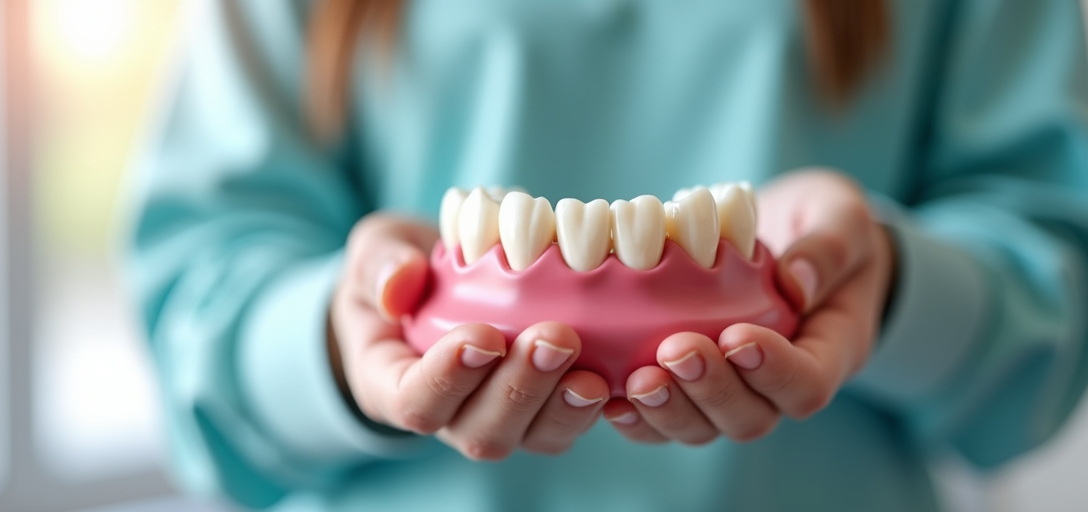
Dental implants can provide immense benefits for disabled individuals, enhancing their quality of life by enabling better nutrition, speech, and self-esteem. They serve as a permanent solution to lost or damaged teeth, offering a stronger and more natural-looking alternative compared to traditional dentures or bridges.
Understanding Dental Implants
Dental implants are titanium posts surgically placed into the jawbone, functioning as a robust foundation for replacement teeth. Unlike dentures, implants do not need to be removed and provide stability that allows individuals to enjoy their favorite foods without discomfort or fear of slippage.
- Durability: With proper care, dental implants can last a lifetime, which can be a significant advantage for those with disabilities who may have difficulty maintaining removable dentures.
- Functionality: Implants act like natural teeth, improving an individual's ability to chew and speak clearly, a vital aspect for occupational and social engagement.
- Aesthetic Benefits: They help preserve the facial structure by preventing bone loss, which can occur when teeth are missing, maintaining a more youthful appearance.
Challenges Faced by Disabled Individuals in Accessing Dental Care
Accessing dental care can be challenging for disabled individuals due to various barriers such as physical access to dental offices, communication barriers, and financial constraints. According to a 2026 report by the American Dental Association, over 50% of disabled individuals in the U.S. do not receive needed dental care due to these obstacles. Addressing these barriers is essential to ensure inclusive dental health services.
Physical Barriers
Many dental offices may not have adequate facilities to accommodate individuals with mobility impairments. Lack of wheelchair accessibility or specialized dental chairs can hinder the ability of disabled individuals to receive dental treatments, including implants.
For instance, dental practices equipped with ceiling hoists or adjustable dental chairs can better serve individuals with severe physical limitations, ensuring comfort and safety during dental procedures.
Communication Barriers
Communication can be a significant hurdle for those with hearing, visual, or cognitive disabilities. Clear communication is crucial to ensure that patients understand procedures and feel comfortable with their healthcare providers.
Training dental staff to use sign language or providing materials in braille can enhance communication. Innovative technologies such as screen readers or communication boards are becoming increasingly prevalent in modern dental practices.
Financial Barriers
The cost of dental implants can be prohibitive, especially for disabled individuals relying on fixed incomes. Medicaid and Medicare provide limited dental benefits, causing many to forego necessary treatments due to financial strain.
Recent initiatives, such as dental grants for disabled individuals and expanded Medicaid coverage in several states, aim to alleviate these financial burdens. In 2026, these programs continue to strive toward greater inclusivity in dental healthcare.
Recent Innovations in Dental Implantology
The field of dental implantology is continually evolving, with new techniques and technologies emerging to improve outcomes and accessibility for disabled individuals. Noteworthy innovations in 2026 include:
- Custom 3D Printing: 3D-printed implants and prosthetics are tailored to fit individual anatomy accurately, providing better comfort and function.
- AI and Robotics: Artificial Intelligence is being used to plan surgeries more precisely, while robotic systems assist in performing these complex procedures, particularly beneficial in cases involving intricate anatomical challenges.
- Biocompatible Materials: New materials that mimic bone properties offer better integration with the jawbone, reducing the risk of implant failure.
Such advancements make dental implants a feasible option for more disabled individuals, enhancing their adaptability and success rates.
Steps to Getting Dental Implants
For disabled individuals considering dental implants, understanding the steps involved in the process can help alleviate concerns and provide a clearer pathway to improved dental health.
Initial Consultation
The journey begins with a comprehensive evaluation by a dental professional trained to understand the unique needs of disabled patients. This includes assessing oral health, reviewing medical history, and discussing potential treatment options.
Surgical Placement
Once approved, the next step involves the surgical placement of the implant into the jawbone. This procedure is usually performed under local anesthesia and requires careful coordination to ensure patient comfort and safety.
Osseointegration
After placement, a period of healing is necessary for osseointegration, where the implant fuses with the bone. This critical phase can take several weeks to months, allowing the implant to become a sturdy part of the jaw.
Final Restoration
Finally, a custom-made crown is attached to the implant, completing the restoration and providing full functionality and aesthetic appeal.
Conclusion
Dental implants for disabled individuals offer a transformative solution, vastly improving physical function and psychological well-being. With ongoing advancements and growing accessibility options, 2026 represents a promising year for enhancing oral health in this community. Patients and caregivers are encouraged to consult with specialized dental professionals to explore how these innovations can benefit them.
For more information, resources like the American Dental Association and National Institute of Dental and Craniofacial Research are invaluable.