Ensuring Safe and Reliable Transportation for Seniors to Medical Appointments
Learn about transportation for seniors to medical appointments in the US, exploring safe and reliable options that cater specifically to their needs. Discover various services and considerations that can help ensure timely and comfortable travel for seniors heading to critical healthcare visits.
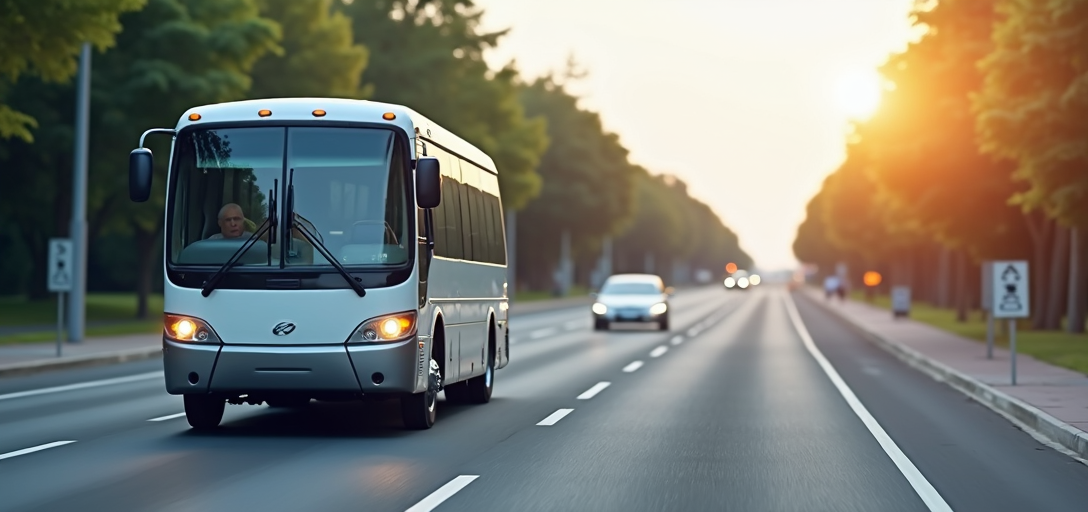
Understanding Transportation Challenges for Seniors in the US
The US Census Bureau reported in 2026 that approximately 56 million Americans are aged 65 and older, making up a significant portion of the population. As this demographic continues to grow, so do the challenges associated with ensuring they have reliable access to essential services like healthcare. One of the most pressing issues is transportation to medical appointments. Limited mobility, health conditions, and lack of accessible transportation can create barriers for seniors trying to maintain their health and wellness.
Why is Senior Transportation Important?
Transportation is a crucial aspect of healthcare access. For seniors, attending routine medical appointments is imperative for managing chronic illnesses, accessing preventive care, and ensuring overall well-being. Without reliable transportation:
- Risk of missed medical appointments increases, leading to poor health outcomes.
- Increased feelings of isolation and depression may occur due to lack of mobility.
- Emergency healthcare costs can rise due to unmanaged health conditions.
Types of Transportation Services Available for Seniors
Public Transportation Options
Many urban areas offer public transportation options that are accessible to seniors, including buses and trains with low floors and designated seats. Programs like Washington D.C.’s Metro Access provide specialized paratransit services for those unable to use standard transportation due to disabilities.
Private and Non-Profit Services
A variety of private and non-profit organizations cater specifically to seniors’ transportation needs. Services such as SilverRide in San Francisco, a ridesharing service tailored for seniors, and non-profits like ITNAmerica provide options that can be more personalized than public transit.
Medicare and Medicaid Non-Emergency Transport
For seniors eligible for Medicare or Medicaid, non-emergency medical transportation (NEMT) services are often available. In areas like Florida, these services enable seniors to access healthcare despite mobility issues or lack of a personal vehicle. These services include contracted drivers or companies that are reimbursed by Medicare or Medicaid.
Family and Volunteer Networks
Family members and community volunteers play a critical role in transporting seniors. Many communities have organized volunteer driver programs, where vetted drivers offer their time to help seniors attend appointments. This is common in suburban and rural areas where other forms of transport might be more limited.
Challenges Facing Senior Transportation Services
Despite the available services, there are challenges in delivering reliable transportation to seniors:
- Funding and Resources: Public and non-profit services often rely on limited funding, affecting the quality and availability of services.
- Geographic Limitations: Rural areas often lack sufficient transportation infrastructure, making it difficult for seniors to reach destinations.
- Technological Barriers: Seniors less familiar with technology may struggle to access app-based services, excluding them from using modern ridesharing options.
Steps to Improve Senior Transportation Access
Addressing these challenges requires a concerted effort from policymakers, communities, and service providers:
Investing in Infrastructure
Municipalities can prioritize funding for accessible and senior-friendly transportation infrastructure. An example is New York City's Accessible Dispatch Program, which funds wheelchair-accessible taxi services across the city.
Leveraging Technology
Technology can bridge gaps in access by providing easy-to-use platforms for booking rides. Companies like Lyft and Uber have developed senior-accessible features, simplifying the process of arranging a ride.
Fostering Community Programs
Encouraging community involvement through volunteer programs can enhance the availability of transportation for seniors. Grants and incentives can support the development of these local initiatives.
Conclusion: The Path Forward
Ensuring transportation access for seniors to medical appointments is essential for their health and independence. As the senior population continues to grow, it is crucial to address these challenges through strategic planning and collaboration among stakeholders. By investing in inclusive infrastructure, leveraging technology, and nurturing community programs, we can build a transportation system that ensures no senior is left without the care they deserve.