Essential Considerations for Homeowners Before Installing Solar Panels
Discover the essential insights every homeowner should consider before installing solar panels. From understanding potential energy savings to evaluating the condition of your roof, preparing for solar can be both exciting and overwhelming.
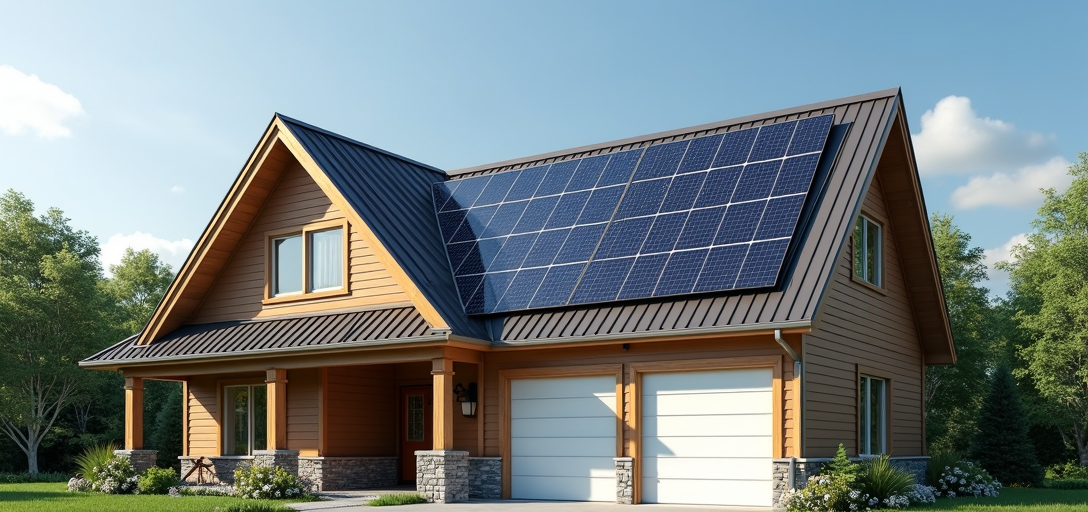
Understanding the Basics of Solar Panels
As the adoption of solar energy continues to grow across the United States, homeowners are increasingly considering solar panels as a means to reduce electricity costs and contribute to a more sustainable future. However, before diving into installation, several important factors should be considered to ensure a successful transition to solar power.
How Do Solar Panels Work?
Solar panels are composed of photovoltaic (PV) cells that convert sunlight into electricity. When sunlight hits a PV cell, it knocks electrons loose from their atoms, generating a flow of electricity. Individual panels are combined into groups called arrays, which absorb solar energy and transform it into useable electrical power for your home.
Beyond the panels themselves, a complete solar power system typically includes an inverter to convert the direct current (DC) electricity generated by the panels into alternating current (AC) electricity, which can be used by most home appliances.
Types of Solar Panels Available
There are primarily three types of solar panels available for residential use:
- Monocrystalline Panels: Known for their high efficiency and sleek appearance, these panels are made from a single crystal structure.
- Polycrystalline Panels: Typically less expensive, these are made from several pieces of silicon melted together, resulting in slightly less efficiency.
- Thin-Film Panels: Flexible and lightweight, these panels are less efficient but offer versatile installation options.
Key Considerations Before Installing Solar Panels
Assessing Your Home's Suitability
Before installation, it's crucial to evaluate if your home is appropriately positioned for solar panels. Key considerations include:
- Roof Condition: Solar panels are typically installed on roofs, so ensuring your roof is in good condition and can support the panels is crucial.
- Orientation and Shading: Ideally, your roof should have a sunny, south-facing orientation with minimal shading for maximum efficiency.
- Local Climate: While solar panels can generate electricity on cloudy days, they are most effective in areas with ample sunlight.
Financial Incentives and Rebates
Significant financial consideration involves understanding the incentives available at the federal, state, and local levels. These incentives can significantly reduce the initial costs of solar panel installation.
- Federal Tax Credit: The federal solar tax credit, or investment tax credit (ITC), allows you to deduct a portion of your solar costs from your federal taxes. As of 2026, this credit stands at 30% of installation costs.
- State Incentives: States like California and New York offer additional incentives, which can include rebates, tax credits, or performance-based incentives.
- Local Programs: Check with local utility companies or governments as they may offer further rebates or incentives.
Cost vs. Long-term Savings
Understanding the financial implications of installing solar panels is essential. While the average cost of solar panel installation in 2026 sits around $16,000 for a typical U.S. household, long-term savings can be substantial. By reducing or eliminating your electric bills, solar panels can pay for themselves within 7 to 10 years, offering further savings thereafter.
Many homeowners also turn to solar loans, leasing options, or power purchase agreements (PPAs) to mitigate upfront costs, making solar energy more accessible.
Choosing a Reliable Solar Provider
Researching and Selecting a Provider
Choosing the right provider is crucial to ensuring a smooth installation and reliable service. Considerations include:
- Experience: Look for providers with a proven track record and positive customer feedback.
- Warranties: Ensure your solar provider offers comprehensive warranties on both equipment and installation, typically ranging from 20-25 years.
- Transparency: A reliable provider will offer transparent pricing, clearly outline the installation process, and provide detailed estimates.
Installation Process and Timeline
Understanding the installation timeline can help manage expectations. A typical install involves the following steps:
- Site Assessment: Providers perform detailed assessments, including rooftop inspections and energy audits.
- Permitting and Approvals: Installers handle local permits and interconnect agreements with utility companies.
- Installation Day: Depending on system complexity, installation can be completed within 1 to 3 days.
Post-installation, your system will undergo inspections before final connection to the grid.
Environmental and Economic Impact
Reducing Carbon Footprint
Installing solar panels is an effective way to reduce your home's carbon footprint. By generating your own electricity, you lower reliance on fossil fuels, thereby cutting greenhouse gas emissions.
Increasing Property Value
A study conducted in 2026 found that homes with solar panels sell on average for 4.1% more than those without, contributing positively to property value. This increase not only covers a part of your installation costs but can make your home more attractive to eco-conscious buyers.
Access to Real-Time Data
Modern solar systems integrate smart technologies that allow homeowners to monitor their energy generation and usage in real time. This data accessibility facilitates better energy management and fosters more sustainable habits.
For further information on solar power adoption and benefits, homeowners can consult reports from the Solar Energy Industries Association or the latest U.S. Department of Energy reports.