Essential Considerations When Choosing an Air Purifier for Your Home
Looking to breathe cleaner air at home? Before buying an air purifier for your home, explore essential tips to find the right one for your needs. Choose wisely among available options, and consider factors like size, technology, and maintenance.
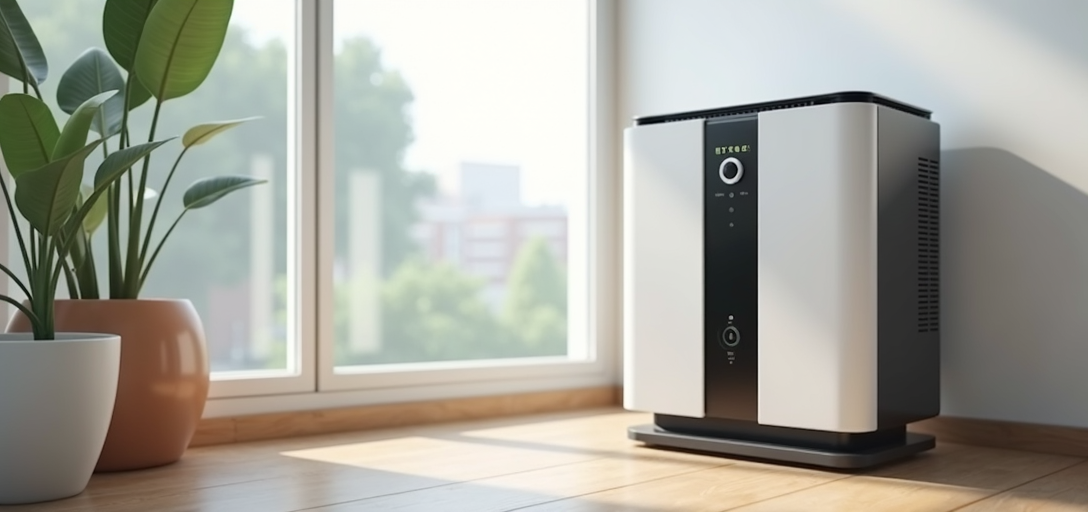
Understanding Air Purifiers: What You Should Know
As concerns over indoor air quality rise, many individuals are turning to air purifiers to create a healthier living environment. But before you make an investment, it's important to arm yourself with the right information to ensure you choose the best product for your home.
Why Consider an Air Purifier?
Indoor air quality can significantly impact your health. According to the Environmental Protection Agency (EPA), indoor air pollutants can be 2-5 times higher than outdoor levels, and in some cases, even up to 100 times higher. This can lead to a host of health problems, especially for those with allergies, asthma, or other respiratory issues.
- Allergy Relief: Air purifiers can remove common allergens like dust, pet dander, and pollen from the air, providing relief for those who suffer from allergies.
- Asthma Symptoms: Removing airborne triggers can help reduce asthma symptoms.
- Mold Spores: Some air purifiers can capture mold spores, helping to prevent mold growth in your home.
Types of Air Purifiers
Air purifiers vary widely in terms of technology and capability. Here are some common types:
- HEPA Filters: High-Efficiency Particulate Air (HEPA) filters are one of the most popular options, trapping particles as small as 0.3 microns with 99.97% efficiency.
- Activated Carbon Filters: These filters are best for eliminating odors and volatile organic compounds (VOCs) that are not captured by HEPA filters.
- UV Air Purifiers: Use ultraviolet light to kill airborne microorganisms such as bacteria and viruses.
- Ionic Air Purifiers: Generate charged ions that latch onto airborne particles, which then fall to the ground or are captured on a collector plate.
Key Features to Look For
When purchasing an air purifier, consider the following features to ensure you select the right model for your home:
- Size of the Unit: The size of the air purifier should match the size of the room where it will be used. Check the Clean Air Delivery Rate (CADR) to see how well an air purifier will work in a given size space.
- Noise Level: Some units can be quite noisy, which may be disruptive in a bedroom or office setting. Look for units that specify low decibel levels for quieter operation.
- Filter Replacement: Consider the availability and cost of replacement filters, as these will be required periodically to maintain effectiveness.
- Energy Consumption: Depending on how often you plan to run your air purifier, energy efficiency could be an important consideration.
Cost and Budget Considerations
Air purifiers are available at a wide range of price points. In 2026, basic models can be found for as little as $50, while high-end models with advanced features can cost over $1,000. Consider your budget, but also balance it with the specific needs of your household.
For example, investing in a unit with a HEPA filter may be crucial if you have severe allergies or asthma.
Maintenance and Upkeep
Maintenance is crucial to ensuring your air purifier functions efficiently. Here are tips to keep in mind:
- Regular Filter Replacement: Most filters need to be changed every 3-6 months, depending on usage.
- Cleaning: Some parts, such as pre-filters, may need regular cleaning to keep the unit in top shape.
Real-World Applications
Using air purifiers effectively involves understanding their application in different scenarios. In a home with pets, a HEPA air purifier can drastically reduce pet dander. For a smoker's home, an air purifier with an activated carbon filter can significantly eliminate lingering smoke odors.
Consider Professional Insights
For those unsure of where to start, consulting an indoor air quality professional might be beneficial. They can provide personalized recommendations based on your specific needs and help you understand the local air quality conditions. According to the American Lung Association, many respiratory conditions could improve simply by improving air quality, highlighting the potential health benefits of correctly using air purifiers.
Conclusion: Making an Informed Decision
Choosing the right air purifier involves considering a variety of factors including your specific needs, the space size, and your budget. Stay informed by consulting reputable sources and, if needed, professionals to ensure you choose the best option for clean, healthy air in your home.
For more detailed studies and air quality tips, visit resources such as: