Essential Daily Needs for Loving Your Indoor Cat
Discover the essentials for keeping your indoor cats healthy and happy every day! From interactive playtime to the right nutrition, learn what indoor cats need to thrive in a home environment. Understand their daily requirements to ensure they stay active and content.
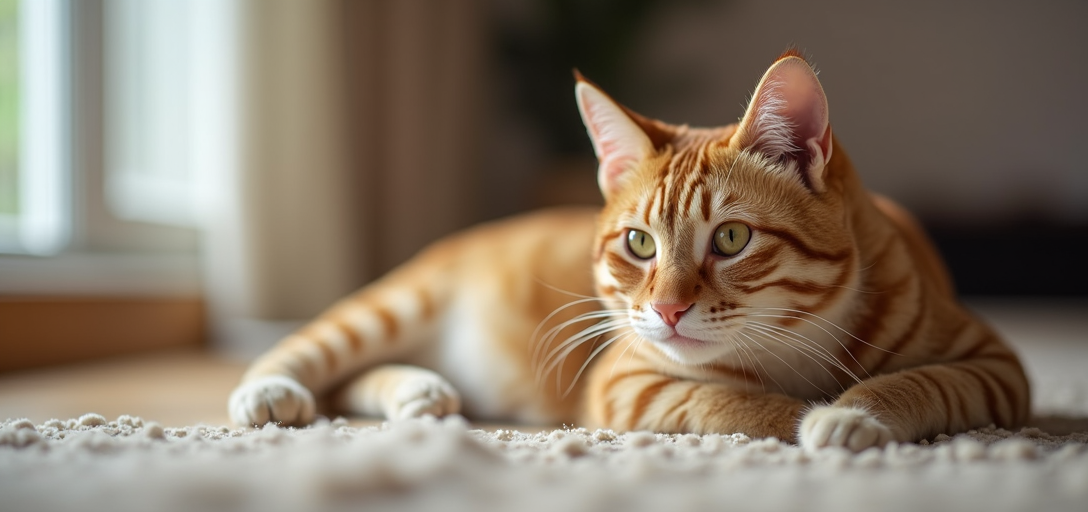
The Essential Needs of Indoor Cats in 2026
Caring for an indoor cat involves more than just providing food and shelter. Cats, like their outdoor counterparts, have specific requirements to ensure their well-being and happiness. Here, we delve into what an indoor cat needs every day to lead a healthy life.
Nutritional Needs
Nutrition plays a critical role in the health of your indoor cat. A balanced diet tailored to an indoor lifestyle is essential.
- Balanced Diet: Indoor cats can benefit from a diet that's slightly lower in calories to prevent obesity. Look for high-quality cat foods that list meat as the primary ingredient.
- Hydration: Cats often don't drink enough water. Consider using a cat water fountain, as many cats enjoy drinking running water. Wet food can also help with hydration.
- Specialized Diets: In 2026, there is a growing trend towards grain-free and organic cat foods. Consult your vet to see if these are necessary for your cat.
Physical Exercise and Stimulation
Physical activity is just as crucial for indoor cats as it is for those that roam outdoors. Without exercise, cats may develop obesity or behavioral problems.
- Toys and Play: Invest in interactive toys, like laser pointers or feather wands, to stimulate hunting instincts and keep your cat active.
- Cat Furniture: Cat trees and scratching posts provide not only physical exercise but also a place for your cat to climb and relax.
- Regular Playtime: Dedicating just 15-30 minutes daily for active playtime can significantly enhance your cat's mental and physical health.
Mental Stimulation
Without mental stimulation, indoor cats can become bored and stressed. Providing activities that engage their clever minds is crucial.
- Puzzle Feeders: These toys combine meal times with solving puzzles, keeping cats engaged both mentally and physically.
- Window Perches: A perch with a view helps satisfy a cat's natural curiosity. Consider bird feeders outside the window for added interest.
- Varied Toys: Rotate toys regularly to maintain your cat's interest in their environment.
Social Interaction
Cats may be independent animals, but they still require social interaction to thrive.
- Owner Interaction: Spend quality time petting and talking to your cat. This builds trust and emotional bonds.
- Additional Pets: If feasible, introducing another cat or even a pet-friendly dog can provide companionship. However, ensure gradual and supervised introductions.
Health Monitoring and Veterinary Care
Regular veterinary visits are vital for the prevention and early detection of health issues.
- Routine Checkups: Annual checkups help track your cat's health milestones and catch any potential issues early.
- Vaccinations and Parasite Control: Even indoor cats need certain vaccinations. Discuss with your vet the necessary vaccinations and parasite control measures specific to 2026 guidelines.
- Grooming: Regular grooming prevents mats and reduces shedding. It's also an excellent opportunity to check for ticks, fleas, and other health concerns.
Comfort and Safety
A cat's home environment contributes significantly to their overall well-being.
- Safe and Quiet Spaces: Ensure your cat has access to a quiet area where they can retreat to feel safe and relaxed.
- Environmental Enrichment: Feliway diffusers can help reduce stress by mimicking natural pheromones, promoting a sense of calm.
- Temperature Control: Maintain a comfortable home temperature, especially during extreme weather conditions, to protect your cat's health.
By addressing these daily needs, you ensure your indoor cat not only survives but thrives in your home. Keep in mind the evolving standards and recommendations of 2026 to provide the best care possible for your feline friend.
For more information on cat care, visit the ASPCA or the American Veterinary Medical Association.