Essential Electrical Issues Uncovered by Electricians in Older Homes
Discover the top electrical problems common in older homes as experienced electricians reveal what to watch out for. Learn about outdated wiring and other hidden issues that may affect your safety. Understanding these problems can help you take the right steps to address them.
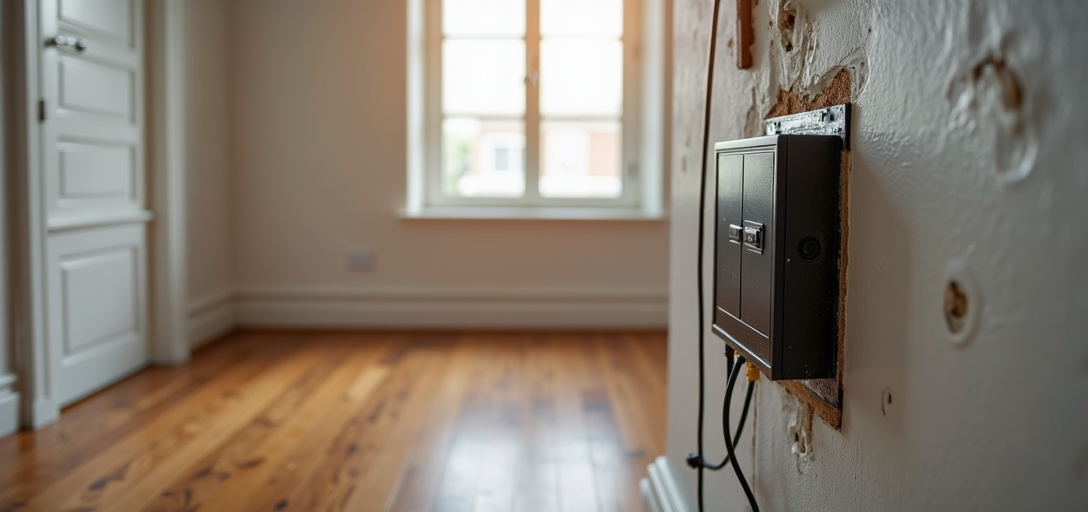
Understanding Electrical Issues in Older Homes
Older homes have a unique charm and often boast architecture and features that are hard to find in modern-day constructions. However, these homes can also come with their own set of challenges, especially when it comes to electrical systems. Understanding common electrical issues is vital for any homeowner or potential buyer looking to maintain safety and efficiency in an older dwelling.
What Defines an "Older Home" in the US?
In the context of the United States, an older home is typically considered one that was built before 1975. Many homes from this era may not comply with the current National Electrical Code (NEC) standards, which are revised every three years. Understanding the distinctive features and potential pitfalls of these homes' electrical systems is essential for any homeowner or buyer. Given the number of such houses, it's crucial to be informed about the potential problems they might conceal.
Common Electrical Problems Found in Older Homes
1. Outdated Wiring Systems
One of the most pressing concerns with older homes is the presence of outdated wiring systems like knob-and-tube and aluminum wiring. Knob-and-tube wiring was commonly used in the US until the 1940s and while it was state-of-the-art at the time, it can be dangerous today. It lacks a grounding conductor and is often covered with materials that degrade over time. Aluminum wiring, which became popular in the 1960s and 1970s, can oxidize and cause overheating, posing a significant fire risk.
- Knob-and-Tube Wiring: Often lacks grounding and is prone to becoming brittle or degrading.
- Aluminum Wiring: Can lead to overheating, and insurers might charge more or even refuse coverage altogether.
Homeowners should consult a certified electrician to evaluate the condition of the wiring and consider upgrades or replacements if necessary. It's often recommended to replace knob-and-tube and aluminum wiring altogether to ensure safety and prevent insurance complications.
2. Lack of Ground Fault Circuit Interrupters (GFCIs)
Ground Fault Circuit Interrupters (GFCIs) are crucial for preventing electrical shocks, especially in areas prone to moisture, like kitchens, bathrooms, and outdoor spaces. Many older homes lack GFCIs since their implementation did not become standard until the 1970s. Upgrading outlets in areas near water sources to GFCIs is a straightforward way to enhance electrical safety in any home.
3. Insufficient Electrical Capacity
Many older homes were designed during times when the number of electrical appliances and high-power devices in a home was far fewer. It's common to find that the electrical capacity is insufficient, with outdated panels that only support 60A or 100A, whereas modern homes typically require at least 200A to handle current demand.
A professional electrician can assess the current system and recommend whether an upgrade is necessary to prevent frequent tripping of circuit breakers and potential hazards.
4. Overloaded Circuits
Due to the limited number of outlets, homeowners might use multiple adapters and power strips, which can lead to overloaded circuits. This kind of stress on the electrical system can lead to overheating and increase the risk of a fire. Upgrading the circuit breakers and installing more outlets can help distribute load evenly and safely.
5. Absence of AFCIs (Arc Fault Circuit Interrupters)
Arc Fault Circuit Interrupters (AFCIs) are designed to prevent fires by detecting electrical arcs. Since older homes were built before AFCIs became part of the NEC requirements in 1999, replacing or installing breakers that include AFCI functionality is an excellent upgrade to minimize risks associated with faulty wiring conditions.
Steps to Address Electrical Problems in Older Homes
Conduct a Thorough Electrical Inspection
A comprehensive electrical inspection by a licensed professional is the first step in identifying any underlying issues. The inspection can provide insight into any necessary upgrades or replacements to meet safety standards.
Prioritize Safety Upgrades
- Replace outdated wiring systems to modern standards.
- Install GFCIs in wet or damp areas.
- Upgrade the electrical panel to accommodate increased demand.
- Retrofitting existing breakers with AFCIs.
These updates not only improve safety but can enhance your home’s value and attract better insurance rates.
Consult Current Data and Comply With the NEC
Ensure that all upgrades align with the latest NEC standards. The National Fire Protection Association regularly publishes the Code, keeping track of updates to remain compliant.
Maintaining an older home involves unique challenges. However, with attention to detail and a commitment to bringing the electrical system up to modern standards, these homes can not only preserve their historical charm but also provide all the modern comforts and safety.