Essential Electrical Safety Tips for Protecting Your Home and Devices
Explore essential electrical safety tips for home devices to create a safer environment. Discover practical advice on how to handle everyday gadgets to prevent accidents and enhance safety.
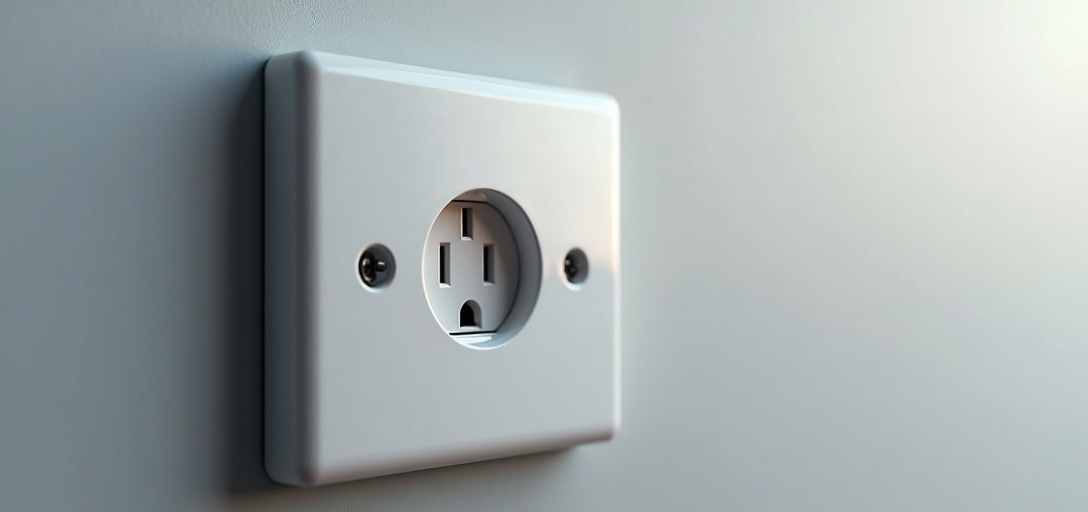
Understanding the Importance of Electrical Safety at Home
In today's technology-driven world, maintaining electrical safety in your home is more crucial than ever. With the proliferation of electronic devices, from smartphones and laptops to smart TVs and kitchen appliances, ensuring these devices operate safely is essential for preventing accidents, fires, and electrical shocks. Electrical safety isn't just about handling wires and plugs carefully; it's a comprehensive approach that involves understanding the potential risks and implementing measures to mitigate them.
In the United States, the National Fire Protection Association (NFPA) reports that home electrical fires account for approximately 51,000 fires each year, leading to nearly 500 deaths, more than 1,400 injuries, and $1.3 billion in property damage. These statistics highlight the importance of electrical safety and why education on this topic is vital for every homeowner.
Common Electrical Hazards You Might Encounter
Electrical hazards can manifest in several ways, often without obvious signs until it's too late. Being aware of these hazards can help you address issues before they become serious problems.
- Outdated Wiring: Older homes might have wiring that doesn't meet current safety standards, leading to potential overloads or short circuits.
- Wet Areas: Using electrical devices in wet areas, such as bathrooms or near kitchen sinks, without proper Ground Fault Circuit Interrupters (GFCIs) can result in electrical shocks.
- Overloaded Circuits: Plugging too many devices into a single outlet can overheat the circuit, leading to fires.
- Defective Appliances: Appliances with frayed wires or other defects can cause shocks and fires.
Practical Electrical Safety Tips for Home Devices
Keeping your home safe from electrical dangers involves a combination of awareness, maintenance, and utilizing modern safety technologies. Here are some actionable tips to help you maintain a safe electrical environment in your home.
Regularly Inspect and Maintain Cords and Devices
Inspect all electrical cords and devices regularly for signs of wear and tear. Replace any cords that are frayed or damaged. Use cord clips or covers to prevent pets or children from playing with them.
Example: Let's consider a family in Texas that regularly checks their home appliances. They noticed a frayed cord on their toaster, promptly replaced it, and likely prevented a potential electrical fire.
Use Surge Protectors Wisely
Surge protectors are essential for safeguarding your devices against voltage spikes, which can occur due to issues like lightning strikes. Ensure the surge protectors in your home meet the Voluntary Interindustry Commerce Solutions (VICS) standards and replace them if they are over three years old.
Install Ground Fault Circuit Interrupters (GFCIs)
GFCIs are crucial in preventing electrical shocks, especially in areas with high moisture levels. These devices can detect when electrical flow is incorrect and cut off the power. They should be installed in bathrooms, kitchens, and any outdoor outlets.
According to a 2026 report from the Consumer Product Safety Commission (CPSC), homes equipped with GFCIs experience a 75% reduction in the risk of electrical shock hazards. For more information, you can visit the CPSC website.
Educating Family Members and Developing Safe Habits
Promoting a culture of safety within your home means educating all family members, young and old, about the importance of electrical safety. Encourage them to develop habits that minimize risks.
Teach Children About Electrical Hazards
Children should be taught to never stick objects into electrical outlets and how to safely handle devices around water. Childproofing outlets is a proactive way to prevent accidents among younger kids.
Unplug Unused Devices
Encourage everyone in the household to unplug devices that aren't in use. Not only does this prevent unnecessary power consumption, but it also reduces the wear on electrical outlets and devices.
Create an Emergency Plan
Have a plan in place in case of an electrical emergency. This plan should include knowing how to cut off power using the home's main circuit breaker and when to contact professional electrical services. The Federal Emergency Management Agency (FEMA) provides resources on creating and implementing effective emergency plans. Check their guidelines at FEMA's official site.
Conclusion: The Necessity of Regular Electrical Safety Assessments
Finally, consider scheduling regular electrical safety assessments with a certified electrician. These professionals can identify issues that might not be visible to the untrained eye and offer solutions to ensure your home's electrical system is up to date. This practice not only secures your home but also provides peace of mind knowing your loved ones are safe from potential electrical hazards.