Essential Factors to Evaluate Before Choosing a Walk-In Tub for Your Home
Before installing a walkin tub, homeowners should weigh the potential benefits and drawbacks. While walkin tubs offer improved accessibility and added safety features, they can vary widely in cost and installation complexity.
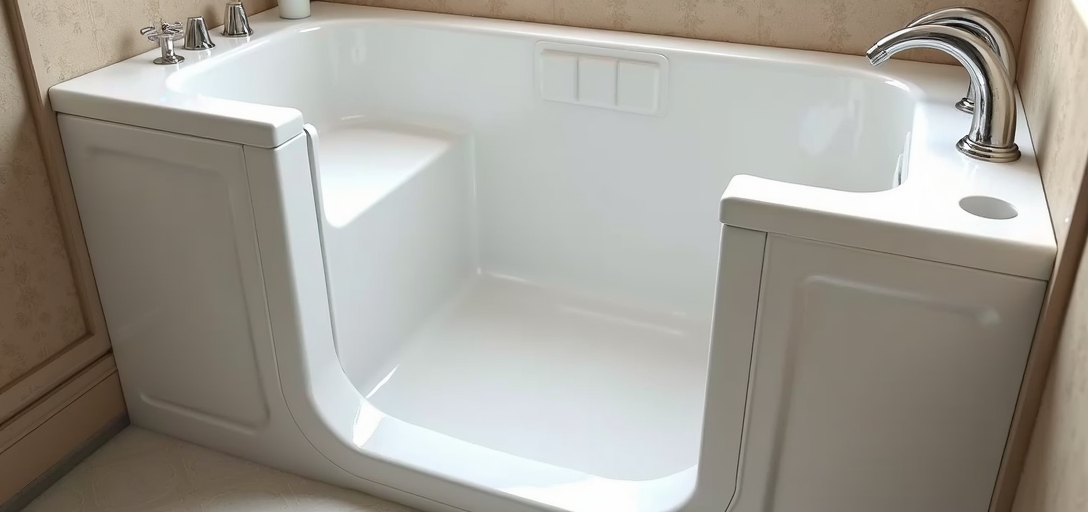
Understanding Walk-In Tubs: What Homeowners Need to Know
Walk-in tubs are a popular choice for American homeowners looking to boost the safety and accessibility of their bathrooms. This trend is particularly significant among elderly individuals and those with mobility challenges. However, before diving into installation, there are several crucial considerations to take into account to ensure that this investment meets your specific needs and home environment. This comprehensive guide will explore everything you need to know before installing a walk-in tub in your US home.
What is a Walk-In Tub?
A walk-in tub is a type of bathtub designed with a door that opens to allow for easy entry and exit. This design eliminates the need to step over a high ledge, which is a common safety concern with traditional bathtubs. Most walk-in tubs also come with a built-in seat, handrails, and a slip-resistant floor, providing a safer bathing experience overall.
Key Considerations for Installing a Walk-In Tub
1. Assessing Your Bathroom Space
Before installing a walk-in tub, it's essential to assess your bathroom's space. Most walk-in tubs are designed to fit into the space of a traditional bathtub. However, if you have a smaller bathroom, you might need to make adjustments such as moving other fixtures or choosing a more compact model.
- Measure the available space and compare it with the dimensions of the walk-in tub model you are considering.
- Consider door widths and hallways leading to the bathroom to ensure the tub can be delivered and installed without issue.
2. Plumbing Requirements
Walk-in tubs often require alterations to your existing plumbing system due to their larger volume and specific drainage needs. It's vital to consult with a professional plumber to ensure your current setup can accommodate a walk-in tub or to determine what modifications may be necessary.
- Older homes may need updated piping to handle the increased water flow and drainage requirements.
- Consider the water heater capacity, as a large bathtub will require more hot water than a standard one.
3. Cost and Financing Options
The cost of a walk-in tub can vary significantly based on the model and features you choose. As of 2026, prices range from $2,500 to over $10,000, not including installation costs. Therefore, financial preparation is crucial.
Look into potential financing options such as:
- Payment plans offered by manufacturers or retailers.
- Home improvement loans.
- Medicare or Medicaid coverage, as they might cover some costs depending on medical necessity.
4. Features and Customization
Walk-in tubs come with a variety of features aimed at enhancing the bathing experience. These features range from hydrotherapy jets, heated surfaces, to quick-drain capabilities. Understand what features are necessary for your needs and which are extra luxuries.
- Hydrotherapy jets for joint or muscle pain relief.
- Chromotherapy, which uses colored lights for mood enhancement.
- Consider accessibility options like handrails or anti-slip flooring for safer usage.
5. Installation and Maintenance
Professional installation is highly recommended for walk-in tubs, as they involve complex plumbing and electrical systems. Additionally, ongoing maintenance is crucial to ensure the longevity and safety of the tub.
- Research and hire licensed contractors with experience in walk-in tub installations.
- Regular cleaning and check-ups can prevent costly repairs and maintain the tub’s functionality.
Environmental and Health Benefits
Water Efficiency
Modern innovations have made walk-in tubs more water-efficient compared to older models, with some using as much as 50% less water than traditional bathtubs. Opting for models that emphasize water conservation can contribute to environmental sustainability and reduce utility bills.
Improved Safety and Independence
Walk-in tubs significantly enhance safety for seniors and individuals with mobility issues, reducing the risk of slips and falls, a leading cause of injury among older adults. This improvement can enable many to maintain their independence for longer periods.
Conclusion: Making an Informed Decision
Installing a walk-in tub can transform your bathing experience by providing safety, comfort, and accessibility. However, it requires thoughtful consideration of space, plumbing, cost, and customization to ensure it fits your home and lifestyle. By carefully evaluating these aspects, you can make a sound investment that enhances your quality of life.
For more in-depth coverage and latest developments, consider visiting reputable sources such as AARP and Healthline.