Essential Features to Consider Before Buying Your Next Washer
When buying a new washer, it's easy to be swayed by flashy ads. But before you commit, take a moment to compare these essential features. Choosing a washer requires careful consideration of capacity, efficiency, and technology.
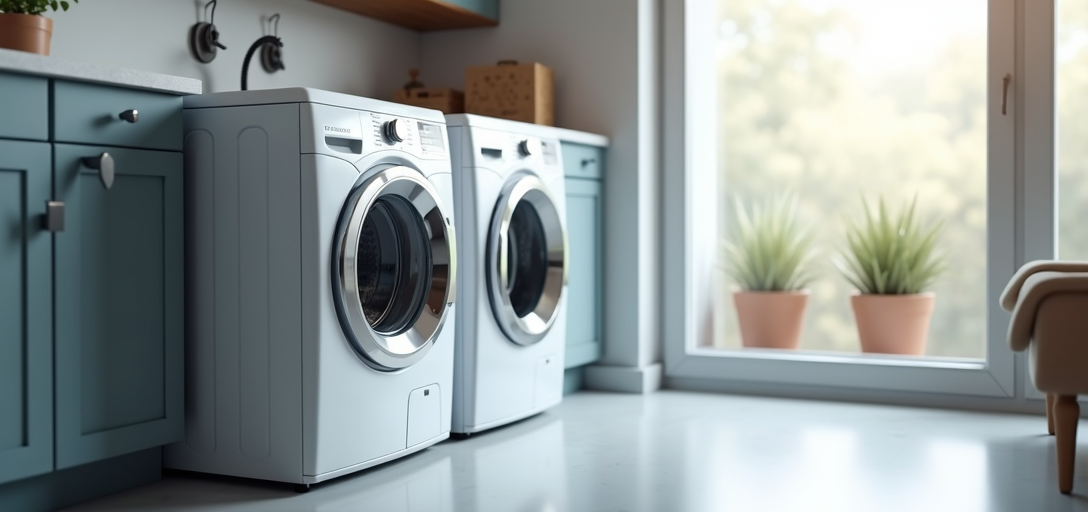
Key Features to Consider Before Choosing a Washer
In the quest for the perfect washing machine, understanding the features that matter can make all the difference. The marketplace offers an abundance of choices, each with unique specifications. This guide aims to help you make an informed decision by dissecting essential elements each buyer should consider. This will ensure that you find not only a machine that meets your needs but also one that stands the test of time.
1. Types of Washers
Before delving into specific features, it’s critical to understand the basic types of washers available in the market:
- Top-Load Washers: These are the traditional style of washers in the US and are generally more affordable. Newer models come with advanced features like impellers that enhance washing efficiency.
- Front-Load Washers: Known for their water and energy efficiency, front-load washers are becoming increasingly popular. They are gentle on clothes but typically come with a higher price tag.
- High-Efficiency (HE) Washers: Available in both top-load and front-load forms, HE washers use less water and have longer wash cycles, which can save money and energy in the long run.
2. Energy Efficiency
Energy efficiency is a top consideration for many American households, driven both by ecological concerns and rising energy costs. The Energy Star rating is a reliable metric to understand how energy-efficient a washer is. As per 2026 data from the U.S. Department of Energy, Energy Star certified washers use about 25% less energy and 33% less water than conventional models. Look for a washer with a high integrated modified energy factor (IMEF) and a low integrated water factor (IWF) for maximum efficiency.
3. Capacity and Size
When determining the best washer size, consider the size of your home, typical load sizes, and installation space. According to 2026 home appliance buying trends, an optimal choice for a family of four is around 4-5 cubic feet:
- Compact: These washers are about 2-3.5 cubic feet and are perfect for smaller households or space-constrained areas.
- Standard: Between 3.5 and 5 cubic feet, suitable for average to larger loads for most families.
- Large: Washers over 5 cubic feet can handle bedding and bulky items effortlessly.
4. Washing Technology
The technology behind how a washer functions can significantly influence its performance. Consider these points:
- Agitator vs. Impeller: Agitators are better for tough stain removal but can be rough on fabric. Impellers, commonly found in high-efficiency models, use a gentler, more effective washing mechanism that's easier on clothes.
- Smart Features: Modern washers offer connectivity options such as Wi-Fi and Bluetooth. This allows you to control the washer remotely and receive maintenance alerts.
5. Noise Level
Noise can be a significant concern, especially for households with open living spaces or for machines located near bedrooms. Several models now include noise-dampening features or quiet-operating modes. Check the washer's decibel level; quieter models operate around the 50-60 dB range.
6. Durability and Warranty
Investing in a durable washer can save you money on repairs and replacements in the long term. Look for models with high-quality build materials and robust motors. Additionally, consider the warranty terms. Many manufacturers, as per 2026 practices, offer extended warranties or protection plans for added peace of mind.
7. Price Range and Budget Considerations
While determining your budget, balance between upfront costs and long-term operational savings. Energy-efficient models may cost more initially but could result in substantial savings on utility bills over time. Based on the latest 2026 market data, expect to pay between $400 and $1,800 for a washer, depending on features and brand.
Conclusion: Making the Right Choice
Choosing a washer is not just about picking the most popular model but ensuring it fits your lifestyle, budget, and space constraints. By evaluating these key features, you can make an educated decision suited to your household’s specific needs. Remember, an informed purchase not only enhances your daily life but also contributes positively to the environment by reducing resource consumption.