Essential First Steps in Assessing Water Damage After a Leak
Discover essential steps to inspect your home after leaks or unexpected water damage. Knowing what to inspect first can prevent further issues and costly repairs. From checking hidden moisture to assessing structural integrity, exploring these initial steps ensures you're informed and prepared.
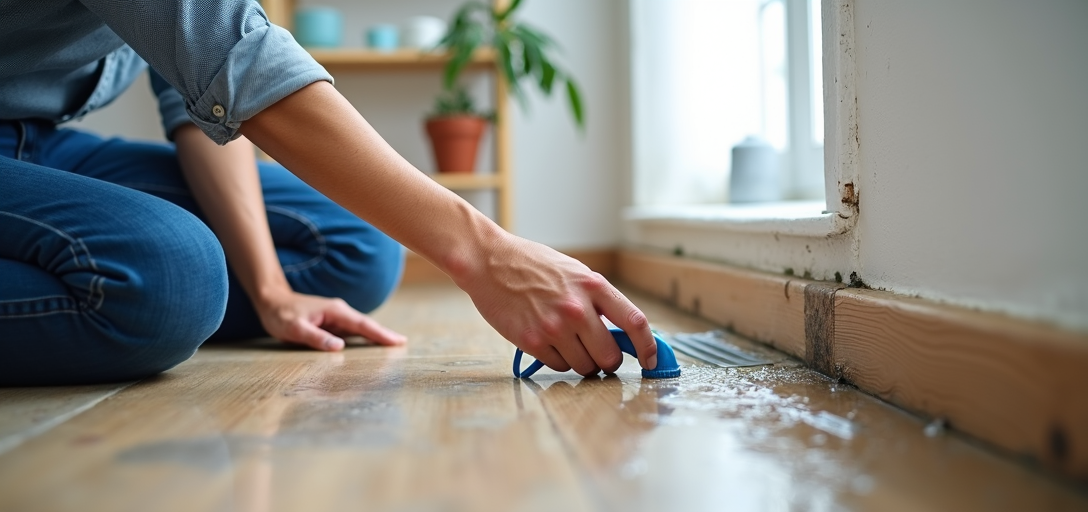
Understanding the Impact of Water Damage
Water damage is a common problem many homeowners in the US face, whether from leaks, floods, or unexpected disasters. Understanding the implications goes beyond visible damage; it can affect your home's structural integrity, pose health risks, and lead to costly repairs if not addressed promptly.
Data from the National Flood Insurance Program reveals that 20% of flood claims come from properties outside the high-risk flood areas. This statistic underscores the importance of inspecting your property immediately after any water-related incident.
Initial Steps to Take When Discovering Water Damage
Prioritize Safety
Your first step should always be ensuring the safety of your home and its inhabitants. If there is any concern about electrical safety or structural integrity, it is crucial to vacate the premises and contact professionals. For instance, after a severe storm, downed power lines or compromised wiring could pose serious risks.
Document the Damage
Before you begin cleanup or repairs, document the damage thoroughly. This includes taking photos and videos of affected areas, which will be invaluable when filing insurance claims. According to a 2026 report by the Insurance Information Institute, having well-documented evidence can significantly expedite the claims process, especially when considering the complexity of claims involving water damage.
Key Areas to Inspect After Water Damage
1. Roof and Ceiling
Start by inspecting your roof and ceiling. These areas are susceptible to leaks, especially after heavy rain or snow. Look for:
- Discoloration or stains on the ceiling, which might indicate water pooling above.
- Soft spots in the drywall, a sign of prolonged exposure to moisture.
- Missing, damaged, or curled shingles on the roof that could be the entry point for water.
2. Walls and Insulation
Water can seep into walls, leading to mold growth and structural damage. Check for:
- Bubbling or peeling paint or wallpaper.
- A musty smell, which may suggest mold behind walls.
- Wet spots or soft spots that indicate saturated insulation.
A 2026 study by the US Environmental Protection Agency highlights that mold can begin to form within 24-48 hours under these conditions, emphasizing the need for swift action.
3. Floors and Carpets
The flooring can often bear the brunt of water damage. Here’s what to investigate:
- Warped or buckling floorboards are immediate indicators of water damage.
- Persistent dampness in carpets suggests water may have settled into the padding or subfloor.
- Signs of mold or mildew, especially in carpeted areas where moisture retention is high.
4. Basement and Foundation
Basements are particularly vulnerable to water ingress, especially if your home is in a flood-prone area. Inspect for:
- Cracks in the foundation walls, which could compromise structural stability.
- Standing water or excessive dampness, which can lead to significant mold issues and weaken the foundation over time.
- Operational functionality in sump pumps and basement drainage systems, ensuring they are in good working order to prevent further water issues.
Steps to Mitigate Water Damage
Immediate Actions
Beyond visual inspection, immediate action is necessary to prevent further damage. Consider the following steps:
- Remove excess water with mops, buckets, and, if necessary, a wet/dry vacuum.
- Dry the affected areas thoroughly using fans, dehumidifiers, and ventilation to expedite the drying process.
- Dispose of items that cannot be dried or cleaned to prevent mold growth, such as soaked carpets or furniture.
Seeking Professional Help
Sometimes, the scale of water damage surpasses what you can manage alone. Engage with qualified professionals to ensure comprehensive remediation. Professional services can offer:
- Expertise in mold remediation and prevention, crucial for long-term home health and safety.
- Advanced equipment and methods for thorough drying and repair that typical home equipment may not achieve.
- Assistance with insurance claims through accurate damage assessments and repair documentation.
Preventing Future Water Damage
Regular Maintenance
An effective way to prevent future water damage is through regular maintenance and inspections. Keep these practices in mind:
- Regularly inspect your roof, gutters, and downspouts for debris that could impede water drainage.
- Seal and caulk windows and doors appropriately to prevent water ingress during storms.
- Install water leak detection systems that alert you to potential issues before they become significant problems.
Long-term Solutions
Consider investing in long-term home improvements such as:
- Sump pumps in basements to manage excess water during floods effectively.
- Basement waterproofing solutions to protect the foundation and prevent seepage.
- Elevating electrical systems in flood-prone areas to mitigate the risk of water-induced electrical hazards.
By understanding what to inspect first after leaks or unexpected water damage, you can effectively manage the risks and protect your home. Taking prompt, informed action is essential to minimize damage and ensure a safe living environment.