Essential Guide to Accessing Dental Implants via Public Dental Services in Australia
Discover how to apply for dental implants through public dental services in Australia. Explore available options that could make dental implants more accessible depending on eligibility and availability in your area.
Understanding Public Dental Services in Australia
Australia's public dental services play a crucial role in providing access to essential dental care for underprivileged communities. These services cater to eligible patients, mainly focusing on general and preventive dental treatments. One of the areas where public dental services are increasingly becoming significant is in offering dental implant options to those who need it the most but might find it financially challenging through private means.
What Are Dental Implants?
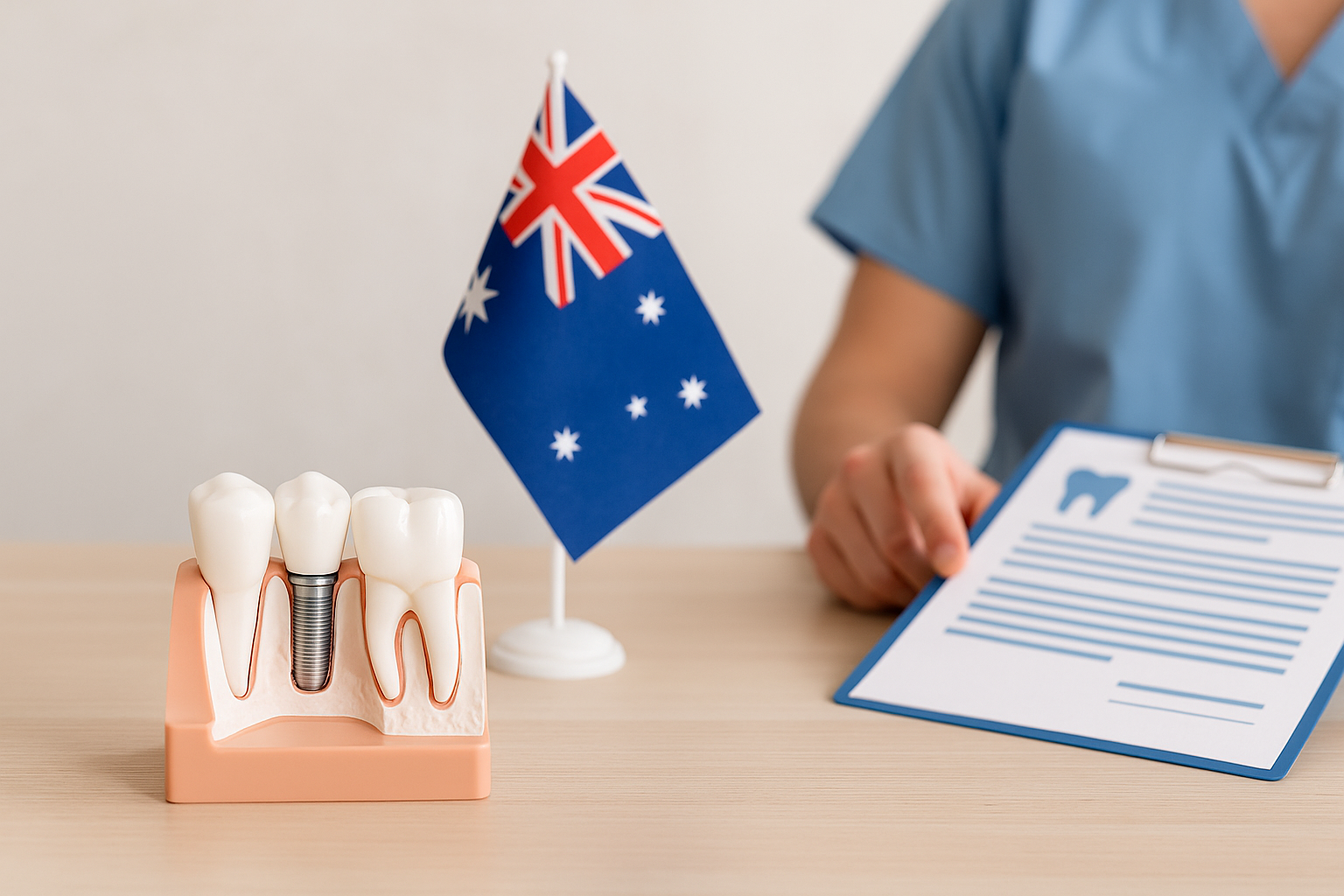
Dental implants are sophisticated and robust solutions for replacing missing teeth. They comprise titanium posts that serve as roots, onto which artificial teeth are mounted. Due to their durability and natural appearance, dental implants have become a preferred choice among patients. However, their cost can be prohibitive, making public assistance vital for eligible candidates.
Applying for Dental Implants Through Public Dental Services
Eligibility Criteria
In Australia, not everyone can directly apply for dental implants through public services as they are reserved for individuals meeting specific criteria:
- Income-based eligibility where individuals must demonstrate a financial need.
- In some regions, dental services might prioritize those with certain health or medical conditions that necessitate the urgency of dental implants.
- In possession of valid concession cards such as Health Care Card or Pensioner Concession Card.
Eligibility guidelines can vary between states, so checking with local health departments or dental health services will provide clearer insights.
Application Process
Applying for dental implants through public dental services generally involves several steps:
- Initial Consultation: Visit a local community dental clinic for an assessment. This step ascertains the treatment required and eligibility for public assistance.
- Referral Process: If eligible, a referral to specialized public or contracted private dental services might be necessary for further evaluation and treatment planning.
- Approval and Treatment Planning: Upon referral, a comprehensive treatment plan is outlined, often involving multiple specialists to ensure the utmost care is provided.
Patience is essential as public systems often face high demand, which might lead to waiting times before treatment commences.
Benefits of Accessing Dental Implants through Public Services
Applying for dental implants via public services offers numerous advantages:
- Affordability: Public funding can drastically reduce or outright cover the costs, especially for financially disadvantaged individuals.
- Comprehensive Care: Public services often include follow-up care, ensuring patients properly adjust to their implants and maintain oral health.
- Improved Quality of Life: Restored dental function can significantly enhance eating, speaking, and overall confidence.
Challenges and Considerations
While the benefits of public dental services are significant, there are considerations to keep in mind:
Waiting Lists
Due to high demand, waiting lists can be extensive. According to the Australian Institute of Health and Welfare, some procedures may require waiting up to 12 months or longer in some regions.
Resource Limitations
Public dental services might be limited in certain advanced techniques or technologies compared to private dentistry, impacting the availability of certain types of implants.
Real-World Examples and Success Stories
Consider the case of John, a pensioner from Victoria, who recently benefited from public dental services. Despite initially facing a 9-month waiting period, John received comprehensive care including assessment, the implant procedure, and ongoing postoperative support. These services were performed by highly qualified specialists contracted under his local health department.
Conclusion
Accessing dental implants through public dental services in Australia provides a viable pathway to restoring dental health for those in financial need. By understanding the eligibility criteria, application process, and potential challenges, individuals can make informed decisions about pursuing these vital services. For current information and how to apply, contacting local public dental health services is recommended. With advancements in public health policies and commitments to healthcare access, initiatives like public dental services are crucial in promoting oral health as part of holistic well-being.