Essential Guide to Hassle-Free Commercial Truck Tire Replacement
Discover insights into commercial truck tire replacement and how it can affect your business operations. Ensuring timely truck tire replacement not only enhances safety but can also lead to better fuel efficiency and cost management.
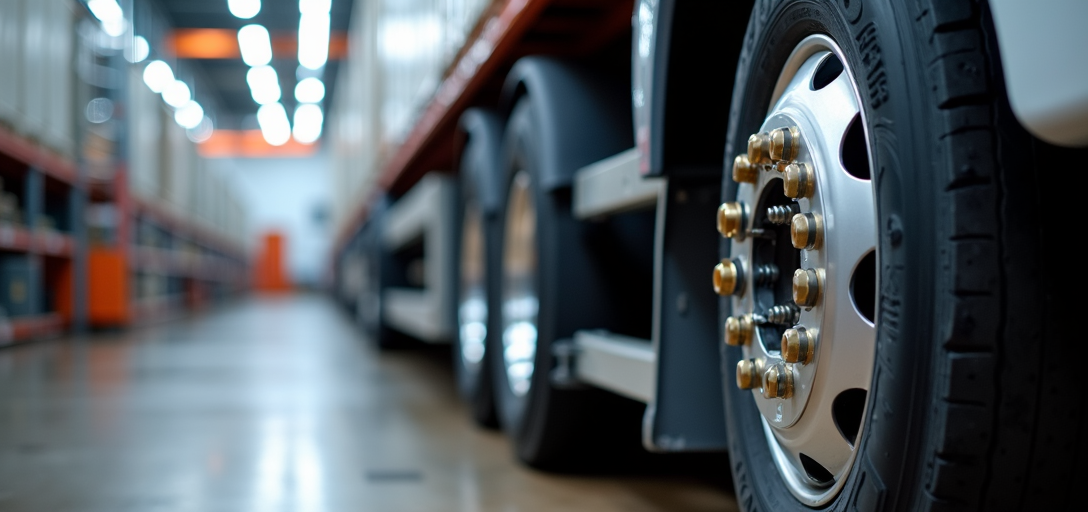
Understanding Commercial Truck Tire Replacement
As the commercial trucking industry in the United States continues to thrive, one essential aspect that operators cannot overlook is the tire replacement for their fleet. Commercial truck tires are vital for ensuring efficiency, safety, and the longevity of the vehicle. These tires endure a substantial amount of stress due to the weight and long distances covered, necessitating regular replacements to maintain high performance.
Why is Tire Replacement Crucial for Commercial Trucks?
The significance of timely tire replacement in commercial trucks cannot be overstated. Here are some reasons why it is crucial:
- Safety: Worn-out tires can lead to blowouts or skids, especially on wet or icy roads, increasing the risk of accidents.
- Fuel Efficiency: New tires with appropriate tread depth offer better fuel efficiency by reducing rolling resistance.
- Operational Costs: Regular tire replacement prevents premature wear and tear on other mechanical parts, reducing overall maintenance costs.
- Compliance: Adhering to regulations regarding tire condition can help avoid fines and penalties during DOT inspections.
How Often Should Commercial Truck Tires Be Replaced?
While the frequency of tire replacement may vary depending on the type of truck, load, and driving conditions, a general rule of thumb for commercial trucks is to inspect and possibly replace tires every 25,000 to 50,000 miles. Factors influencing tire longevity include:
- Driving Habits: Aggressive driving habits can lead to accelerated tire wear.
- Load Capacity: Overloading can significantly reduce the lifespan of a tire.
- Road Conditions: Poor road conditions with potholes and debris increase wear and tear.
Key Considerations When Replacing Commercial Truck Tires
Choosing the Right Tire
Your choice of truck tire should reflect the nature of your operations. Consider the following when choosing tires:
- Tire Type: Select between highway, urban, or off-road tires based on where your truck predominantly operates.
- Load Index: Ensure the tire can handle the maximum load your vehicle will carry.
- Brand Reputation: Prioritize reputable brands known for quality and durability.
Tire Maintenance Practices
Proper maintenance can extend the lifespan of commercial truck tires. Here are some practices to keep in mind:
- Regular Inspections: Conduct routine inspections for tread depth, air pressure, and any signs of damage.
- Alignment and Balance: Regularly check the alignment and balance of your truck tires to prevent uneven wear.
- Rotation: Rotate tires every 6,000 to 8,000 miles to ensure even wear patterns.
Cost Implications of Tire Replacement
While the upfront cost of tire replacement can be significant, especially for large fleets, it's important to weigh it against the benefits of improved safety, fuel efficiency, and reduced maintenance costs. According to a 2026 report by the American Trucking Associations, the average cost per tire ranges from $500 to $1,200, depending on size and specifications (ATA Report).
Regulatory and Safety Compliance in Tire Maintenance
DOT Compliance for Tire Maintenance
The Department of Transportation (DOT) imposes strict regulations on tire conditions, including minimum tread depth and tire pressure standards. Non-compliance can result in violations, fines, or being put out of service.
Recent Regulatory Updates
In 2026, regulatory bodies introduced updates to improve safety standards for commercial vehicle tires. One update included using technology such as tire pressure monitoring systems (TPMS), mandatory for newly manufactured trucks (FMCSA Guidelines). Regular adherence to these regulations ensures road safety and fleet efficiency.
Conclusion
In conclusion, the importance of regular commercial truck tire replacement cannot be understated. Proper tire maintenance not only ensures safety and compliance but also contributes to reduced operational costs and improved fuel efficiency. Keeping up with technological advances and regulatory requirements is crucial for truck fleet operators aiming for efficient and sustainable operations in the competitive US trucking industry.