Essential Guide to Housing Associations in London: What Every Resident Should Know
Looking to understand more about housing associations in London? Discover how they operate, the support they offer, and how you might benefit from their resources.
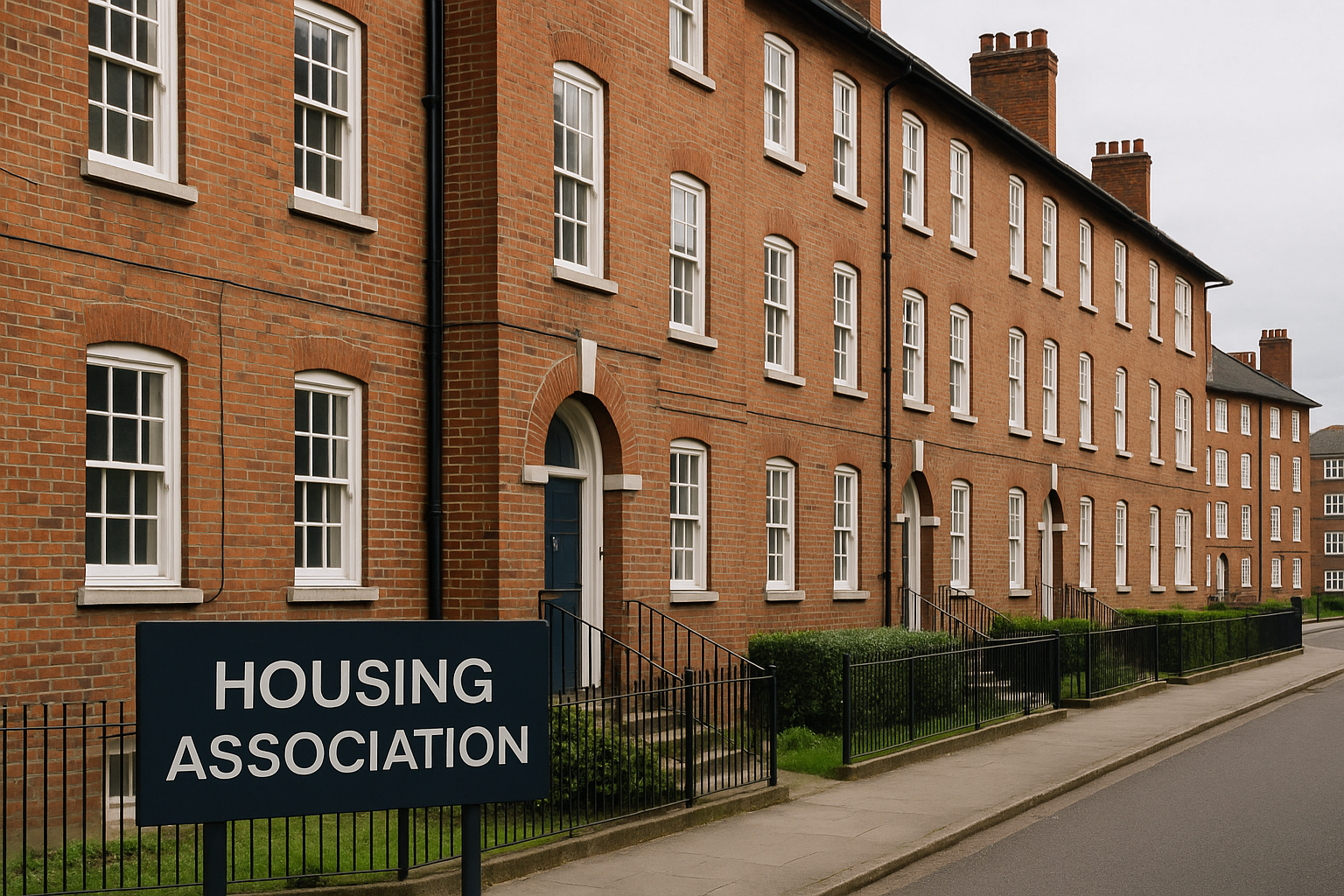
Understanding Housing Associations in London
Housing Associations play a critical role in the housing landscape of London, offering a range of services and housing options for residents. These organizations are pivotal in providing affordable housing, supporting community development, and maintaining sustainable living spaces across the city. This article delves into what Housing Associations are, how they operate, and what you need to know about accessing their services.
What Are Housing Associations?
Housing Associations are independent, not-for-profit organizations that provide and manage affordable housing. They are typically registered social landlords and work alongside local councils to help meet the housing needs of various communities. These entities are crucial in offering lower-cost rented housing and shared ownership schemes to individuals who might find it difficult to secure housing from the open market.
How Do Housing Associations Operate?
In London, Housing Associations operate by acquiring, developing, and managing property portfolios. They are regulated by the Regulator of Social Housing to ensure they provide safe, quality homes and that their governance structures are sound. These associations reinvest any profits they make back into maintaining existing homes, developing new homes, and supporting the social needs of their communities.
Eligibility Criteria for Housing Associations
To qualify for housing through a Housing Association, you typically need to meet certain criteria. While each association may have specific requirements, common criteria include:
- Being a current resident in the UK
- Having a local connection to the area in which you are applying
- Demonstrating a need for housing, often due to overcrowding, medical reasons, or inability to afford private housing
It is important to check with individual associations for detailed eligibility criteria as they can vary significantly.
The Role of Housing Associations in London
Housing Associations are a lifeline for many Londoners. With the capital's property market notoriously expensive, these associations ensure that people who would otherwise be marginalized can access decent housing. They are particularly important in supporting key workers and low-income families.
Recent Developments in 2026
In 2026, the UK government has placed a renewed emphasis on social housing, with plans to increase funding for Housing Associations. This comes in response to the ongoing housing crisis, which has been exacerbated by inflations in the market and economic shifts post-pandemic. According to recent reports [source link pending], there has been a 12% increase in applications to Housing Associations over the past year, demonstrating an increasing reliance on affordable housing solutions.
Accessing Housing Association Services
For those looking to access housing association services, start by contacting your local authority or the relevant Housing Association directly. Most associations offer a simple application process online. It's advisable to provide comprehensive information and documentation to support your application.
Many associations also provide additional services such as financial advice, tenancy support, and community projects. Engaging with these services can be beneficial not just in securing housing but also in building a stable and sustainable living situation.
Case Studies: Success Stories from Housing Associations
Consider the example of Peabody, one of the largest housing providers in London, which has been instrumental in transforming disused areas into vibrant communities. Their recent project involved refurbishing a block of flats in South London, making it environmentally sustainable and energy-efficient. Tenants have reported a 20% reduction in energy bills, highlighting the commitment of Housing Associations to not only provide housing but also improve living conditions sustainably.
Challenges Facing Housing Associations
Despite their essential role, Housing Associations face several challenges, including funding constraints and the demand for housing outstripping supply. The ongoing maintenance and refurbishment of properties also require significant investment. [source link pending]
Associations are actively lobbying for government support to ensure they can continue to meet the needs of London's diverse population. Public awareness and understanding of the importance of social housing can also play a role in supporting these organizations.
Conclusion
Housing Associations are a foundational element of London's housing ecosystem, helping many people to secure safe and affordable homes. As the demand for affordable housing grows, understanding the workings, benefits, and services of these associations can be a step towards finding suitable housing solutions. By staying informed and engaged with your local associations, you can take advantage of the opportunities they provide and contribute to a sustainable housing future in London.