Essential Guide to Properly Lubricating Your Garage Door for Smooth Operation
Discover essential tips to lubricate your garage door effectively! Regular maintenance, including lubricating your garage door, can enhance its performance and longevity. Our guide offers insights on choosing the right products and applying them safely.
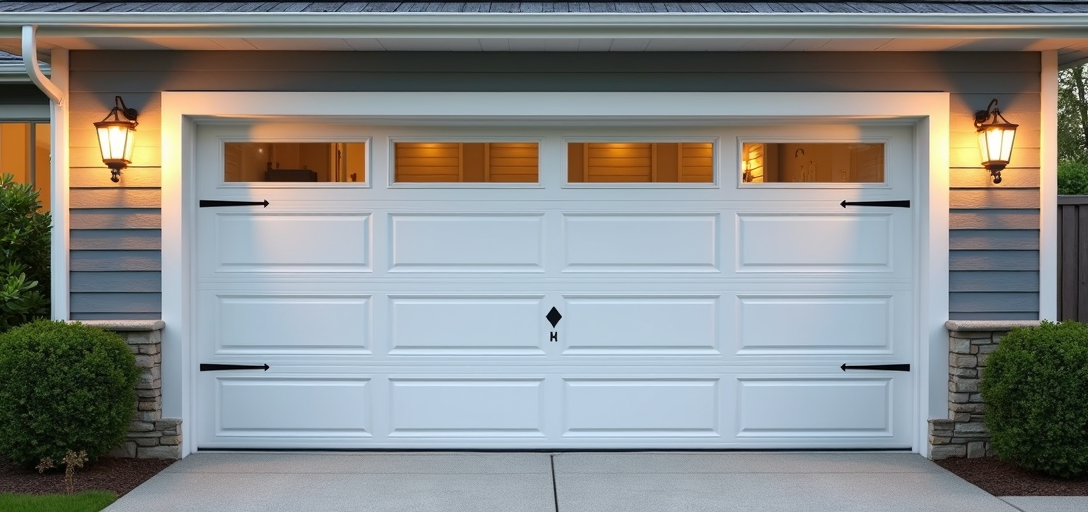
Understanding the Importance of Garage Door Maintenance
Proper maintenance of your garage door not only extends its life but also enhances the safety and functionality of your home. One key aspect of maintenance is lubrication, which ensures your door operates smoothly and quietly. By focusing on lubrication, you prevent wear and tear, minimize repair costs, and improve the overall efficiency of your garage door.
In this guide, we'll answer the most common questions related to lubricating your garage door, providing you with comprehensive information and step-by-step instructions to help you maintain this critical component of your home.
Why Lubrication Is Essential for Garage Doors
Every time you open or close your garage door, numerous mechanical components work together to make the process smooth and effortless. These components include springs, rollers, hinges, and tracks, each playing a vital role in your door's operation. Without proper lubrication, these parts can grind together, creating noise, increasing friction, and leading to potential damage.
Benefits of Regular Garage Door Lubrication
- Reduces Noise: A well-lubricated garage door operates quietly, eliminating the squeaks and grinding noises that can be annoying and indicative of wear.
- Prevents Rust: Lubrication offers a protective layer against moisture, preventing rust and corrosion that can weaken metal components.
- Extends Lifespan: By reducing friction, you minimize the wear on moving parts, potentially extending the lifespan of the door and its mechanisms.
- Improves Efficiency: A lubricated door opens and closes more smoothly, reducing strain on the motor and enhancing energy efficiency.
How to Lubricate Your Garage Door: A Step-by-Step Guide
Gathering the Necessary Supplies
Before you begin the lubrication process, make sure you have all the necessary supplies on hand. Here’s a list of what you'll need:
- Lubricant: Choose a high-quality garage door lubricant, such as a silicone-based spray or lithium grease. Avoid WD-40, as it is a cleaner, not a lubricant.
- Cloth: Have a clean cloth or rag ready for wiping down components before applying lubricant.
- Safety glasses: Protect your eyes from any spray that may miss the target.
- Stepladder: If you need to reach higher components, use a sturdy stepladder for safety.
Lubricating the Key Components
Step 1: Clean the Tracks
While you don't need to lubricate the tracks themselves, it's crucial to keep them clean. Wipe them down with a damp cloth to remove dust and debris, ensuring nothing obstructs the rollers.
Step 2: Lubricate the Rollers
Apply lubricant to the bearings within the rollers. If your rollers are nylon, take extra care to avoid oversaturating the material. Apply lubricant sparingly to metal parts, then roll the door up and down a couple of times to distribute the lubricant evenly.
Step 3: Lubricate the Hinges
Pay special attention to the hinges, particularly those connecting each door panel. Apply lubricant to the pivot points of the hinges, ensuring the lubricant penetrates the moving parts to reduce noise and friction.
Step 4: Lubricate the Springs
The springs play an essential role in balancing the door's weight. Apply lubricant to the torsion springs located over the door, allowing it to seep into the coils and reducing friction as the springs expand and contract.
Step 5: Lubricate the Locks
If your garage door has a manual lock, apply a small amount of lubricant to the keyhole and moving metal parts within the locking mechanism. This will ensure smooth operation and prevent jamming.
Common Mistakes to Avoid When Lubricating Garage Doors
While lubricating your garage door is relatively straightforward, certain pitfalls can lead to less effective maintenance. Here are some common mistakes to avoid:
- Over-Lubricating: Applying too much lubricant can attract dirt and debris, leading to grime build-up and more friction over time.
- Using Incorrect Products: As mentioned earlier, products like WD-40 are cleaners, not lubricants. Always use products specifically designed for lubrication.
- Ignoring the Rollers: Nylon rollers can crack or degrade over time. Regular inspection and appropriate lubrication are crucial for longevity.
Frequently Asked Questions About Garage Door Lubrication
How often should I lubricate my garage door?
For the best results, lubricate your garage door components at least twice a year. If you live in an area with extreme weather conditions, you might want to increase this frequency to ensure optimal performance.
What type of lubricant should I use?
A silicone-based lubricant or white lithium grease is recommended for garage doors. These products are specifically designed to withstand varying temperatures and reduce noise and friction effectively.
Can I do this myself, or should I hire a professional?
Most homeowners can handle garage door lubrication themselves following the steps outlined in this guide. However, if you come across any problems that seem beyond simple lubrication, such as broken springs or cables, it's best to contact a professional technician.
Conclusion
Regular lubrication is a simple yet essential part of garage door maintenance that can save you time and money in the long run. By following the steps in this guide, you ensure that your garage door remains a reliable and efficient part of your home for many years to come. Remember, preventive maintenance is always better than costly repairs.