Essential Guide to Safely Cleaning Your Hearing Aids
Explore effective methods to clean hearing aids gently, ensuring optimal performance and longevity. Discover the best practices to maintain your device in good condition without causing damage.
Understanding the Importance of Proper Hearing Aid Maintenance
Hearing aids are essential devices for millions of people in the US, helping to improve the quality of life for those with hearing impairments. However, like any other device, they require regular maintenance to function correctly and extend their lifespan. According to a 2026 survey by the Hearing Loss Association of America, nearly 20% of hearing aid users reported device malfunction due to improper cleaning and maintenance practices. Therefore, understanding how to clean your hearing aids without ruining them is crucial for sustained performance and durability.
Types of Hearing Aids
Before delving into cleaning techniques, it is vital to identify the type of hearing aid you own, as different types require specific care methods. The main types of hearing aids include:
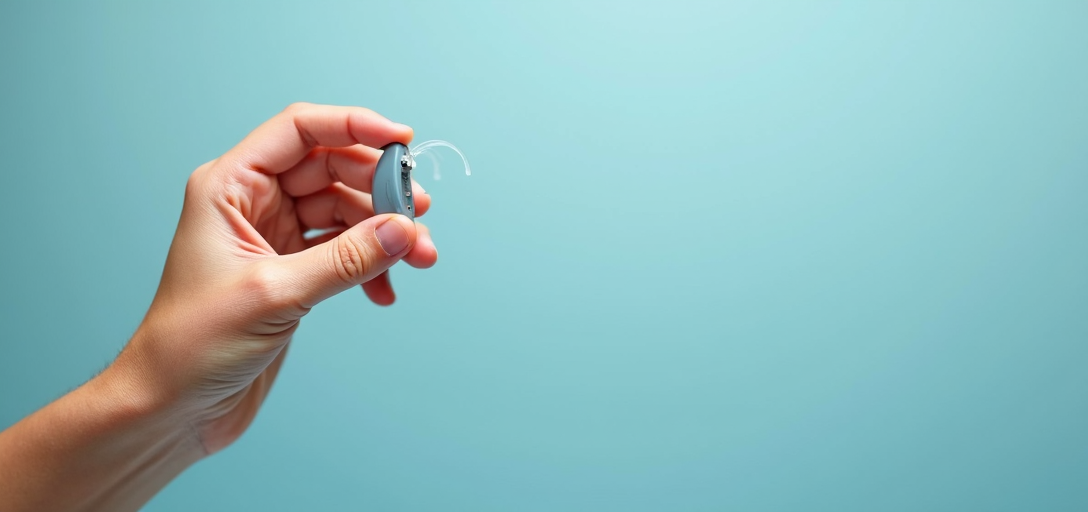
- Behind-the-Ear (BTE): These hearing aids rest behind the ear and are connected to an earmold inside the ear canal.
- In-the-Ear (ITE): ITE aids fit within the outer ear and are used for mild to severe hearing loss.
- In-the-Canal (ITC) and Completely-in-Canal (CIC): These are more discreet devices that are custom-fitted to the ear canal.
Each type has its unique cleaning requirements, which we'll cover in detail below.
Step-by-Step Guide to Cleaning Your Hearing Aids
Daily Cleaning Routine
To keep your hearing aids in optimal condition, a daily cleaning routine is essential. Here's a step-by-step guide:
- Inspect the device: Before cleaning, visually check your hearing aids for any visible debris or damage.
- Brush away debris: Using a soft-bristled brush, gently remove any wax or dirt. This is especially important for the microphone and receiver.
- Wipe with a dry cloth: Use a clean, dry cloth to remove any additional moisture or dirt. Avoid using water or cleaning solutions.
Weekly Deep Cleaning Actions
Performing a deeper clean once a week helps prevent buildup of wax and other debris:
- Disassemble if possible: For BTE models, remove the earmold from the hook and clean separately.
- Use a bulb blower: If your hearing aids are water-resistant, a bulb blower can help clear out any moisture or debris within the tubing.
- Wax guards: Replace these as needed, depending on your hearing aid model and manufacturer's instructions.
Avoiding Common Hearing Aid Cleaning Mistakes
While cleaning your hearing aids, avoid these common errors to ensure their longevity:
- Using water or solvents: Most hearing aids are not waterproof. Exposure to water can cause significant damage. Always use dry cleaning methods.
- Using sharp objects: Trying to remove debris with pins or needles can lead to damage. Stick to soft tools provided by the manufacturer.
The Role of Professional Cleaning and Maintenance
Even with regular at-home care, professional cleaning is essential. Audiologists and hearing aid specialists can provide in-depth cleaning and maintenance services that are not possible at home. In the US, it's recommended to have professional cleaning every six months for optimal performance.
Tech Innovations in Hearing Aid Maintenance
As of 2026, advancements in technology have made hearing aid maintenance easier and more efficient. For example, some models now come equipped with self-cleaning capabilities that utilize UV light to kill bacteria and remove debris.
Conclusion: Keeping Your Hearing Aids Clean and Effective
Proper cleaning and maintenance of hearing aids ensure that they last longer and perform their best. By following the guidelines outlined above, you can prevent common problems and protect your investment. Remember, when in doubt, consult with your audiologist to tailor a maintenance routine specific to your device type and lifestyle.