Essential Guide: When to Transition from All-Season to Winter Tires
Wondering about the optimal time to switch from allseason tires to dedicated winter tires? As temperatures drop and roads become icy, knowing when to make the change can significantly enhance your driving safety.
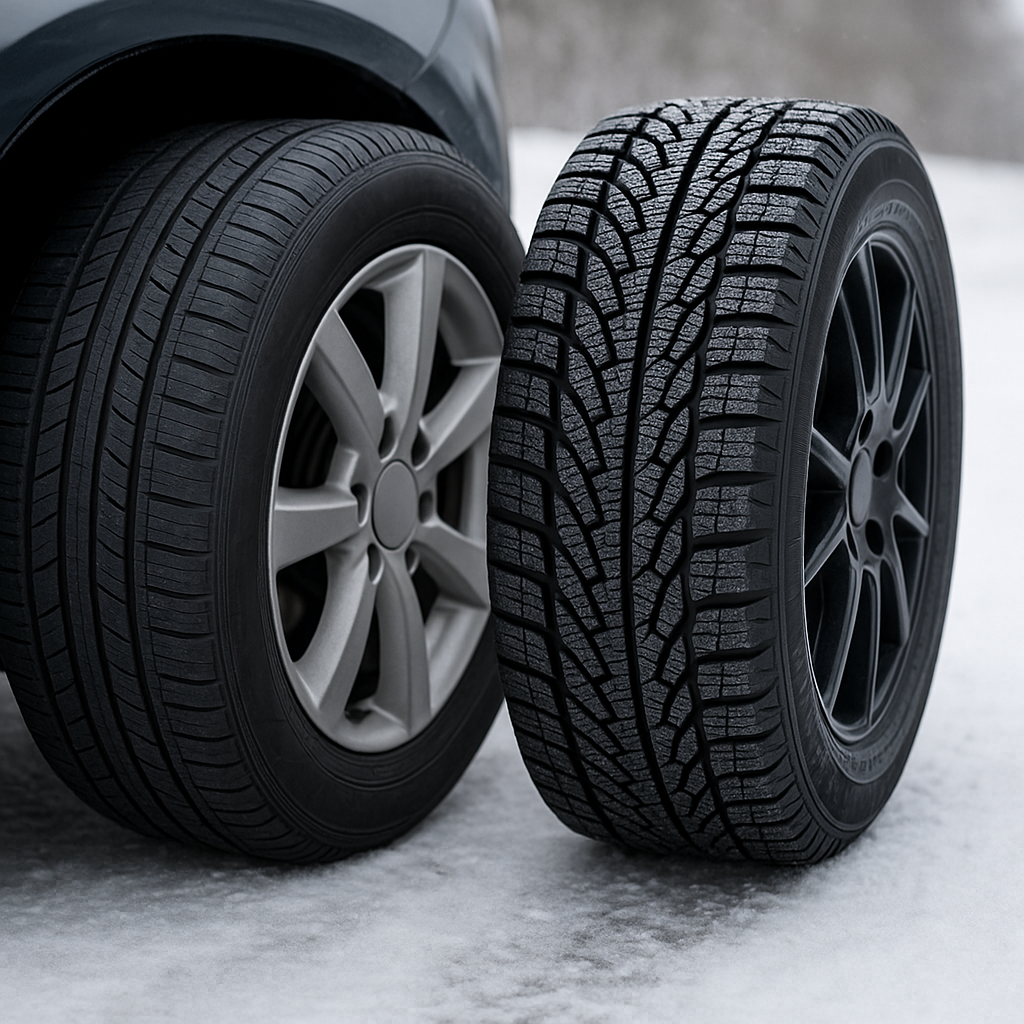
Why Consider Switching to Dedicated Winter Tires?
When the seasons change, especially from autumn to winter, it's important to reconsider your vehicle's tire setup to ensure maximum safety and performance. Although all-season tires might seem convenient, they aren't always the best choice for winter driving conditions. Understanding the difference between all-season and winter tires is crucial to making an informed decision.
All-season tires are designed to provide a balance of performance in a variety of conditions, including dry and wet roads, and light snow. However, they may begin to lose their effectiveness when temperatures drop significantly. On the other hand, winter tires are specially engineered to handle challenging winter conditions like slush, ice, and snow. Their tread patterns and rubber compositions allow better traction, braking, and handling on cold and slippery surfaces. According to a Consumer Reports study from 2026, vehicles equipped with winter tires can stop on icy surfaces up to 20% faster than those with all-season tires.
When Should You Make the Switch?
Knowing the right time to swap to winter tires depends on several factors, including the local climate, your typical driving conditions, and safety requirements. A general recommendation is to switch to winter tires when the temperature consistently drops below 45 degrees Fahrenheit. At this temperature threshold, the rubber in all-season tires can harden and lose its grip capabilities.
Regional Considerations
Your geographical location plays a critical role in determining the need for winter tires. If you live in an area that experiences harsh winters, with frequent snowfalls and icy roads, it’s advisable to make the switch earlier in the season. For example, residents in northern states or regions near the Great Lakes often see winter weather as early as October. Meanwhile, those in milder climates can hold off until November or December.
What Are the Key Benefits of Winter Tires?
Winter tires provide a range of benefits that significantly enhance your safety on the road during the winter months. Here are some notable advantages:
- Improved Traction: Winter tires have deeper tread depths and more biting edges that help maintain traction on snowy and icy roads. They are engineered to handle winter weather hazards more effectively than all-season tires.
- Optimized Rubber Compounds: The rubber used in winter tires remains flexible at lower temperatures, enhancing grip and control on cold surfaces. This flexibility allows them to adapt better to the road surface, unlike the harder rubber compound of all-seasons at these temperatures.
- Braking Efficiency: The tread design of winter tires aids in reducing stopping distances on slippery roads. According to a test by Tire Rack, cars with winter tires can stop up to 35% faster on snowy roads compared to those with all-seasons.
Common Questions About Winter Tires
Do I Need All Four Winter Tires?
It’s a common misconception that only two winter tires are sufficient for improved winter performance. Automotive experts consistently recommend installing all four winter tires. Using only two can lead to an imbalance in traction, affecting the vehicle’s handling and braking ability, and potentially causing understeer or oversteer in slippery conditions.
Are There Situations Where All-Season Tires Are Enough?
While winter tires are recommended for extreme winter conditions, all-season tires may suffice in areas with mild weather without frequent snowfall or icy roads. Their versatility makes them suitable for drivers living in areas with a balanced climate throughout the year. Nevertheless, it’s essential to assess personal driving needs and local conditions before deciding.
How Do Winter Tires Affect Fuel Efficiency?
Some drivers worry about the impact of winter tires on fuel efficiency. While they do create slightly more rolling resistance due to their deeper tread patterns, the increased safety and handling benefits in winter conditions typically offset this concern. Most modern winter tires are designed to be fuel-efficient without compromising performance or safety.
Tips for Making the Tire Change Process Easier
Transitioning to winter tires doesn't have to be cumbersome. Here are a few tips to streamline the process:
- Plan Ahead: Schedule your tire change in advance to avoid last-minute rushes, especially as winter approaches when demand spikes.
- Check Tire Size: Ensure that you purchase the correct size and specifications for your vehicle model to achieve optimal performance and safety.
- Inspect and Maintain Regularly: Regularly inspect your winter tires for wear and adequate pressure. Proper maintenance will extend their lifespan and ensure consistent safety.
- Utilize Tire Shops: Many tire shops offer seasonal storage services for your off-season tires, freeing up space in your garage and ensuring your tires are stored in optimal conditions.
Conclusion
Switching from all-season to dedicated winter tires as the cold months approach is a critical decision to enhance your vehicle’s safety and performance. By considering local weather conditions, understanding the distinct benefits of winter tires, and planning your tire change, you can navigate the icy roads with confidence. Stay informed and make proactive choices to ensure that you and your loved ones are safe on the road during winter.