Essential Home Modifications for Aging in Place: A Practical Guide
Discover essential home modifications to enhance comfort and safety for aging in place. Learn which updates can help maintain independence and meet evolving needs. From bathroom adjustments to improved lighting, these ideas offer practical solutions.
Understanding Aging In Place
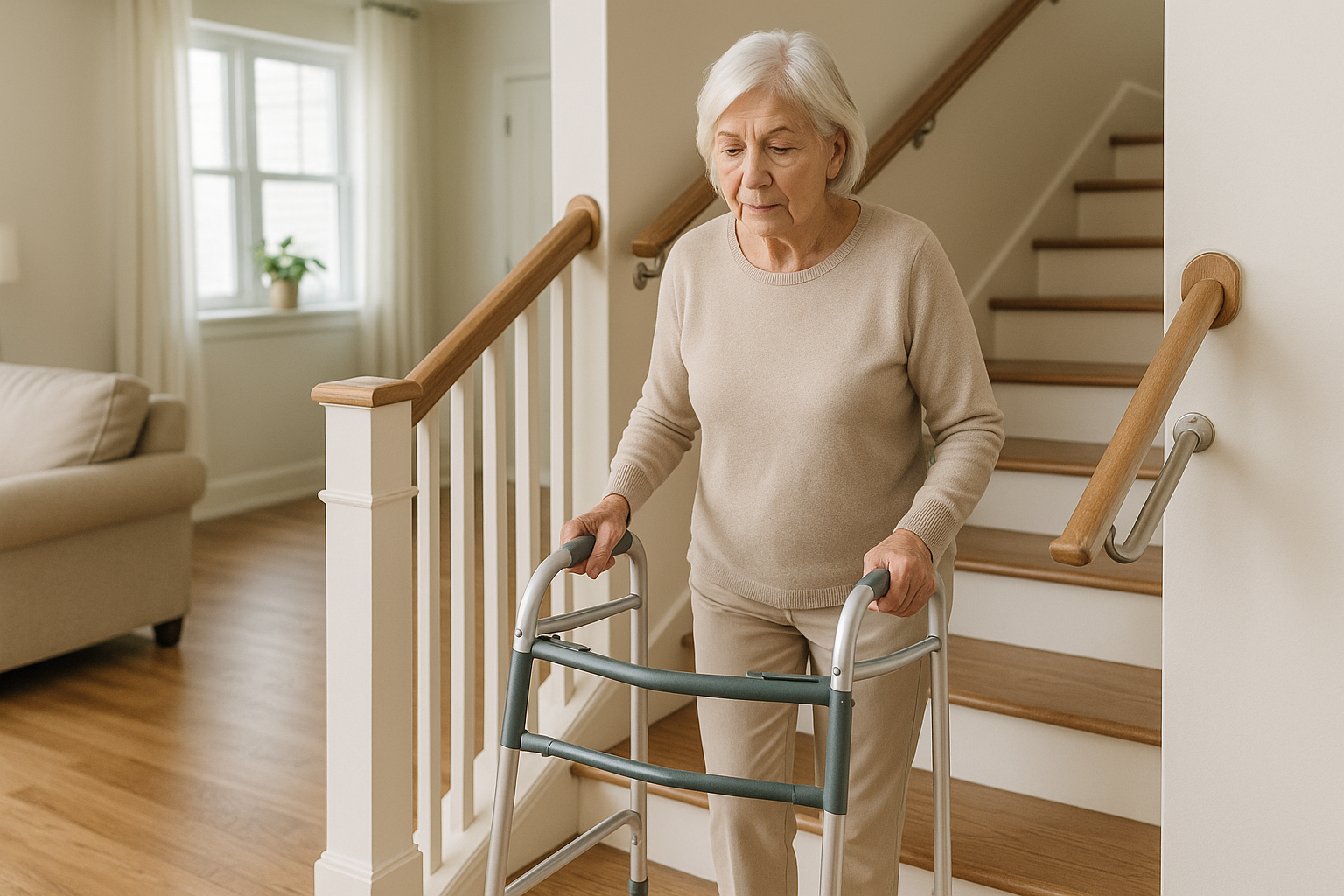
Aging in place refers to the ability of older adults to live safely and independently in their own homes for as long as possible. As the global population ages, more people are looking to maintain their independence while enjoying familiar surroundings. According to the U.S. Census Bureau, in 2026, about 16.5% of the U.S. population will be aged 65 and older, which highlights the growing significance of this concept. Ensuring the home environment is conducive to aging in place is crucial, and proper modifications can make a significant difference.
What Are The Must-Have Home Modifications For Aging In Place?
1. Accessible Entryways
One of the first areas to focus on is the entryway of the home. An accessible entryway eliminates barriers and eases entry and exit for those with mobility challenges. Consider the following modifications:
- Ramps: Replace stairs with ramps to allow easier wheelchair or walker access. Ensure ramps have a gentle slope and are made from non-slip materials.
- Widened Doorways: Widen doorways to a minimum of 36 inches to accommodate wheelchairs and walkers.
- Lever Handles: Install lever-style door handles instead of traditional knobs for easier operation by individuals with limited dexterity.
2. Safe and Convenient Bathrooms
Bathrooms can be hazardous due to slippery surfaces and limited spaces. Modifying this area improves safety and convenience.
- Walk-In Showers: Replace bathtubs with walk-in showers that have a low threshold. Consider including a built-in bench for sitting.
- Grab Bars: Install grab bars near the shower, toilet, and bath area to provide support and prevent falls. Ensure these are securely anchored to the wall.
- Non-Slip Flooring: Opt for non-slip tiles or install non-slip mats to reduce the risk of falling on wet surfaces.
- Adjustable Shower Heads: Use handheld or adjustable shower heads for ease of use and increased flexibility for users.
3. Kitchen Adjustments
Kitchen modifications can make a big difference in maintaining independence. Here are a few key considerations:
- Lowered Countertops: Lower countertops to suit wheelchair users better and ensure they are within easy reach.
- Cabinetry: Replace traditional cabinets with pull-out shelves and drawers that allow easier access to stored items.
- Appliance Accessibility: Install wall ovens at a convenient height and use side-opening doors. Consider induction cooktops for their safety features.
4. Flooring Modifications
Flooring is often overlooked, but certain types can reduce accident risk and improve mobility.
- Non-Slip Surfaces: Use non-slip flooring materials, especially in frequently wet areas like kitchens and bathrooms.
- Level Transitions: Ensure seamless transitions between rooms to avoid tripping hazards. Floor transitions should be smooth, without raised edges.
- Low-Pile Carpeting: Install low-pile carpeting to reduce tripping risks and provide a softer surface in the event of a fall.
Considering Technological Solutions
Technology is playing a crucial role in facilitating aging in place. Incorporating smart home technologies can enhance safety and convenience.
- Medical Alert Systems: Equip homes with medical alert systems that offer immediate assistance at the press of a button.
- Smart Lighting: Use motion-sensor lighting or voice-activated lighting systems to ensure homes remain well-lit and accessible during the night.
- Home Automation: Employ smart home systems that control locks, entryway cameras, thermostats, and other devices remotely.
Financial Considerations and Funding Options
Understanding financial options for home modifications can alleviate the burden. In 2026, numerous programs support seniors in securing the necessary funds.
- Medicare/Medicaid: While Medicare does not widely cover home modifications, Medicaid may assist depending on the state’s program.
- Veterans’ Programs: If you are a veteran, explore benefits from the Department of Veterans Affairs for home modification support.
- Nonprofit Organizations: Some organizations, such as Rebuilding Together, offer assistance in home repairs and modifications for low-income seniors.
Conclusion: Creating a Senior-Friendly Home
The goal of modifying a home for aging in place is to foster independence, safety, and comfort. Taking proactive steps to implement these modifications ensures that the home environment evolves to meet the needs of its occupants. By focusing on both the structural elements and technological advancements, individuals can significantly improve their quality of life as they age, minimizing risks, and enhancing overall satisfaction.
For further guidance and resources, consider reaching out to organizations like the National Institute on Aging or exploring AARP’s detailed guides on home modifications.