Essential Homeowners Insurance Tips for Protecting Historic and Older Homes
Thinking about homeowners insurance for historic and older homes in 2026? Navigating the nuances of insuring these uniquely valued properties can be challenging. Discover how homeowners insurance for historic homes might offer essential coverage options to protect your investment.
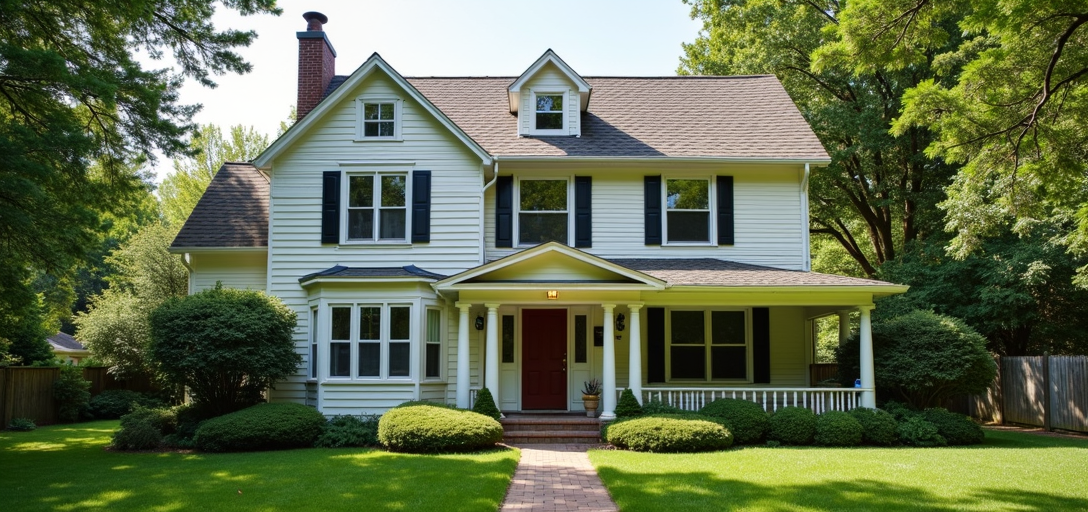
Understanding Homeowners Insurance for Historic and Older Homes
Homeowners insurance is crucial for any property owner, but it becomes particularly important when dealing with historic and older homes. These properties, while charming and full of character, come with their own unique set of challenges. Understanding how insurance works for these types of homes can help homeowners protect their investments effectively.
Why Do Historic and Older Homes Require Special Insurance?
Historic and older homes are unique not only in their architectural style but also in their construction materials and methods. These factors can significantly affect both the risk profile and the insurance policy structure.
- Materials and Construction: Many older homes were built with materials and techniques that are either unavailable or non-compliant with modern building codes. Consequently, repairs can be more costly and require specialized contractors.
- Age and Wear: The age of these homes often means that their systems (electrical, plumbing, roofing) might be outdated and more prone to failures, which increases the risk for insurers.
- Unique Features: Historic homes often include unique architectural details and craftsmanship that are irreplaceable and require higher insurance coverage to reproduce in the event of damage.
Key Considerations When Insuring a Historic or Older Home
When shopping for homeowners insurance, there are several key considerations for historic and older homes:
- Market vs. Replacement Value: Many standard insurance policies focus on the market value of a home, but with historic properties, the replacement value (the cost to rebuild or repair to the original standard) is usually of greater importance.
- Coverage for Compliance: Ensure your policy covers the cost of bringing any rebuild or repair up to current building codes, a common requirement that can dramatically increase costs.
- Specialized Perils: Some policies might exclude perils that are more common in older homes, so it is crucial to check what is covered specifically.
What Type of Coverage Do You Need?
For historic and older homes, a standard policy may not provide adequate coverage. Here's a breakdown of what to consider:
- Dwelling Coverage: This should consider the replacement value, not just the market value, to ensure you can afford to rebuild your home to its original state.
- Ordinance or Law Endorsement: This can cover the costs associated with updates required to make any rebuilds meet current safety standards and building codes.
- Extended or Guaranteed Replacement Cost: Look for policies that offer either extended or guaranteed replacement cost, which can cover rebuilding costs beyond standard limits.
Recent Trends and Data in Home Insurance for Historic Properties (2026)
Recent data from the National Association of Insurance Commissioners (NAIC) shows a growing trend in specialized insurance policies tailored for historic and older homes. This trend reflects the increasing demand for such homes as property investments continue to rise across the United States. According to a recent study, premiums for these specialized policies have seen a modest increase of 3% over the past year, indicating stability in the market. NAIC Website.
Furthermore, a 2026 survey by the American Institute of Architects (AIA) highlighted the importance of maintaining architectural integrity in historic homes, a factor that has prompted many insurance companies to offer additional endorsements specifically for preservation efforts. Learn more from the AIA Survey.
Choosing the Right Insurance Provider
Not every insurance company offers policies tailored to the unique needs of historic homes. When selecting an insurance provider, consider the following:
- Experience and Expertise: Choose insurers with a proven track record in handling claims for historic properties.
- Customer Reviews and Ratings: Research customer feedback and professional ratings to evaluate reliability and customer service quality.
- Policy Options and Flexibility: Providers offering a range of coverage options and flexible policies are preferable to accommodate specific needs like rare material replacement.
Conclusion
Insuring a historic or older home involves a careful consideration of several factors unique to the charm and character of these properties. With the right information and an understanding of both your home's needs and the insurance market, you can secure the coverage that best protects your beloved home. Learning from the latest data and utilizing specialized policies can provide peace of mind and preserve the value of your historic property.