Essential Insights Before Installing a Standby Generator
Thinking about installing a standby generator? Here's what you need to consider before making the decision. Installing a standby generator can provide peace of mind during power outages, but it's important to evaluate your home's needs, budget, and the unit's features.
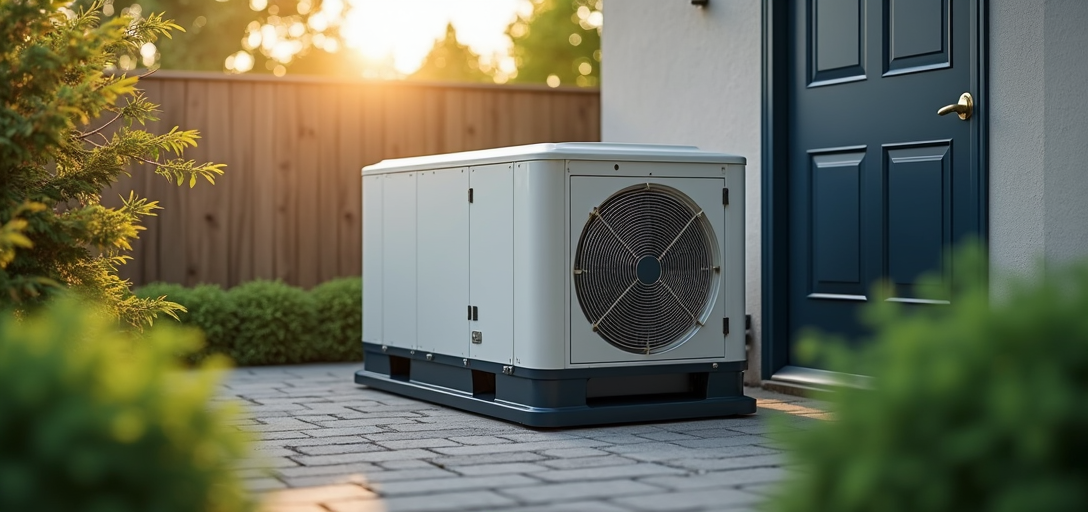
Understanding the Need for a Standby Generator
As extreme weather events become more frequent, ensuring a reliable power supply is more important than ever for US households. A standby generator can provide invaluable peace of mind, especially during prolonged power outages. Whether due to hurricanes along the eastern seaboard, tornadoes in the midwest, or ice storms in the north, power disruptions are increasingly common.
According to the U.S. Energy Information Administration, the average American experienced over eight power interruptions in 2026, up from six in 2022. With this rising trend, having a standby generator is no longer a luxury but a necessary asset for many homeowners.
How Does a Standby Generator Work?
A standby generator is a backup electrical system that automatically kicks in when the normal electricity supply is interrupted. Typically powered by natural gas or propane, these generators can deliver power to essential circuits and appliances within seconds of a power outage.
The Basics of Operation
- Automatic Transfer Switch (ATS): The ATS monitors electricity flow and directs the generator to turn on when it detects a disruption.
- Generator Engine: This engine uses fuel (natural gas or propane) to turn the generator's alternator and produce electricity.
- Distribution: The generated power is then routed through your home’s electrical system to run key appliances and systems.
Benefits of Installing a Standby Generator
Investing in a standby generator offers numerous benefits that can be crucial under certain circumstances.
Uninterrupted Power Supply
Standby generators are designed to turn on within seconds of a power outage, ensuring that your home experiences minimal to no interruption. This capability is vital for homes with members who rely on electrically powered medical devices.
Increased Property Value
In many real estate markets, a home with a standby generator is more attractive to potential buyers. It communicates preparedness and forethought, and it indicates lower future utility hassles during emergencies.
Long-Term Financial Savings
While the initial cost of a generator can be substantial, the long-term savings on food spoilage and damage to electrical devices can make it a worthwhile investment. Additionally, having a generator can lower homeowners insurance rates in some cases.
Key Considerations Before Installing a Generator
Before committing to a purchase, there are several critical factors and decisions you should take into account.
Power Needs Assessment
Determine what appliances and systems are essential for your home to maintain during an outage. This could include refrigerators, heating systems, lighting, security systems, and medical equipment. Calculating the cumulative wattage will help in selecting an appropriately sized generator.
Fuel Type Options
The choice between natural gas, propane, and diesel depends on fuel availability, storage space, and cost. Natural gas is typically preferred in urban areas due to its steady supply, whereas rural users might opt for propane because of easier storage.
Permitting and Installation
Installation of a standby generator often requires permits and inspections, especially when connecting to natural gas lines. Working with a licensed electrician and following local code requirements is essential to ensure safety and compliance.
The Costs Associated with Standby Generators
Standby generators represent a significant investment, and understanding the costs can help in making an informed decision.
Initial Purchase and Installation Costs
The cost of a standby generator can range from $3,000 to $15,000, depending on its power capacity, brand, and features. Installation may add another $2,000 to $5,000, bringing the total upfront expense to between $5,000 and $20,000.
Maintenance and Operational Costs
Regular maintenance is crucial for reliable operation. Expect to spend around $150 to $300 annually for professional servicing. Fuel costs, while variable, average around $2.50 per hour of operation for propane-fueled generators.
Choosing the Right Generator for Your Home
Selecting the right generator involves balancing power needs with budget constraints.
Best Brands and Models in 2026
The best generators in 2026 include brands like Generac, Kohler, and Cummins, known for their reliability and customer support. Each offers a range of models that cater to different power needs and budgets.
Professional Consultation
Engaging with a certified contractor for a consultation can provide insights into local electrical requirements, optimal generator placement, and seamless installation processes.
Conclusion
Installing a standby generator is a wise decision for many US homeowners in 2026. With the increasing likelihood of power outages, having a reliable backup system in place ensures the safety, comfort, and security of your household. However, it is crucial to consider all factors, from power requirements to budget, to ensure the best outcomes.
For further reading, organizations such as the U.S. Department of Energy and Ready.gov offer comprehensive guides on power outage preparedness and generator use.