Essential Insights Before Investing in a 20x40 Log Cabin Kit
Thinking of buying a 20x40 log cabin kit? Discover essential insights that can save you time and money. Whether you dream of a cozy cabin getaway or a spacious rustic home, understanding the specifics of 20x40 log cabin kits can make all the difference.
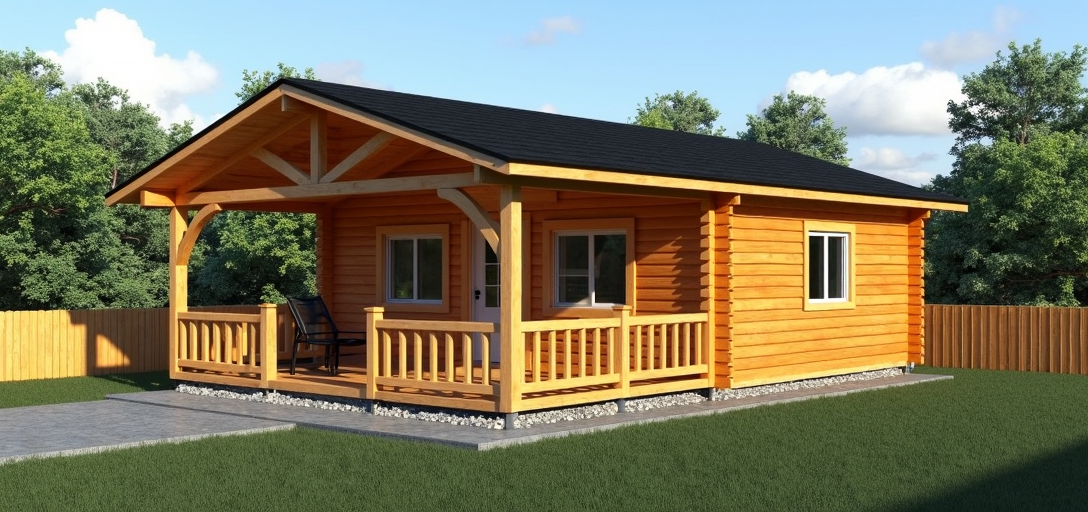
Understanding the Basics of 20x40 Log Cabin Kits
20x40 log cabin kits offer a unique combination of rustic charm and modern convenience, making them a popular choice for those looking to build a cabin in the US. Before diving into a purchase, it's crucial to understand what these kits entail to ensure they meet your specific needs.
What Exactly is a Log Cabin Kit?
A log cabin kit includes pre-cut logs and materials necessary to assemble a cabin. Typically, these kits come with everything needed except for the foundation, plumbing, and electrical wiring. The aim is to simplify the construction process while allowing some level of customization based on your preferences.
Why Choose a 20x40 Size?
The 20x40 size provides an ideal balance between space and affordability, offering around 800 square feet of living space. This size can comfortably accommodate a single-family setup or serve as a spacious vacation home. It also provides a large enough area for creative interior design while maintaining manageable maintenance costs.
Key Considerations Before Buying a Log Cabin Kit
While log cabin kits offer appealing simplicity, several factors should be reviewed to ensure they meet your expectations and requirements.
Budgeting and Cost Considerations
Prices for 20x40 log cabin kits can vary widely, from $40,000 to $100,000 or more, depending on the wood quality, additional materials, and customization options. Consider additional costs for site preparation, foundation, utilities, and transportation of materials.
- Site Preparation: Includes land clearing and grading.
- Foundation: Depending on soil quality and structure preferences.
- Utilities: Installation of plumbing and electrical systems.
- Labor Costs: Potential hiring of contractors or builders.
A comprehensive budget plan ensures no surprises halfway through your project.
Location and Land Preparation
Evaluating your land’s suitability for building is crucial. Ensure your plot meets local zoning laws and building codes. Additionally, assessing the accessibility of your site for transporting materials is a vital logistical step.
- Check zoning laws and permits in your area.
- Analyze soil stability for foundation laying.
- Consider proximity to necessary utilities.
Building and Maintenance of Your Log Cabin
Construction Timeline and Process
Most 20x40 log cabin kits are designed for ease of assembly and can be completed in a matter of weeks with a dedicated workforce. This, however, largely depends on the construction team's skill level and weather conditions. Familiarize yourself with the construction timeline and process to manage expectations effectively.
Maintenance Needs and Strategies
Log cabins require specific maintenance to preserve their structural integrity and aesthetic appeal. Regular inspections for pest invasions, cracks, or water damage should be conducted. Additionally:
- Apply stain or sealant every 3-5 years to protect against weathering.
- Ensure proper drainage around the cabin to prevent water damage.
- Keep logs clean to avoid mold and decay.
Insurance and Safety Considerations
Securing insurance coverage tailored to log homes is essential since they may present unique risks like increased susceptibility to fire and pests. Speak with insurance agents specializing in log homes to find policies that cover these specific needs.
Sustainability and Log Cabin Kits
The environmental impact of constructing and living in log cabins has become a pertinent consideration. Log homes can be remarkably sustainable, provided they are built with materials sourced from responsibly managed forests. Look for kits certified by the Forest Stewardship Council (FSC) to ensure environmentally friendly practices are followed.
Additionally, consider incorporating renewable energy sources like solar panels to enhance sustainability. This not only benefits the environment but can significantly reduce long-term utility expenses.
Additional Resources and Conclusion
Building a 20x40 log cabin is a significant investment of both time and resources. It's recommended to conduct thorough research and seek professional advice where necessary to ensure your project is successful. For further guidance, explore the following resources:
Log cabin kits offer a blend of simplicity, beauty, and practicality, making them an appealing choice for many. By understanding the ins and outs of purchasing and constructing a kit, you set the stage for a rewarding endeavor that results in a charming, personalized home.