Essential Insights for Drivers Considering Usage-Based Insurance
When considering usagebased insurance, drivers should weigh several important factors. This innovative approach could potentially lower premiums based on driving habits. However, understanding the nuances of usagebased insurance is key.
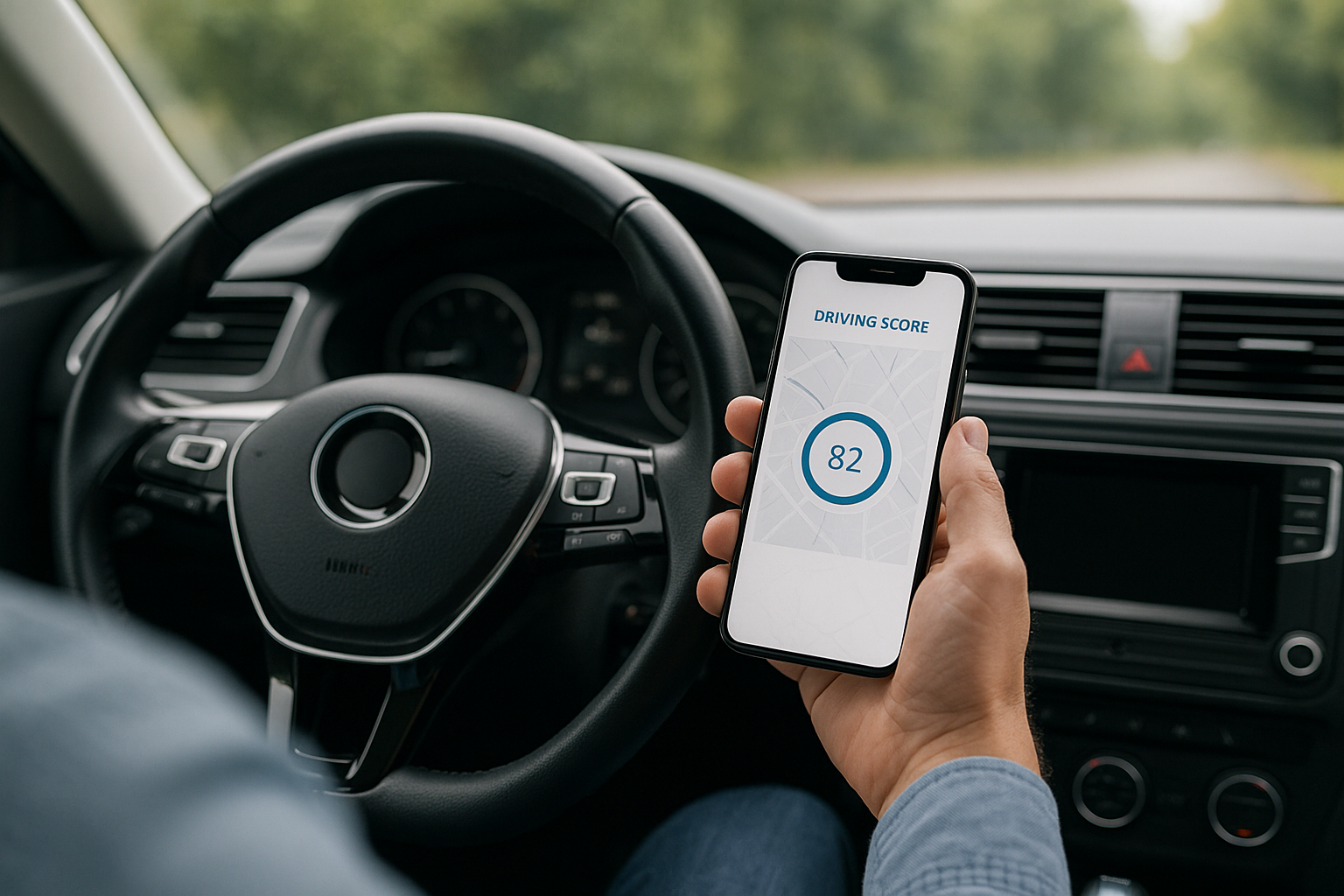
Understanding Usage-Based Insurance (UBI)
Before diving into the specifics of choosing a usage-based insurance policy, it's essential to understand what it is. Usage-Based Insurance, or UBI, is a type of vehicle insurance that monitors driving behavior using telematics devices, allowing insurers to tailor premiums based on individual driving habits. This personalized approach can often lead to cost savings for cautious drivers.
How Does UBI Work?
UBI programs utilize telematics technology, typically through a device installed in your car or an app on your smartphone. These technologies track various data points such as speed, braking patterns, distance driven, and time of day when driving. The collected data helps insurers assess the risk more accurately, aligning premiums with actual driving behavior rather than relying solely on broad demographic factors.
Key Benefits of UBI
- Cost Savings: Drivers who have safe driving habits can potentially save on their insurance premiums.
- Encourages Safe Driving: Knowing that your driving is being monitored can encourage more cautious driving.
- Environmental Impact: UBI often incentivizes driving less, leading to reduced emissions.
Factors to Consider Before Choosing UBI
Driving Habits
One of the first things to consider is how your current driving habits align with the principles of UBI. If you frequently engage in risky driving behaviors, such as speeding or harsh braking, UBI may not be cost-effective. Conversely, if you're a careful driver who racks up fewer miles, UBI can offer significant savings.
Privacy Concerns
Some drivers are wary of UBI due to privacy concerns, as it involves continuous monitoring of driving behavior. It's crucial to understand what data is being collected and how it is used. Ensure your insurer’s privacy policy aligns with your comfort level regarding data sharing.
Insurance Coverage and Discounts
While UBI primarily affects premium costs, it's important to verify that your policy still provides adequate coverage for your needs. Additionally, many insurers offer specific discounts related to UBI, which may further enhance the attractiveness of these policies.
Real World Examples of UBI Savings
Several insurance providers have reported substantial savings for their customers due to UBI. For instance, a 2026 study by the National Association of Insurance Commissioners (NAIC) revealed that drivers with UBI policies saved an average of 15% on car insurance premiums. Another example is John, a software engineer from New York, who managed to save $400 annually by switching to a UBI model due to his low mileage and consistent safe driving.
Insurance Companies Offering UBI
As of 2026, many major insurance providers offer some form of UBI. Companies such as Progressive, Allstate, and State Farm are at the forefront, each with unique offerings that cater to different driver profiles. For instance, Progressive's Snapshot program offers rewards based on safe driving, while State Farm's Drive Safe & Save uses both app-based tracking and OnStar vehicle reports.
Current Trends and Future of UBI
As of 2026, the UBI market continues to grow rapidly. A report by Allied Market Research estimates that the global UBI market is expected to reach $150 billion by 2026, underscoring the increasing acceptance among drivers. Factors such as advances in telematics technology and growing awareness of tailored insurance products contribute to this upward trend.
The Impact of Electric Vehicles (EVs)
With the rise in electric vehicle adoption, UBI has become even more practical. EV drivers often exhibit driving patterns that align well with UBI models, such as slower acceleration and lower speeds, leading to further premium reductions. According to a 2026 survey by J.D. Power, electric vehicle owners using UBI programs reported an average savings of 20% compared to traditional policyholders.
Final Considerations
Deciding whether or not to opt for a usage-based insurance policy requires evaluating your driving habits, comfort with data tracking, and analyzing potential savings. By thoroughly considering these factors and staying informed on industry trends and offerings, you can make a decision that aligns well with your personal and financial circumstances. For many, UBI represents not only a way to save money but also the assurance that their premiums are a reflection of their actual driving behavior.
Resources and Further Reading
- National Association of Insurance Commissioners - Provides regulatory and policy information related to insurance.
- J.D. Power - Offers consumer insights and industry analysis.
- Allied Market Research - Reports on market developments and future forecasts.