Essential Insights for Homeowners Considering Standby Power Installation
Installing standby power is a decision that many homeowners consider to ensure a reliable energy backup during outages.
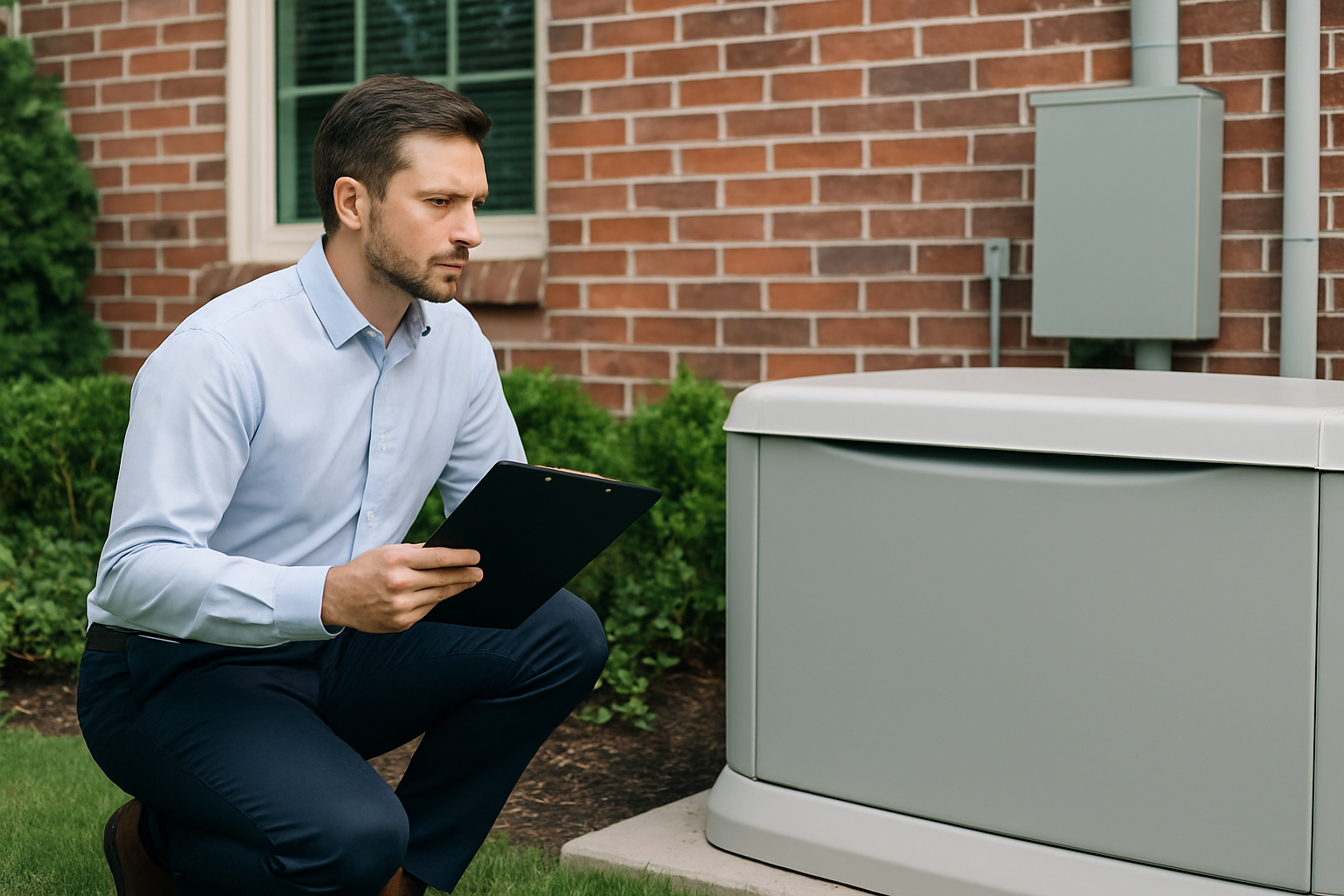
Understanding Standby Power: The Basics
Standby power systems provide automatic electricity backup during a power outage. These systems, often referred to as standby generators, kick in as soon as they detect an outage, ensuring that your home remains powered without any interruption. While this concept is straightforward, it's crucial for homeowners to grasp the basics before making an installation decision.
Standby generators are permanently installed outside your home, similar to an air conditioning unit. They run on natural gas or liquid propane, and once installed, they connect directly to your home's electrical panel. Thus, you can keep critical appliances and systems like your refrigerator, heating, and lighting running seamlessly during a power cut.
Key Considerations for Homeowners
Power Needs and Size
One of the primary decisions when installing standby power is determining the right size and capacity. Homeowners should assess their power needs by considering the appliances and systems they want to operate during an outage. Do you want to power the entire home or just essential circuits?
- Essential Circuits: These may include lighting, refrigerators, and medical equipment. For these needs, a smaller generator may suffice, typically between 7kW to 15kW.
- Whole-House Coverage: If you opt to power your entire home, including HVAC systems and water heaters, you'll likely need a larger capacity, from 20kW to 48kW or more.
Consulting with a professional can provide a detailed load analysis to help you make the optimal choice that fits your specific needs.
Fuel Source Consideration
Standby generators commonly utilize either natural gas or propane as fuel. The choice of fuel might affect the installation process, cost, and convenience over time.
- Natural Gas: This is a popular option due to the continuous supply through utility lines, negating the need for refueling.
- Propane: Requires onsite storage tanks, which can be beneficial in areas where natural gas is not available but may involve regular refills.
Your choice might depend on what is readily available or cost-effective in your region. According to recent energy reports, the average US household spends approximately $1,200 annually on natural gas if widely available (EIA, 2026).
Installation Process and Permits
Installing a standby generator is an intricate process that needs proper planning and permits. Here are the necessary steps:
- Local Codes and Permits: Check with local authorities regarding zoning laws and necessary permits. In 2026, many municipalities have updated regulations for environmental and safety standards, found on NFPA.
- Site Preparation: The site must be prepared and tailored to meet installation requirements, such as stable ground away from windows and doors for safety reasons.
- Professional Installation: Engage certified electricians and plumbers for electrical hookup and gas line connections to ensure compliance with safety standards.
Financial Considerations
Cost Breakdown
Installing a standby power system is a significant investment. Understanding the cost components helps homeowners budget effectively:
- Generator Costs: Prices vary widely based on capacity, ranging from $3,000 to $15,000 or more.
- Installation Costs: Professional installation costs range from $1,500 to $5,000, depending largely on generator size and complexity of the installation.
- Operating Costs: These include fuel consumption estimated at $3-$5 per hour during operation, maintenance, and potential repairs.
Financing options or incentives might be available in some states, offering relief on upfront costs.
Return on Investment
While the immediate cost might seem high, standby generators can provide substantial returns over time by preventing losses from power outages. A U.S. Department of Energy report states that a single prolonged outage can cost over $2,500 in spoiled goods, hotel stays, and missed work (DOE 2026).
Long-Term Maintenance and Support
Maintenance Requirements
Just like any other major system, standby power units require regular maintenance to ensure optimal performance. Recommended practices include:
- Monthly system checks and battery assessment.
- Annual professional inspection including oil changes and air filter replacements.
- Software updates for models with digital control panels.
Support and Warranty
Many manufacturers offer robust warranties and support plans, often ranging from five to ten years. Selecting a model with a comprehensive warranty can safeguard against unexpected repair costs.
Before finalizing your purchase, review the terms of service for the maintenance support offered by the manufacturer or service provider. This ensures continuous support and minimizes downtime during power failures.
Choosing the Right Provider
Lastly, selecting a trustworthy vendor or provider is paramount. Look for companies with a strong reputation, customer reviews, and accreditations from recognized industry bodies. A reliable provider will offer ongoing customer support and quick response times in emergencies, which is crucial for maintaining peace of mind.
Final Thoughts
Investing in a standby generator can transform your home's resilience against power outages. By understanding the considerations outlined above and planning wisely, you can make an informed decision that bolsters your home's reliability and security. With the right setup, you’ll have the assurance of continuous power, protecting your home and lifestyle no matter what.