Essential Insights into Mold Inspection and Moisture Monitoring for Homeowners
Mold inspection and home moisture monitoring are crucial for maintaining a healthy living environment. Homeowners should understand the connection between moisture and mold, and how regular monitoring can prevent potential problems.
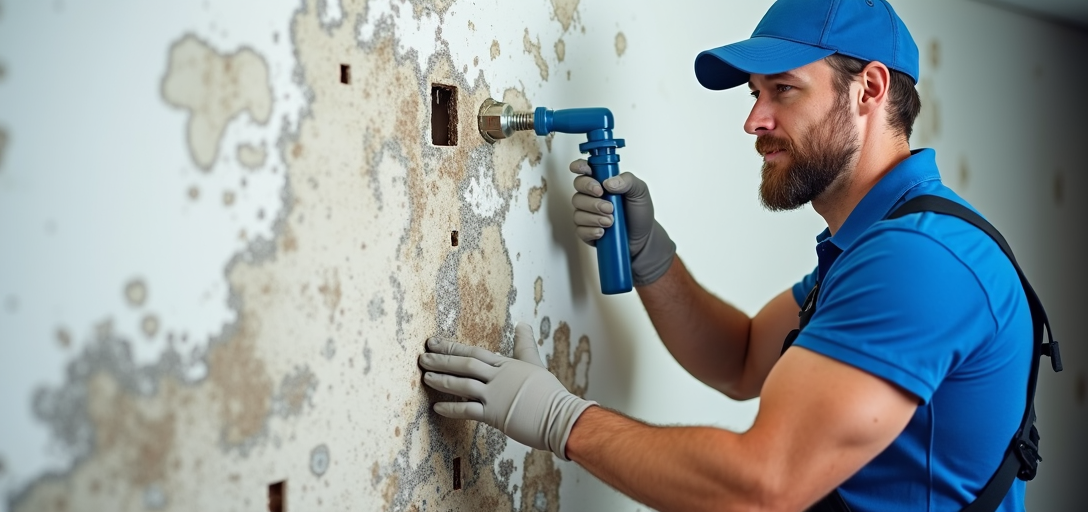
Understanding Mold Inspection and Home Moisture Monitoring
As a homeowner in the US, you're likely aware that maintaining a safe and healthy living environment involves more than just cleaning and regular maintenance. An often-overlooked aspect of home care is ensuring that your home is free from mold and moisture issues. These problems can not only cause damage to the structure of your home but also pose significant health risks to you and your family.
What is Mold and Why is it Concerning?
Mold is a type of fungus that grows in damp or decaying organic matter. It can manifest in various colors, including black, white, green, or brown, and often produces a musty odor. While mold plays a crucial role in nature by breaking down dead organic material, indoors, it can be unsightly and unhealthy.
Exposure to mold can contribute to health problems such as allergies, respiratory issues, and in severe cases, infections. This is particularly concerning for individuals with asthma or compromised immune systems. According to the Centers for Disease Control and Prevention (CDC), prolonged exposure to mold can exacerbate pre-existing health conditions, especially in young children and the elderly.
Key Indicators of Mold Presence in Your Home
- Visible mold growth on walls, ceilings, or floors
- A musty or earthy smell in certain areas of your home
- Water stains or discoloration on walls and ceilings
- Persistent condensation on windows
- Warping or peeling of wallpaper or paint
Conducting a Mold Inspection
When and Why to Consider a Professional Mold Inspection
While small patches of mold can often be dealt with using home cleaning methods, recurring mold issues or large areas of growth may require professional intervention. Consider a professional mold inspection if:
- You suspect mold growth in areas not easily accessible, such as behind walls or under floors.
- You've recently experienced a water event like flooding or a major leak.
- You're purchasing a new home and want to assess mold risks as part of your home inspection.
Professional mold inspectors use specialized equipment and testing methods to not only identify visible mold but also assess the extent of its spread and identify hidden colonies. The Environmental Protection Agency (EPA) suggests that if mold covers more than 10 square feet or you suspect hidden mold, hiring a professional is wise [source].
Home Moisture Monitoring: Preventive Steps
Why Monitor Moisture Levels?
Controlling moisture levels in your home is the first line of defense against mold. Moisture can infiltrate your home through various means - leaks, high humidity, condensation from poor insulation, or inadequate ventilation. Monitoring tools can help you stay proactive by identifying areas of concern before they escalate into larger problems.
Tools and Techniques for Monitoring
Here are some common tools and techniques homeowners can use to monitor moisture levels:
- Hygrometers: These devices measure the relative humidity in the air. Keeping indoor humidity levels below 60% can inhibit mold growth (ASHRAE recommends 30-50% as ideal).
- Moisture Meters: These are used to detect moisture content in building materials like wood, drywall, and concrete.
- Dehumidifiers: These can be used to reduce humidity levels in particularly damp areas like basements or crawl spaces.
Steps to Take If Mold Is Detected
DIY Cleaning vs. Professional Remediation
If you detect mold in your home, the approach you take will depend on the severity and location. Small, isolated patches of mold can often be cleaned with household products like detergent and water or a vinegar solution.
For larger areas, or if the mold returns after cleaning, professional remediation may be necessary. Licensed mold remediation specialists use protective equipment and advanced techniques to safely remove mold and prevent recurrence.
Preventing Future Mold Growth
Avoiding mold regrowth involves a combination of improved home maintenance practices and lifestyle adjustments. Here are some preventive measures:
- Fix leaks in roofs, walls, and plumbing promptly.
- Ensure proper ventilation, especially in kitchens, bathrooms, and laundry areas.
- Use air conditioners and dehumidifiers to maintain optimal indoor humidity levels.
- Clean and repair gutters regularly to prevent water accumulation.
Legal and Health Considerations
In the US, mold-related litigation and health implications have led to increased attention and regulation. Landlords, sellers, and builders may be held liable for failing to address mold issues if they result in significant health impacts or property damage.
As a homeowner, understanding your rights and responsibilities can help mitigate risks. The Federal Emergency Management Agency (FEMA) provides guidelines for mold prevention and response after flooding or hurricanes, which can be valuable resources [source].
Conclusion
Ensuring the safety and structural integrity of your home requires vigilance against mold and moisture problems. By understanding potential risks, utilizing proper monitoring techniques, and employing timely interventions, you can protect your home and enhance the well-being of its inhabitants. Remember, prevention and early detection are key to managing these persistent challenges effectively.